
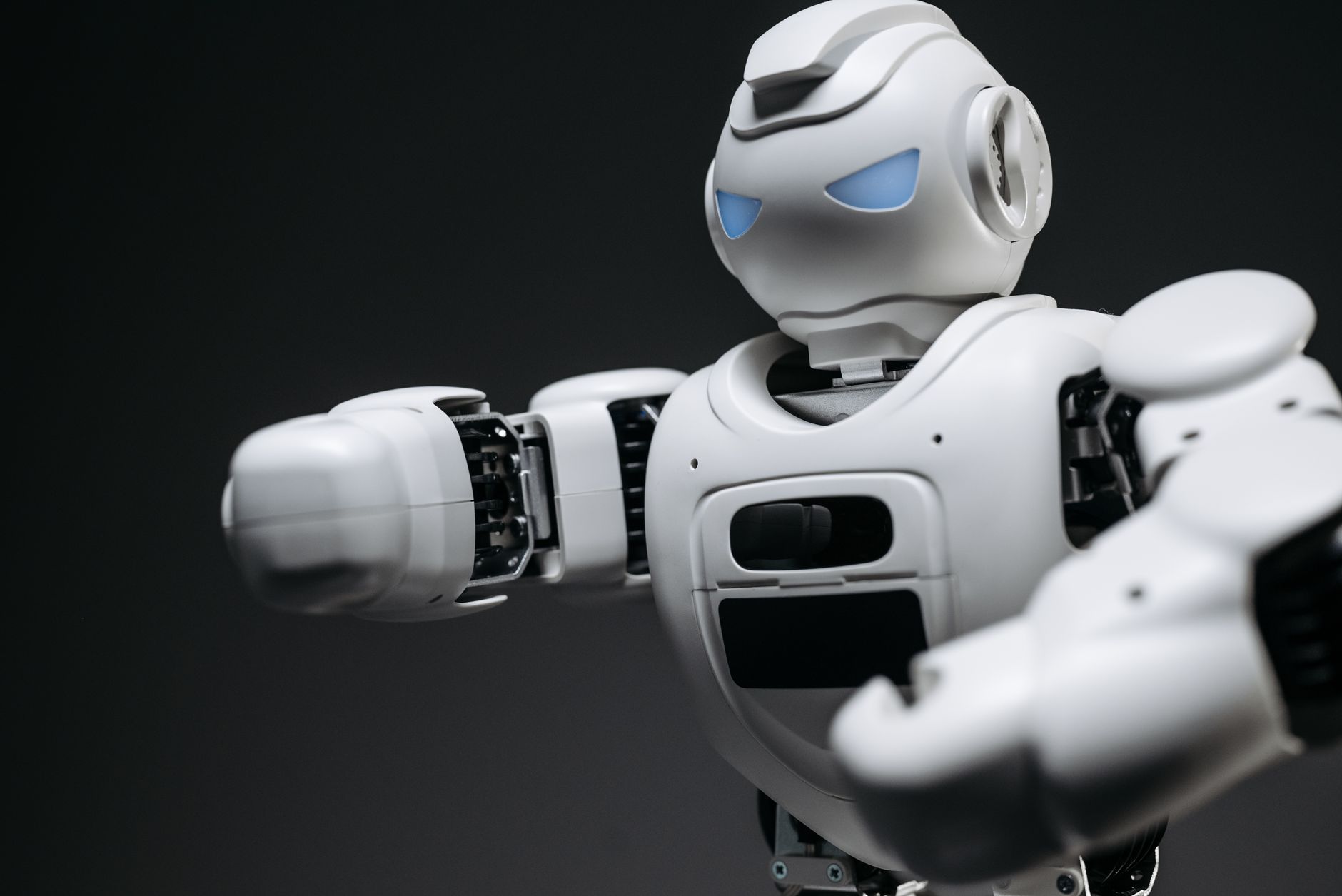
OpenAI is expanding its hardware ambitions beyond consumer devices and foundational AI models to develop a humanoid robot. Speaking on a recent podcast appearance, CEO Sam Altman confirmed that the company is actively pursuing the project because human environments demand a familiar form factor. Since infrastructure, doors, tools, and keyboards are built specifically for people, a machine designed to operate in human spaces logically requires a similar physical structure.
Despite confirming the project, Altman stressed that designing the actual hardware is secondary to a much more difficult hurdle: building the cognitive architecture that controls it. Giving a machine limbs is straightforward compared to programming a system that can interpret sensor data, understand complex instructions, navigate physical friction, and execute real-time physical corrections. OpenAI is currently recruiting engineering talent across motion control, state estimation, and actuator design to tackle these specific obstacles.
While the company has not yet revealed a finalized design, commercial pricing, or a strict release schedule, internal expectations point toward a functional demonstration by 2027. Near-term applications aim to deploy general-purpose robots capable of assisting skilled workers with infrastructure projects, while long-term ambitions look toward versatile personal household assistants. However, widespread commercial adoption outside of controlled environments remains years away as researchers continue bridging the gap between digital machine learning models and messy physical reality.




Comments