
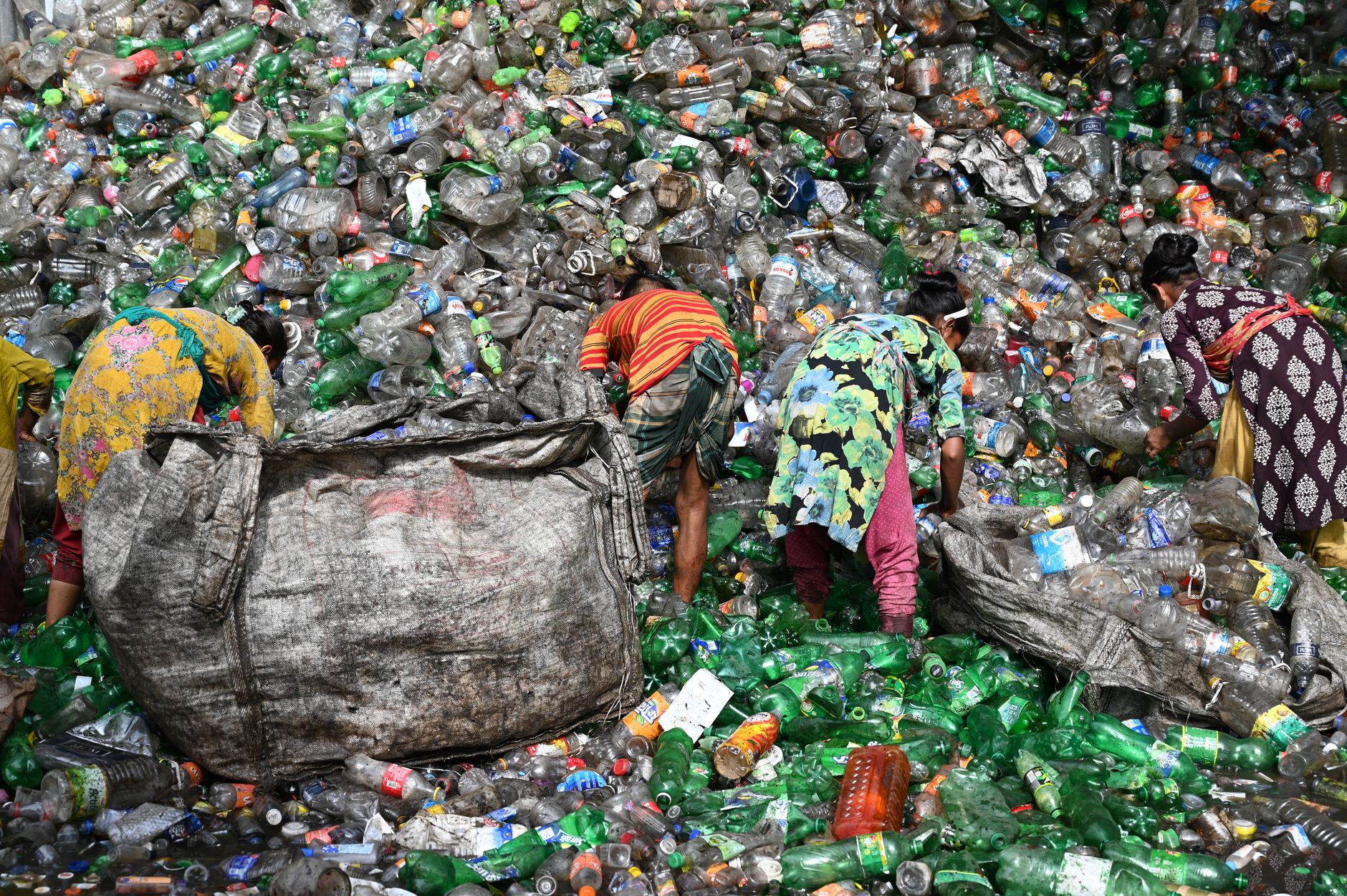
Industrial manufacturing is undergoing a quiet shift as regulations and consumer expectations force a hard look at sustainable materials. Post-consumer recycled plastics often struggle to match the aesthetic appeal and mechanical durability of virgin polymers. Enter surface enhancement technologies, a specialized sector seeing significant capital investment and research focus aimed at bridging this performance gap.
Recent data from market intelligence firm IndexBox outlines steady upward momentum for surface treatment solutions designed specifically for PCR plastics. These applications range from advanced plasma treatments and chemical coatings to laser texturing that improves paint adhesion, scratch resistance, and overall finish. Manufacturers across the automotive, packaging, and consumer electronics sectors are racing to adopt these methods to meet strict environmental mandates without sacrificing product quality.
Observers note that the primary hurdle remains cost-scaling. While high-end brands can absorb the integration expenses of advanced finishing lines, smaller suppliers face steep barriers to entry. Even so, equipment makers are responding with modular retrofit options designed to fit existing extrusion and molding setups. As supply chains tighten and recycling streams become more reliable, upgrading recycled plastic surfaces is set to shift from a niche advantage to a baseline industry requirement.




Comments