
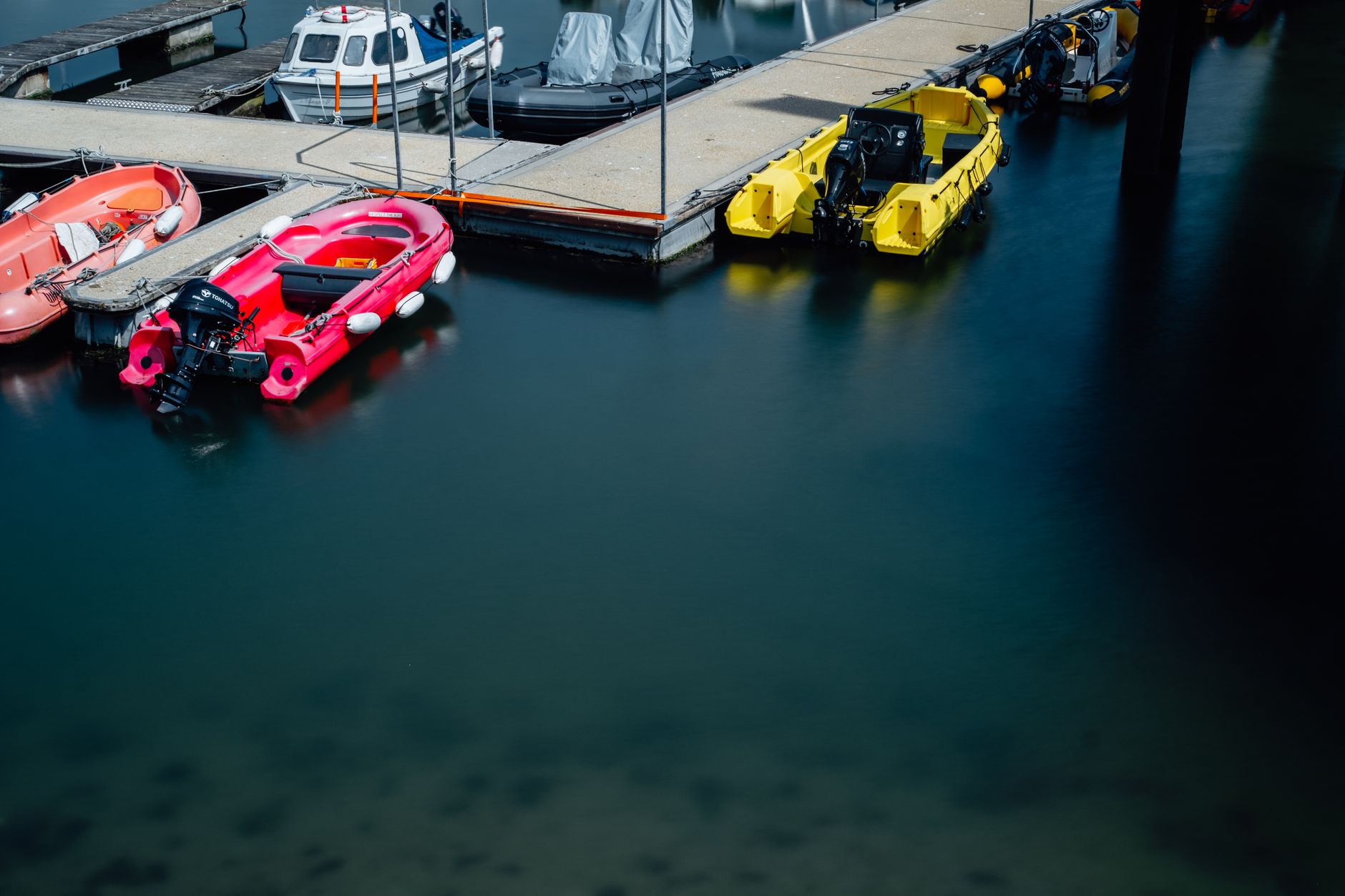
HD Hyundai recently executed a live demonstration of its advanced autonomous navigation systems on American waters, showing how uncrewed surface vehicles can handle complex maritime traffic without human intervention. The maritime conglomerate deployed the technology to highlight its readiness for commercial deployment in global shipping lanes and defense sectors alike. Observers on site watched as the vessel maneuvered autonomously through congested marine environments, relying on sensor fusion, artificial intelligence, and real-time obstacle avoidance algorithms.
The demonstration represents a calculated push into the North American market, where demand for autonomous logistics and remote vessel monitoring continues to climb. Traditional shipping companies face mounting pressures from labor shortages, stringent environmental regulations, and rising operational costs. By introducing self-piloting vessels, shipbuilders aim to minimize human error at sea, which currently accounts for the vast majority of maritime accidents and cargo losses.
Beyond commercial shipping, the underlying technology holds significant implications for naval defense and offshore energy infrastructure management. Autonomous surface craft can perform hazardous inspection tasks, harbor patrols, and hydrographic surveys without risking crew safety. Regulatory hurdles still remain before these vessels can operate freely in international waters without oversight, but technical milestones like this recent U.S. demonstration prove the hardware and software are largely ready.
Industry stakeholders will be watching closely as HD Hyundai scales these trials toward full commercialization. As maritime autonomy transitions from experimental testing to operational reality, shipyards investing early in robust sensor suites and reliable edge computing are positioning themselves to capture a massive share of the future shipping market.
HD Hyundai Brings Autonomous Maritime Tech to US Waters



Comments