
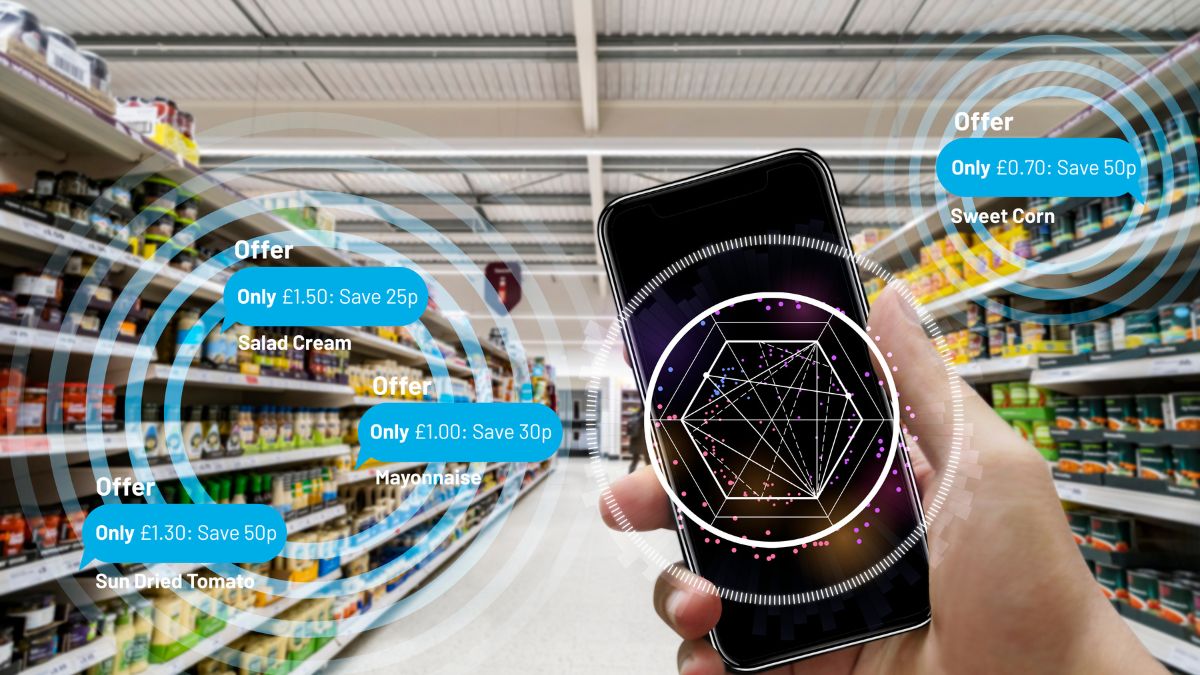
The retail industry is rapidly embracing machine learning technologies to create more personalized shopping experiences and strengthen customer relationships. As consumer expectations continue to evolve, retailers are leveraging advanced data analytics and artificial intelligence to better understand customer preferences, predict purchasing behavior, and deliver highly customized product recommendations. This transformation is helping businesses improve customer satisfaction while driving revenue growth and operational efficiency.
Machine learning enables retailers to analyze vast amounts of customer data, including browsing history, purchase patterns, product preferences, and engagement behavior. By identifying trends and patterns within this data, AI-powered systems can generate personalized recommendations tailored to each shopper's interests. These intelligent recommendations help customers discover relevant products more quickly, improving the overall shopping experience and increasing conversion rates.
One of the most visible applications of machine learning in retail is personalized product recommendation engines. E-commerce platforms use AI algorithms to suggest products based on previous purchases, search history, and customer behavior. These recommendation systems have become a critical tool for online retailers, helping increase customer engagement and encouraging repeat purchases.
Machine learning is also improving inventory management and demand forecasting. Retailers can use predictive analytics to anticipate customer demand, optimize stock levels, and reduce inventory shortages or overstock situations. By accurately forecasting purchasing trends, businesses can improve supply chain efficiency and ensure products are available when customers need them.
Customer service is another area benefiting from machine learning adoption. AI-powered chatbots and virtual shopping assistants can provide instant support, answer product-related questions, and guide customers through the purchasing process. These intelligent systems help retailers offer faster and more responsive customer service while reducing operational costs.
Retailers are increasingly using machine learning to enhance pricing strategies as well. Dynamic pricing systems analyze market trends, competitor pricing, customer demand, and purchasing behavior to recommend optimal pricing decisions. This allows businesses to remain competitive while maximizing profitability and customer value.
The rise of omnichannel retailing has further accelerated machine learning adoption. Modern consumers interact with brands across websites, mobile applications, social media platforms, and physical stores. Machine learning helps retailers unify customer data across multiple channels, creating a seamless and consistent shopping experience regardless of where customers engage with the brand.
In physical retail environments, machine learning is supporting innovations such as smart shelves, automated checkout systems, and customer behavior analytics. These technologies help retailers improve store operations, reduce wait times, and gain deeper insights into consumer preferences and shopping patterns.
Despite its benefits, the use of machine learning in retail also requires careful attention to privacy, data security, and responsible AI practices. Retailers must ensure that customer information is handled securely and transparently while maintaining trust and regulatory compliance.
Industry experts believe machine learning will continue to play a central role in the future of retail. As AI technologies become more sophisticated, retailers will gain even greater capabilities to personalize customer experiences, optimize operations, and respond to changing consumer demands in real time.
The growing adoption of machine learning demonstrates how technology is reshaping the retail landscape. By combining data-driven insights with intelligent automation, retailers can create more engaging, efficient, and personalized shopping experiences that meet the expectations of today's digital consumers.





Comments