
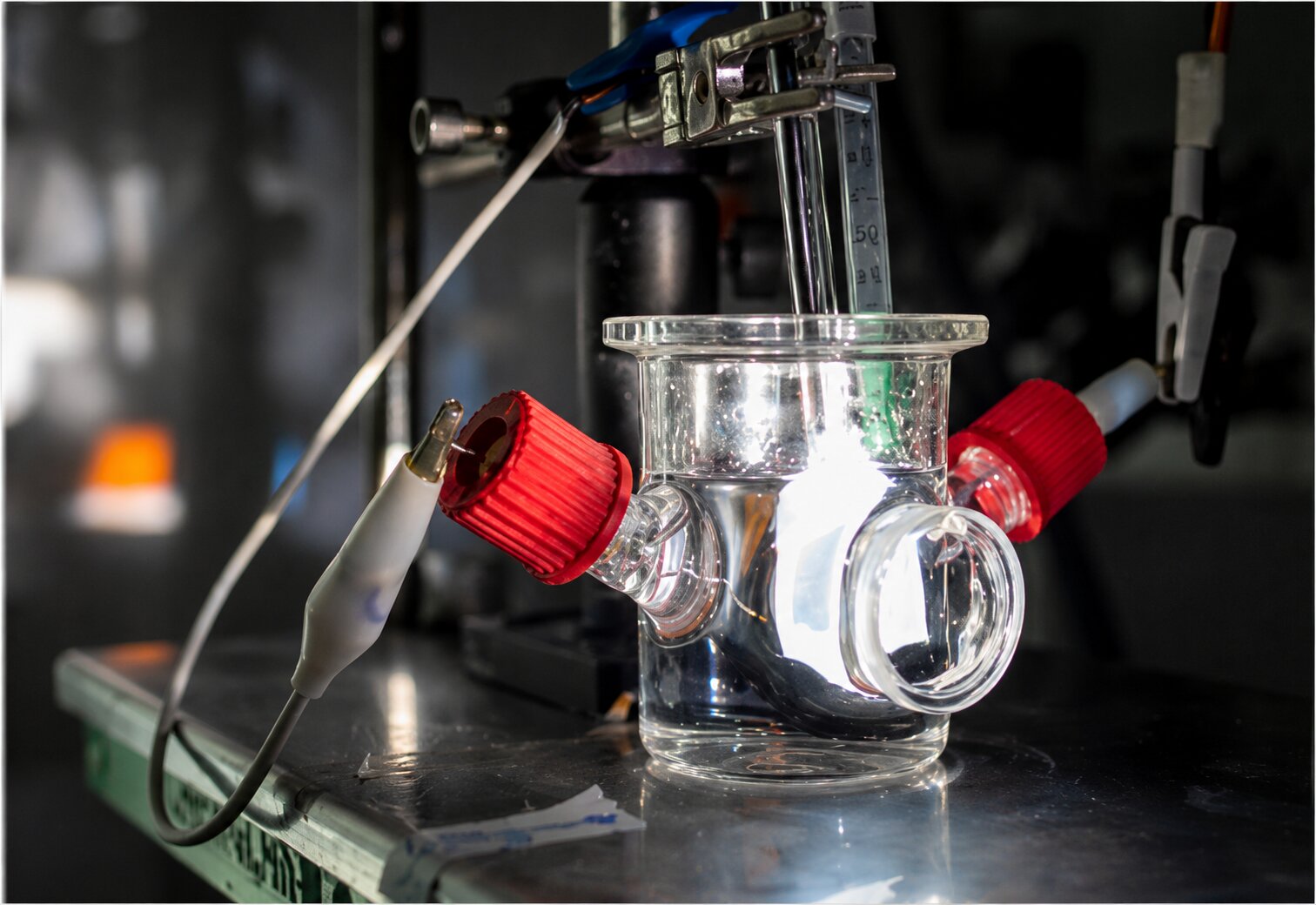
Scientists have achieved a significant breakthrough in renewable energy research by developing a battery-free artificial photosynthesis system capable of converting sunlight, water, and carbon dioxide into usable fuel. The innovation mimics the natural process used by plants to convert sunlight into energy while eliminating the need for batteries or external electrical power.
Artificial photosynthesis has long been considered one of the most promising technologies for sustainable fuel production because it offers a way to generate clean energy directly from abundant natural resources. However, many existing systems require additional power sources or complex energy storage mechanisms, limiting their efficiency and scalability.
The newly developed system addresses these challenges by operating entirely through sunlight-driven reactions. Researchers designed the technology to capture solar energy and use it to trigger chemical processes that convert carbon dioxide and water into energy-rich compounds that can be stored and used as fuel.
One of the most important advantages of the innovation is its self-sustaining design. By removing the need for batteries, the system reduces costs, simplifies infrastructure requirements, and improves long-term reliability. This makes the technology particularly attractive for large-scale clean energy production and remote applications where conventional energy storage systems may be difficult to deploy.
The research team believes the breakthrough could contribute significantly to global efforts aimed at reducing greenhouse gas emissions. Since the process utilizes carbon dioxide as a raw material, it has the potential to support carbon recycling while producing renewable fuels that can replace fossil fuel-based energy sources.
Artificial photosynthesis is often viewed as a key component of future carbon-neutral energy systems. Unlike solar panels that generate electricity directly, artificial photosynthesis creates chemical fuels that can be stored, transported, and used when needed. This capability addresses one of the major challenges associated with renewable energy—long-term energy storage.
The technology could eventually support the production of sustainable fuels for transportation, industrial operations, and power generation. Researchers are continuing to improve the efficiency of the system while exploring opportunities for commercial deployment and large-scale implementation.
The breakthrough demonstrates how advances in materials science, chemistry, and renewable energy engineering are creating new pathways toward sustainable energy production. As nations worldwide accelerate efforts to achieve climate goals, innovations such as battery-free artificial photosynthesis may play a critical role in building a cleaner and more resilient energy future.
With continued research and investment, artificial photosynthesis could become an important tool in the global transition toward renewable energy and carbon-neutral fuel technologies.





Comments