
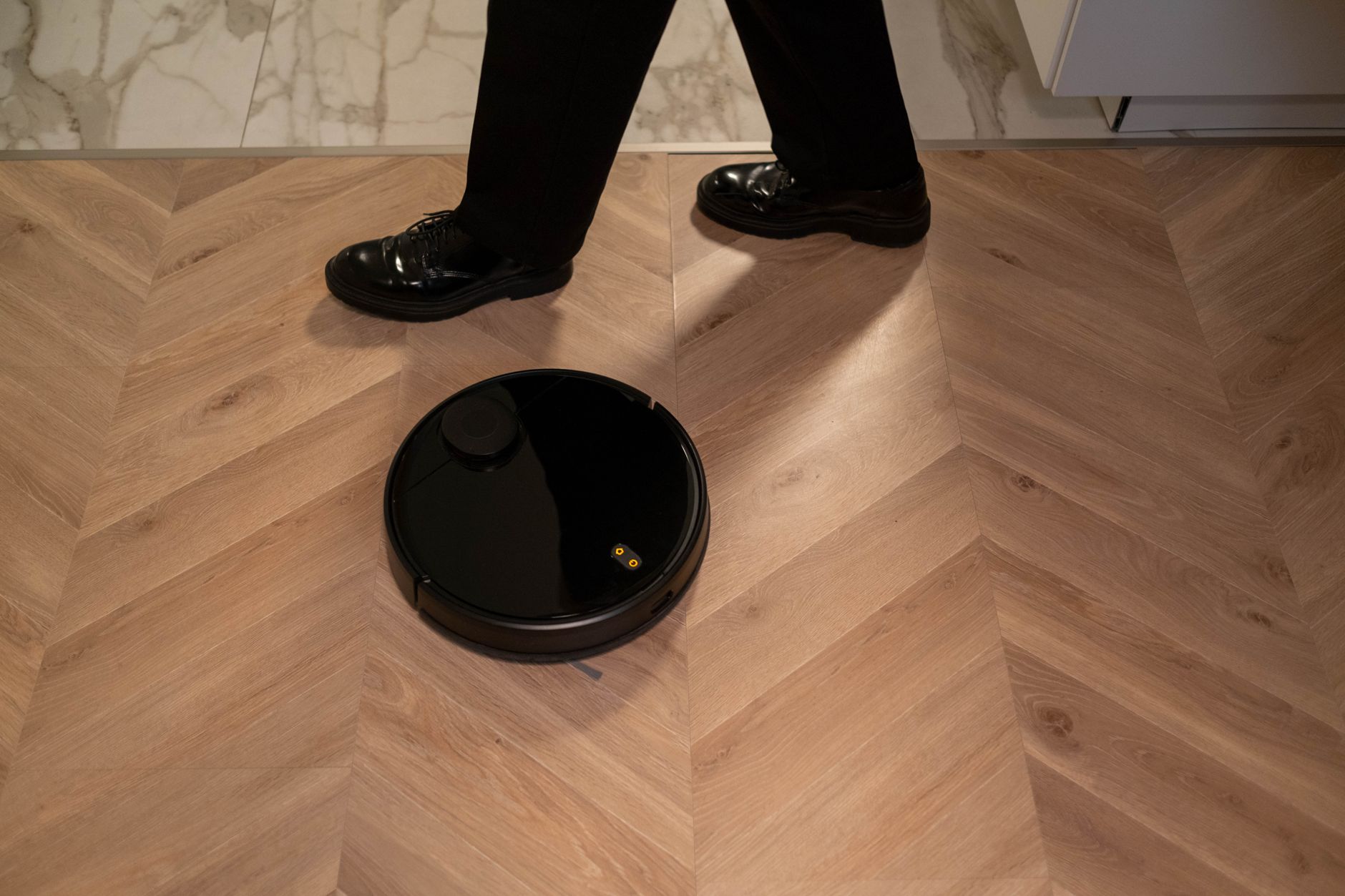
Depending on the specific model, modern robot vacuum cleaners do far more than clear dust from hardwood and carpet. They generate detailed floor maps, record cleaning histories, and in some advanced units, utilize microphones or remote video feeds to navigate living spaces. These capabilities transform the low-riding appliances into mobile observation units equipped with 360-degree mobility, introducing complex questions about household privacy and data handling.
Cloud connectivity compounds these risks by transmitting information directly through manufacturer servers. While features like remote progress tracking offer undeniable convenience, they also require constant data streams. Manufacturers frequently collect room names, floor types, detected household objects, movement patterns, and Wi-Fi network details. Recent security flaws have further highlighted these vulnerabilities, such as a backend permission issue that briefly allowed a user to access thousands of connected vacuum cleaners globally before the manufacturer deployed patches.
Selecting a privacy-friendly device requires looking closely at how and where data is processed. Consumers should prioritize models that feature local-first processing, where floor maps and navigation data remain on the physical device rather than streaming constantly to external cloud servers. Reviewing dense privacy policies and disabling unnecessary remote viewing features remain essential steps for safeguarding personal data against both corporate collection and potential security breaches.



Comments