
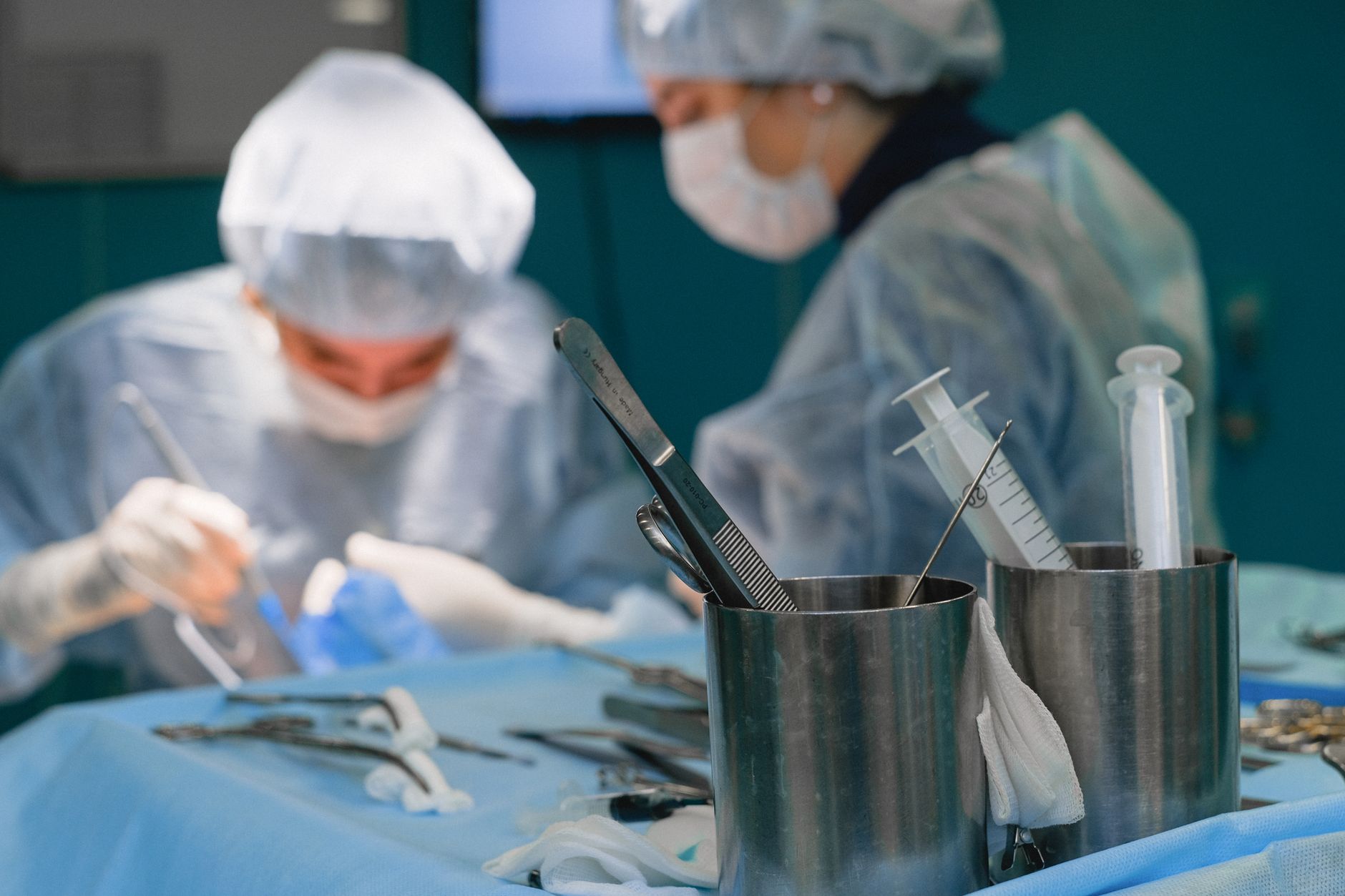
Surgical procedures have relied on needles and thread for thousands of years, but a team of engineers at MIT is finally dragging wound closure into the modern era. Tissium and similar bio-inspired medical technology startups are altering how surgeons approach tissue repair, though the newest entrant from Cambridge brings a startlingly simple physical mechanism to the operating room. Instead of weaving thread through delicate, recovering tissue, clinicians can now apply a specialized adhesive patch that functions with the straightforward mechanics of a pressure-sensitive sticky note.
Traditional sutures create localized tension points, occasionally leading to tissue tearing, fluid leaks, and extended recovery windows. The newly developed patch distributes mechanical stress evenly across the wound site. When applied to wet biological surfaces—a notoriously difficult engineering hurdle due to blood and bodily fluids—the material displaces moisture instantly and forms a robust, flexible bond. This approach significantly reduces operation duration and minimizes the risk of post-surgical scarring or secondary infections caused by foreign needle tracts.
Commercialization efforts are already underway, with the startup aiming for clinical trials and regulatory clearance in key global markets. If adopted widely by trauma surgeons and pediatric specialists, this technology could fundamentally alter emergency medicine. Patients undergoing routine procedures or major resections may soon wake up with nothing more than a biological sticker holding their internal tissues together while natural healing takes place beneath the surface.




Comments