
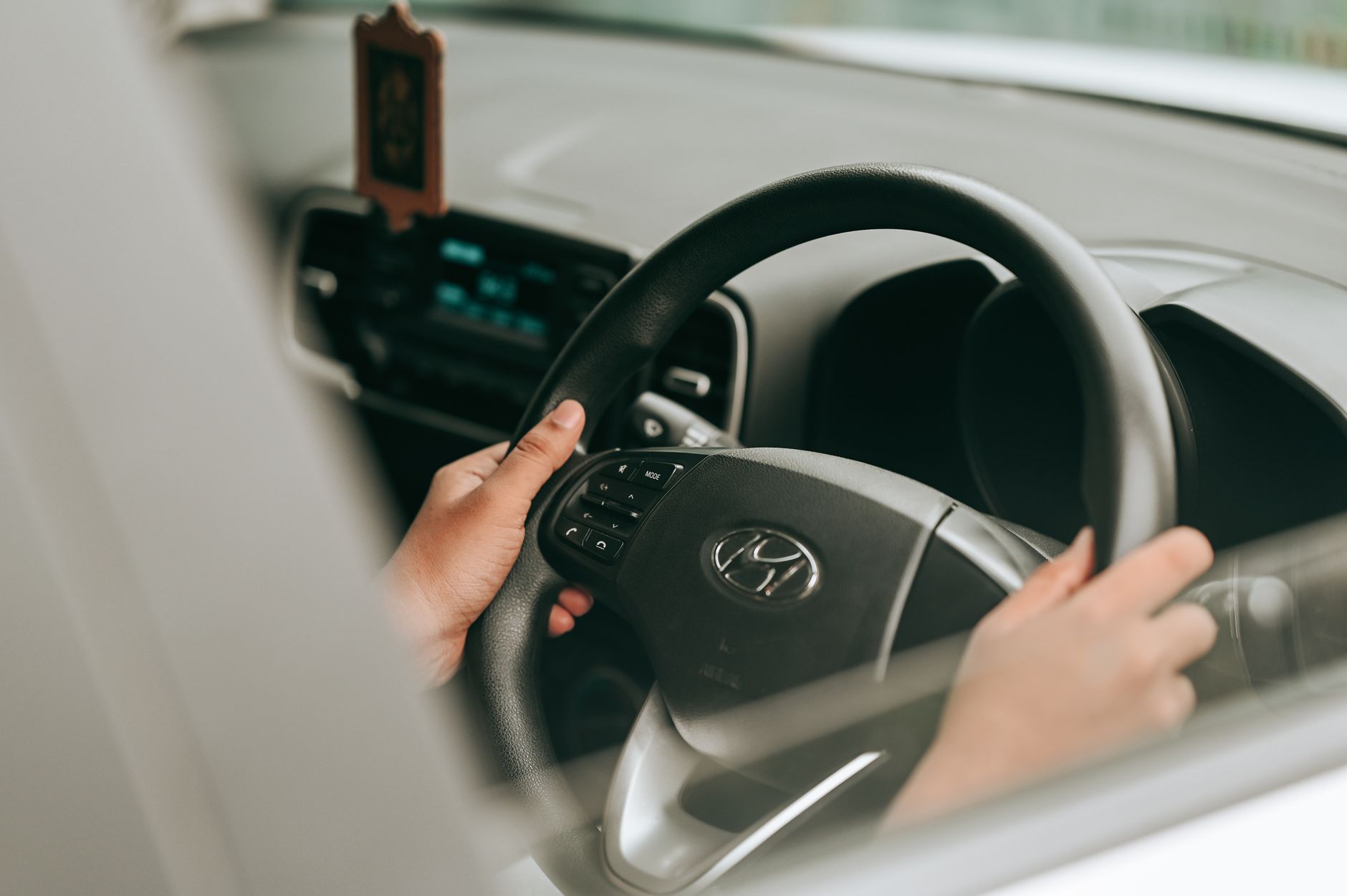
Automakers spent the last decade turning vehicle cabins into rolling smartphones. Giant glass panels replaced physical dials, voice assistants took over climate controls, and endless driver-assist chimes turned daily commutes into a sensory obstacle course. For many drivers, the relentless push toward digital integration has stripped away the tactile pleasure that once defined the open road.
The shift began as a branding exercise. Silicon Valley giants proved that sleek interfaces commanded premium prices, prompting traditional car manufacturers to outsource their interior design philosophies to software engineers. Physical volume knobs disappeared into nested submenu layers. Climate control sliders vanished behind capacitive touch strips that demand a driver's eyes leave the road for perilous seconds.
Safety regulations and consumer demand for autonomous features have only accelerated this digital bloat. Yet, the irony remains sharp. Systems designed to prevent accidents often create new layers of cognitive distraction, while alienating motorists who simply want a mechanical connection to their vehicle.
As the backlash grows, a handful of boutique manufacturers and aftermarket restorers are finding unexpected demand for analog simplicity. Until major car brands heed the frustration of drivers drowning in software, the true joy of driving will remain hidden behind another paywalled digital menu.
Why Modern Car Dashboards Are Stealing the Joy of Driving





Comments