
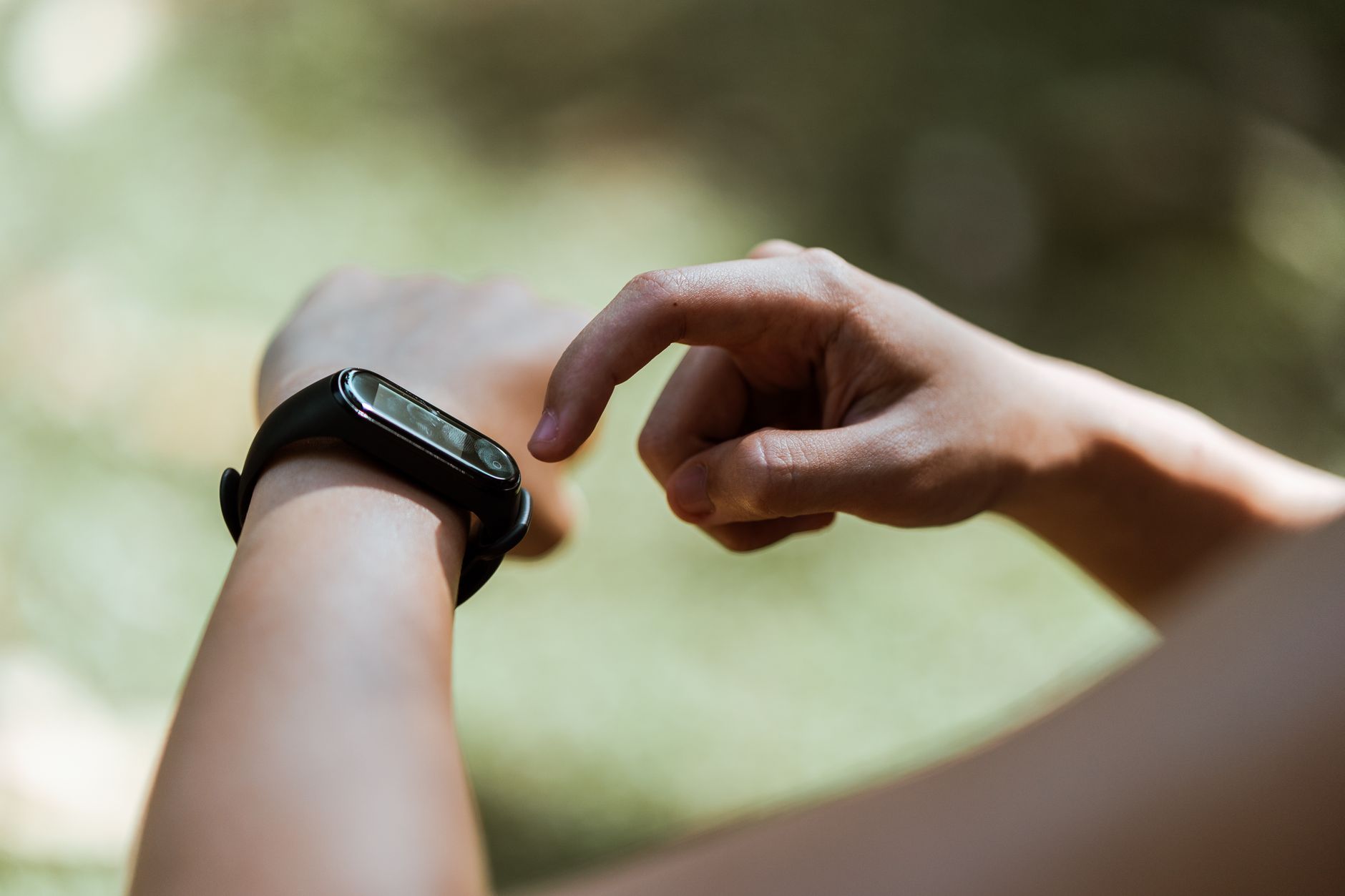
Google has officially expanded its wearable ecosystem with the introduction of the Fitbit Edge, a mid-tier fitness tracker designed to sit comfortably between basic bands and full-fledged smartwatches. Priced at $180, the Edge enters the market as a more advanced and premium alternative to the popular $99.95 Fitbit Inspire 3. While both devices cater to health and fitness enthusiasts, a close look at their hardware, connectivity, and sensor suites reveals stark differences in capability and design.
In terms of design and build quality, the Fitbit Edge sets itself apart with a 100 percent recycled aluminum case and a tactile physical side button, available in four stock colors alongside a special Steph Curry edition. The Inspire 3 relies on a more athletic, rectangular plastic chassis and offers three basic color choices. Both wearables utilize bright AMOLED screens, though the Edge features a display that is 6.9mm wider while maintaining a footprint very similar to its cheaper counterpart.
Under the hood, the Edge introduces significant upgrades aimed at reducing smartphone dependency. It includes a built-in GPS for a 40 percent increase in location tracking accuracy, allowing users to leave their phones behind during outdoor runs. Bluetooth 5.4 support also enables direct pairing with wireless headphones. Fitness tracking capabilities have expanded heavily on the new model as well, offering automated detection for 100 different movement activities, over 50 exercise modes, and advanced metrics like cardio load, floors climbed, and targeted heart rate monitoring.
Health tracking on the Edge also dives deeper, incorporating an ECG app for irregular heartbeat detection, a skin temperature sensor, a gyroscope, an altimeter, and insights into blood pressure and insulin resistance. The Inspire 3 sticks to fundamental sensors like an optical heart rate monitor and a blood oxygen tracker. Despite the heavy influx of advanced hardware and a larger screen, the Edge retains a respectable battery life of up to a week on a single charge, trailing only slightly behind the Inspire 3's ten-day battery endurance. Both trackers share a 5 ATM water-resistance rating, while the Edge adds an IP68 dust-resistance rating to its durability profile.





Comments