
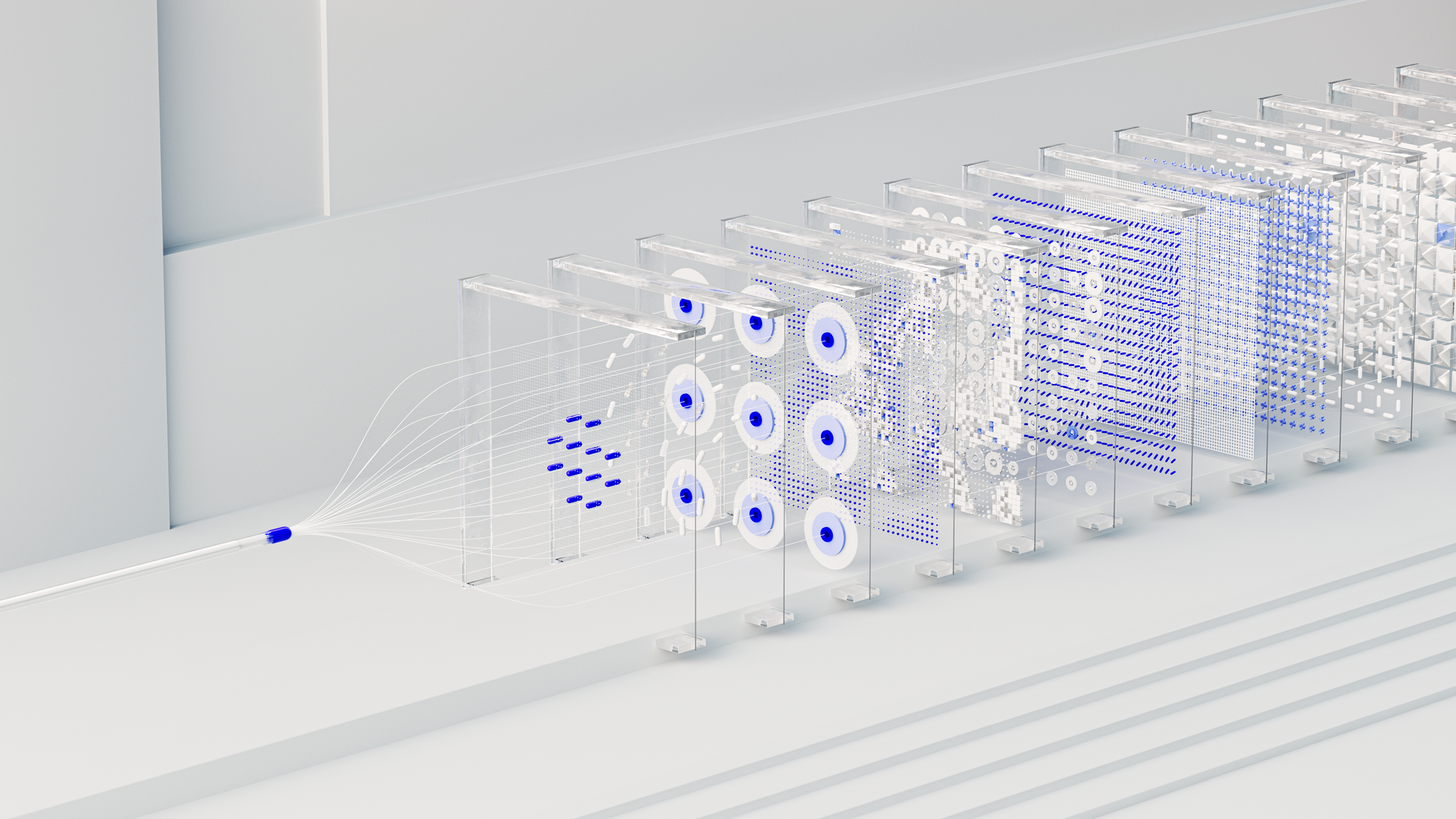
For years, deep learning has operated under a frustrating paradox. The very complexity that makes modern artificial intelligence so powerful also renders its internal reasoning completely invisible to human observers. Neural networks function as notoriously opaque black boxes, accepting inputs and spitting out predictions without offering any verifiable rationale for their outputs. That dynamic is finally shifting. Researchers across academic labs and enterprise R&departments are beginning to crack open these computational architectures, developing mechanistic interpretability tools that map out individual neural pathways with surprising clarity.
The push for algorithmic transparency stems from both commercial necessity and regulatory pressure. High-stakes sectors like healthcare, finance, and autonomous driving demand more than just correlation-based guesses; they require verifiable logic. Traditional post-hoc explanation methods, which merely guess at a model's motivations after the fact, are giving way to rigorous inspections of internal weights and activation states. By isolating specific circuits within large language models and vision systems, scientists can pinpoint precisely where abstract concepts, spatial reasoning, or factual knowledge are stored and processed.
Decoding these systems does more than satisfy academic curiosity; it fundamentally changes how engineers mitigate risks like hallucinations and embedded bias. When a model's internal circuitry is mapped, erratic behaviors can be intercepted at the architectural level rather than patched over with superficial guardrails. As these diagnostic frameworks mature, the boundary between human intuition and machine logic is becoming significantly less blurred, paving the way for safer, more accountable AI deployments across global industries.





Comments