
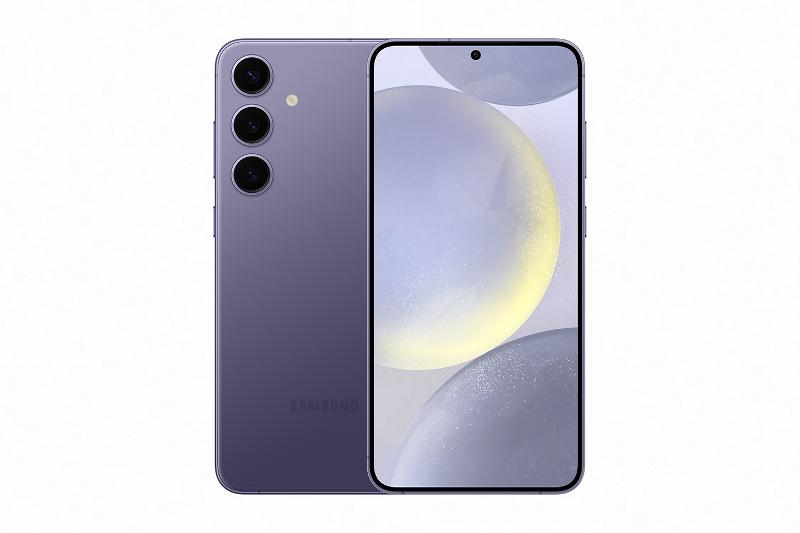
The smartphone industry is entering a new era as artificial intelligence becomes a central feature of modern mobile devices. Leading technology companies are rapidly integrating advanced AI capabilities into smartphones, transforming how users communicate, create content, manage tasks, and interact with digital services. From intelligent assistants and real-time translation to AI-powered photography and personalized experiences, smartphones are evolving into powerful AI companions.
The latest generation of smartphones is equipped with dedicated AI processors and neural engines designed specifically for machine learning workloads. These specialized chips enable devices to perform complex AI tasks directly on the device, reducing reliance on cloud computing while improving speed, privacy, and efficiency.
One of the most noticeable advancements is the rise of AI-powered personal assistants. Modern smartphones can understand natural language more accurately, provide contextual recommendations, summarize information, schedule tasks, and assist users with everyday activities. These capabilities are making mobile devices more intuitive and productive than ever before.
Photography remains one of the biggest beneficiaries of smartphone AI innovation. Advanced machine learning algorithms automatically optimize camera settings, improve image quality, enhance low-light photography, remove unwanted objects, and generate professional-quality photos with minimal user effort. AI-powered editing tools are also enabling users to create and modify content directly from their devices.
Real-time language translation is becoming a standard feature in many flagship smartphones. AI-driven translation systems can translate conversations, messages, documents, and phone calls instantly, helping users communicate across different languages and making global communication more accessible.
Generative AI is also expanding the capabilities of mobile devices. Users can now generate text, images, summaries, presentations, and creative content directly on their smartphones. These features are transforming smartphones into portable productivity and creativity tools for both personal and professional use.
Mobile productivity is receiving a significant boost through AI integration. Smart devices can automatically organize emails, summarize meetings, generate notes, prioritize notifications, and provide personalized recommendations based on user behavior. These features help users manage information more efficiently and save valuable time.
Privacy and security have become major priorities in AI smartphone development. On-device AI processing allows sensitive data to remain on the device rather than being transmitted to external servers. This approach improves privacy while delivering faster performance and reducing dependence on internet connectivity.
Battery optimization is another area where AI is making a difference. Machine learning systems can analyze usage patterns and intelligently manage background processes, helping extend battery life and improve overall device efficiency. These optimizations contribute to better user experiences without requiring larger batteries.
The rise of AI-powered smartphones is also driving innovation in mobile gaming, augmented reality, and digital content creation. Advanced AI capabilities enable smoother gameplay, more realistic virtual experiences, and intelligent content generation that was previously limited to high-performance computers.
Major smartphone manufacturers including Apple, Samsung, Google, Xiaomi, Oppo, Vivo, and others are competing to deliver the most advanced AI experiences. This competition is accelerating innovation and introducing new features that continue to redefine what smartphones can accomplish.
Industry analysts believe AI will become one of the most important factors influencing smartphone purchasing decisions in the coming years. As AI capabilities expand, consumers are expected to increasingly evaluate devices based on intelligence, automation, personalization, and productivity features rather than hardware specifications alone.
Developers are also building a growing ecosystem of AI-powered mobile applications. From health monitoring and financial planning to education and entertainment, AI-enabled apps are expanding the role of smartphones across virtually every aspect of daily life.
As artificial intelligence continues to advance, smartphones are evolving from communication devices into intelligent digital assistants capable of understanding user needs, automating tasks, and enhancing productivity. The emergence of AI-first mobile experiences marks the beginning of a new chapter in the smartphone industry.
With ongoing investments in AI hardware, software, and services, the future of smartphones is expected to become even more intelligent, personalized, and capable, fundamentally changing how people interact with technology in the years ahead.





Comments