
Google has detailed its comprehensive rollout schedule for the October release cycle, touching everything from standard smartphones and tablets to specialized form factors like Wear OS smartwatches and Android TV units. These monthly releases operate independently of major platform upgrades, allowing engineering teams to patch core operating system frameworks, security protocols, and software distribution channels directly on user devices without requiring full firmware downloads.
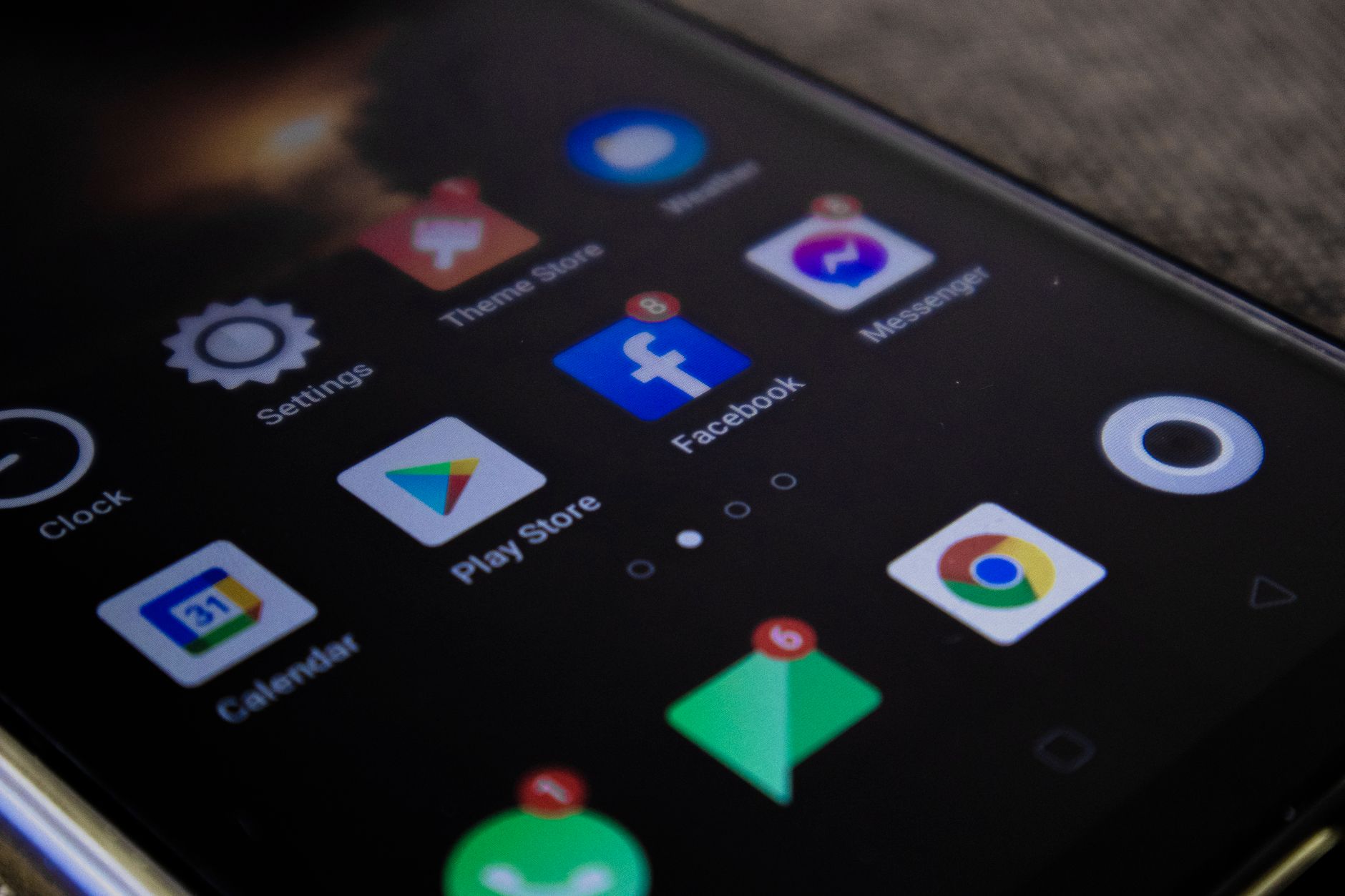
The latest patch notes highlight significant modifications to the Google Play Store interface and background optimization frameworks. Developers gain access to upgraded API touchpoints designed to streamline application delivery and subscription management. For the end user, these changes manifest as faster download speeds, improved billing reliability, and more resilient cloud synchronization across multiple ecosystem endpoints.
Wearables powered by Wear OS and automotive displays running Android Automotive also receive targeted adjustments in this cycle. Engineers have focused heavily on power management and peripheral connectivity stability, addressing persistent connection dropouts between smartwatches and host handsets. Automotive interfaces see minor responsiveness tweaks aimed at reducing latency during media playback and navigation rendering.
As the ecosystem fragments across an increasing variety of screen sizes and form factors, these modular monthly patches remain Google's primary vehicle for maintaining baseline feature parity. Users can expect the staged rollout to hit active devices over the coming weeks through automatic background mechanisms, though availability may vary depending on device manufacturer and carrier approvals.
Android October Updates Target Cross-Device Services and Play Store





Comments