
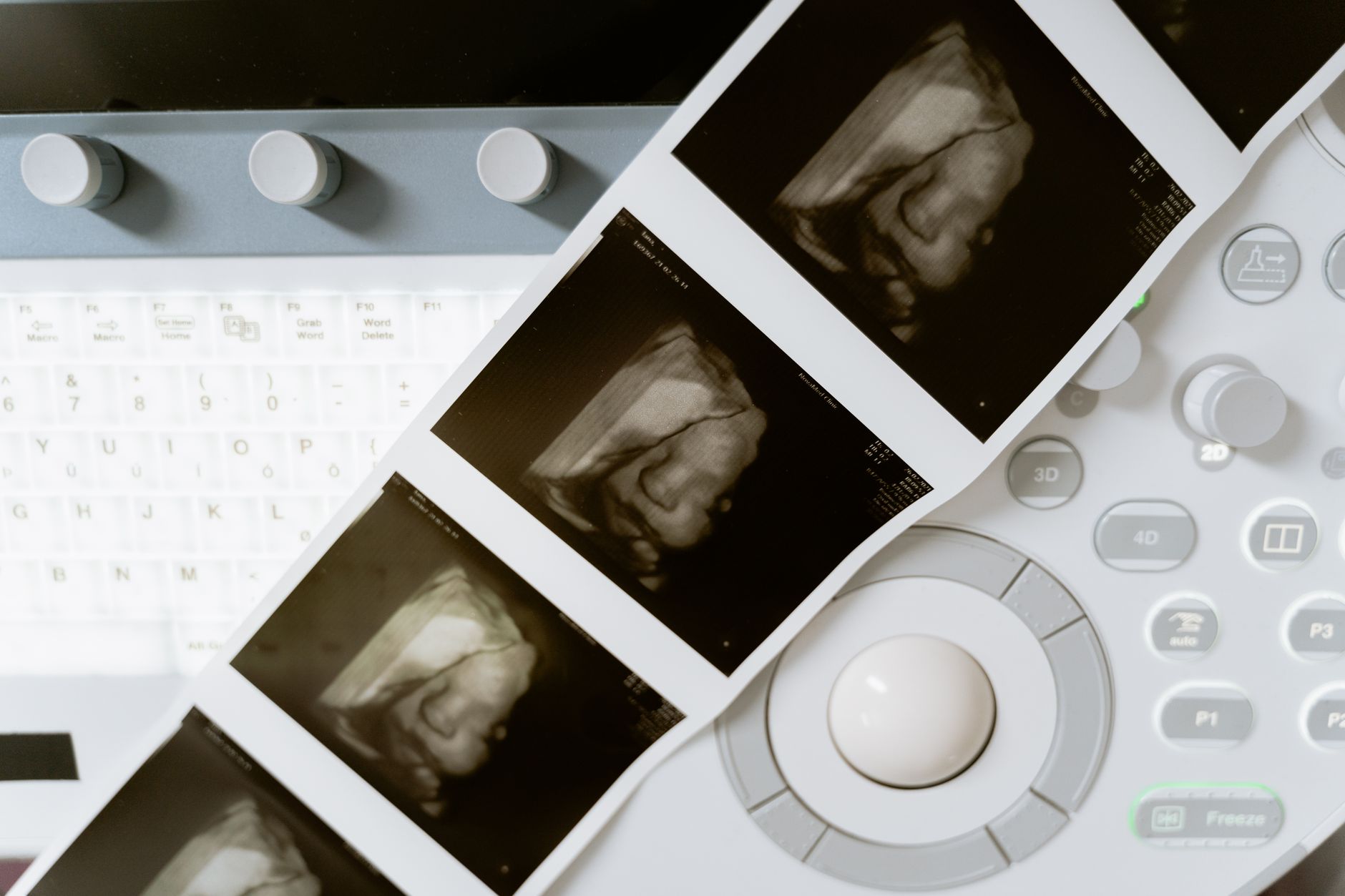
Healthcare providers are turning to advanced diagnostic technologies this month to address persistent gaps in early cancer detection. While traditional mammograms remain the baseline for screenings, the integration of artificial intelligence and high-resolution 3D imaging is changing clinical outcomes. Hospitals across the country are upgrading their radiology departments with software capable of identifying microscopic anomalies that human eyes might miss during routine reviews.
This shift toward tech-driven diagnostics comes at a critical juncture for oncology. Recent clinical data suggests that algorithmic pattern recognition can reduce false positives while flagging aggressive tumors up to a year earlier than conventional methods. Radiologists now have access to neural networks trained on millions of historical scans, serving as a reliable second opinion during high-volume screening days. Such tools do not replace medical professionals, but rather augment their capacity to prioritize high-risk patients efficiently.
Beyond software enhancements, hardware manufacturers are pushing the boundaries of patient comfort and accessibility. Portable ultrasound devices and low-dose scanning equipment are making preventive care viable in rural and underserved clinics where heavy machinery is impractical. As these technologies scale, health systems anticipate a measurable decline in late-stage diagnoses, fundamentally shifting the paradigm from reactive treatment to proactive prevention.





Comments