
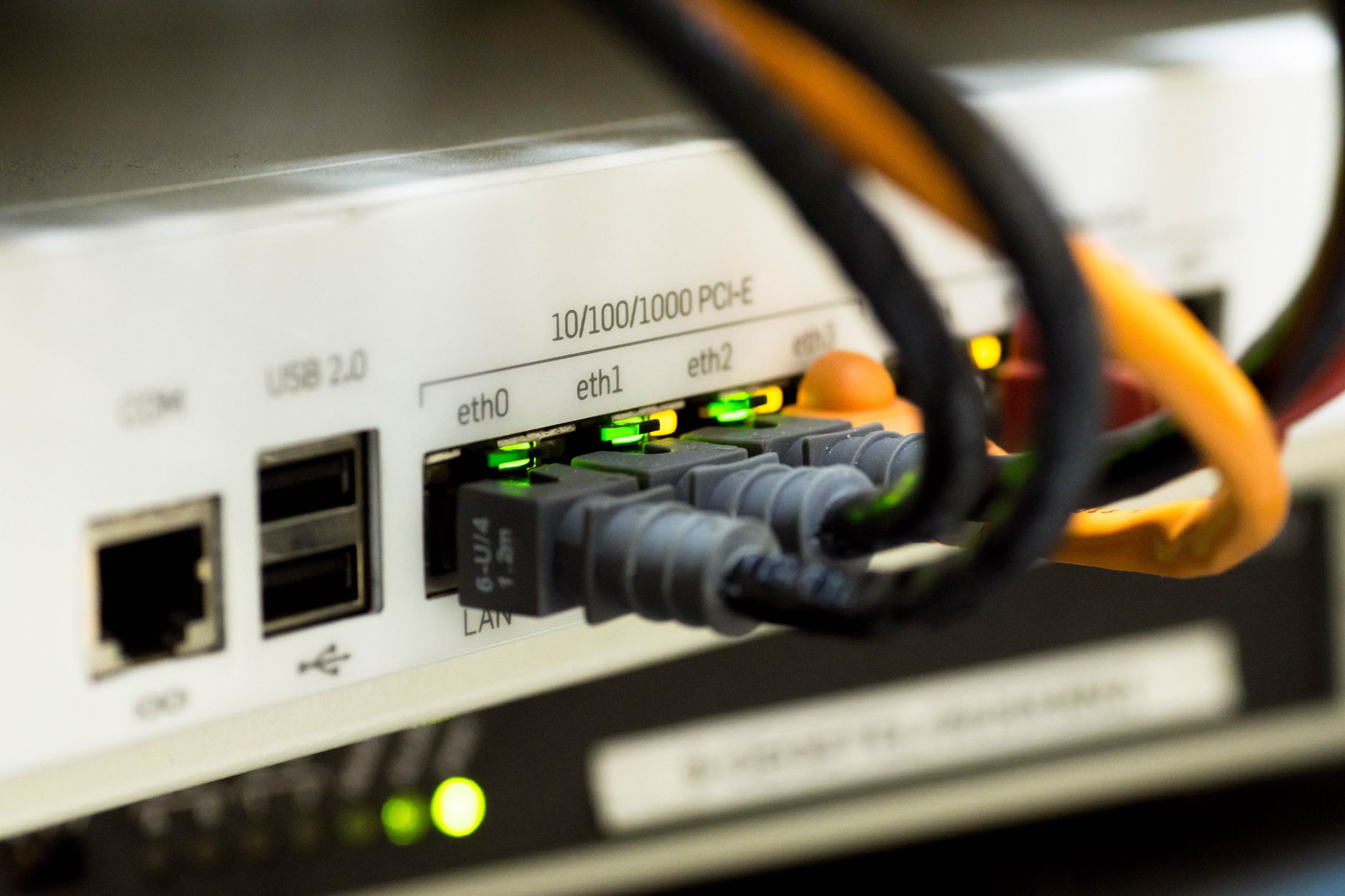
The federal government is expanding its regulatory crosshairs beyond telecom infrastructure to target everyday consumer hardware. Popular electronics like drones, Wi-Fi routers, and robotic vacuums face tightening import restrictions under Federal Communications Commission directives aimed at foreign manufacturers. What began years ago as a campaign against major Chinese telecom equipment providers has evolved into a sweeping policy impacting entire categories of household technology.
Federal regulators cite national security risks as the primary driver behind the restrictions, though critics point out that officials have yet to publish concrete evidence supporting these threats. The policy has created a disjointed market environment where enforcement appears arbitrary. While some brands navigate the restrictions through special waivers or conditional approvals, others find themselves locked out entirely or forced to defend their supply chains against sudden regulatory roadblocks.
The impact of these trade barriers extends far beyond bureaucratic hurdles, forcing manufacturers to rethink long-term operational strategies. Some major hardware makers are exploring domestic assembly investments to appease regulators and secure import exemptions, promising hundreds of local jobs in exchange for market access. Meanwhile, smaller brands and proxy distributors continue to vanish from regulatory approval lists, transforming the consumer tech import landscape into an unpredictable game of regulatory whack-a-mole.





Comments