
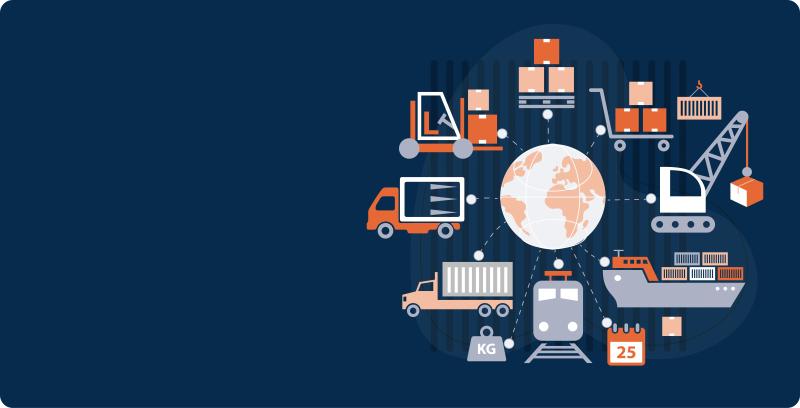
Artificial intelligence is rapidly transforming the logistics industry, enabling companies to build smarter, faster, and more efficient delivery networks. As global commerce continues to grow and customer expectations for faster deliveries increase, logistics providers are leveraging AI-powered platforms to optimize transportation operations, improve supply chain visibility, and enhance overall efficiency.
Traditional logistics systems often face challenges related to route planning, fleet management, demand forecasting, and real-time operational coordination. AI-powered logistics platforms address these challenges by analyzing vast amounts of transportation data, identifying patterns, and making intelligent recommendations that improve decision-making across the supply chain.
One of the most significant applications of AI in logistics is route optimization. Machine learning algorithms can evaluate traffic conditions, weather forecasts, delivery schedules, fuel consumption, and road restrictions to determine the most efficient routes for delivery vehicles. This helps organizations reduce transit times, lower fuel costs, and improve on-time delivery performance.
Predictive analytics is also playing an increasingly important role in modern logistics operations. AI systems can forecast demand fluctuations, identify potential supply chain disruptions, and recommend proactive measures before issues impact business operations. These capabilities enable companies to improve planning accuracy and maintain reliable delivery services.
Warehouse operations are benefiting significantly from AI-driven automation. Intelligent systems can optimize inventory placement, automate picking and packing processes, and improve warehouse workflow efficiency. By reducing manual tasks and minimizing operational bottlenecks, logistics companies can process shipments faster and more accurately.
Real-time shipment tracking has become another major advantage of AI-powered logistics platforms. Advanced monitoring systems provide continuous visibility into package locations, transportation conditions, and delivery progress. This enhanced transparency allows businesses and customers to receive timely updates while improving trust and service quality.
AI is also helping logistics providers improve fleet management. Intelligent platforms can monitor vehicle performance, predict maintenance requirements, and optimize asset utilization. Predictive maintenance capabilities reduce unexpected breakdowns, extend vehicle lifespan, and help organizations minimize costly operational disruptions.
The growth of e-commerce has accelerated the adoption of AI-based delivery solutions. Online retailers require highly efficient logistics networks capable of handling increasing order volumes while meeting customer expectations for rapid delivery. AI helps companies balance speed, cost, and resource allocation to maintain competitive service levels.
Sustainability has emerged as another important driver of AI adoption in logistics. Route optimization, fuel efficiency analysis, and intelligent transportation planning can significantly reduce carbon emissions. Many organizations are using AI technologies to support environmental goals while simultaneously lowering operating expenses.
Emerging technologies such as autonomous vehicles, delivery drones, and robotic fulfillment systems are further expanding the role of AI within the logistics sector. These innovations have the potential to enhance last-mile delivery operations, improve scalability, and increase efficiency across global supply chains.
Despite its benefits, AI implementation in logistics requires investments in data infrastructure, cybersecurity, workforce training, and system integration. Organizations must ensure that AI-driven decisions remain transparent, reliable, and aligned with operational objectives.
Industry experts believe AI-powered logistics platforms will continue to evolve as machine learning models become more sophisticated and data availability increases. Future systems are expected to provide even greater levels of automation, predictive intelligence, and operational optimization.
As supply chains become increasingly complex, artificial intelligence is emerging as a critical technology for modern logistics operations. By improving visibility, efficiency, and decision-making, AI-powered logistics platforms are helping businesses build resilient delivery networks capable of meeting the demands of a rapidly changing global economy.





Comments