
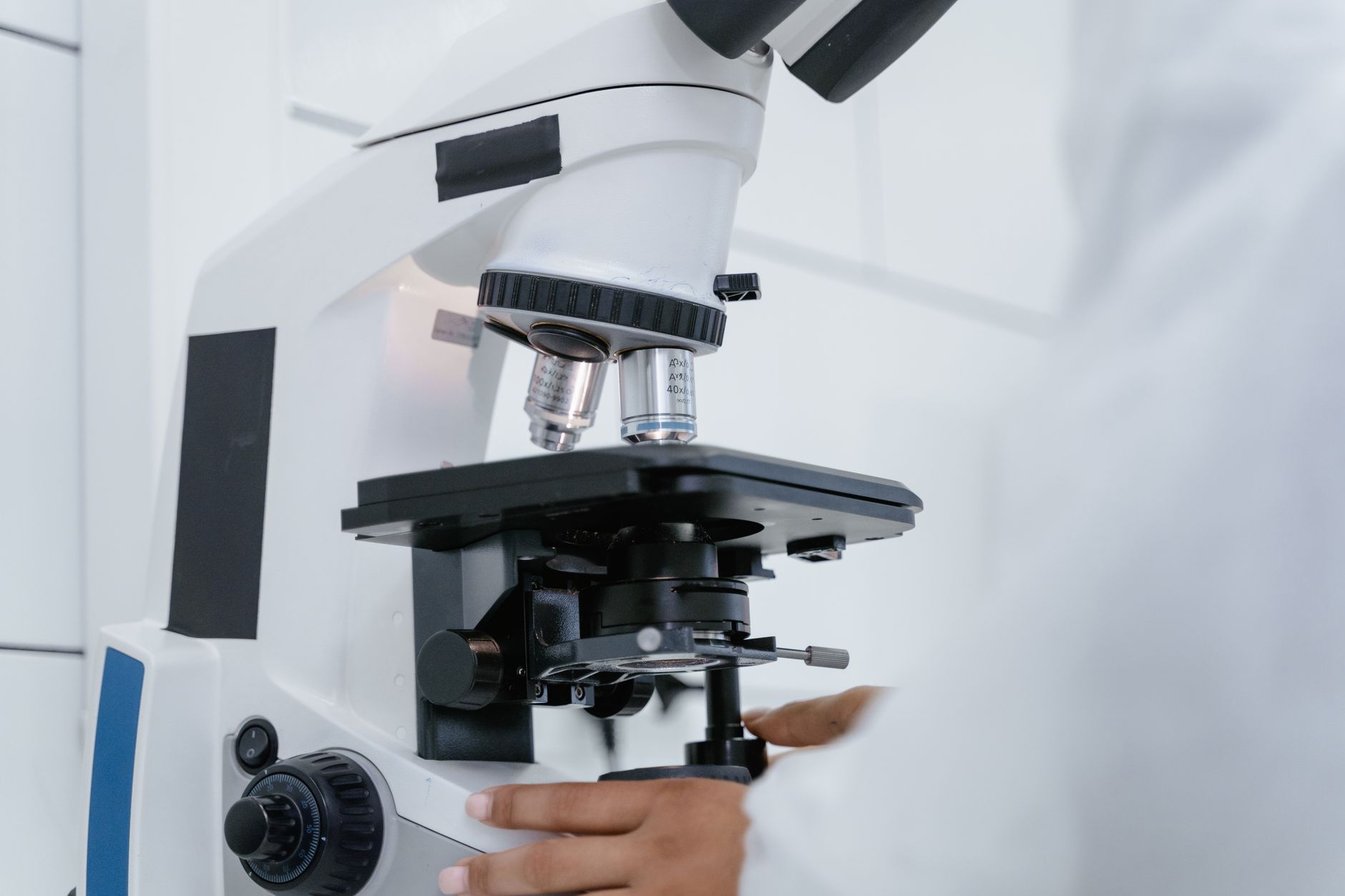
Scientific instruments are getting a major cognitive upgrade. A team of materials researchers and computer scientists has successfully trained machine learning algorithms to operate inside laboratory spectrometers, drastically cutting down calibration time and eliminating traditional hardware bottlenecks. Instead of relying on rigid, pre-programmed parameters, these self-correcting sensors analyze real-time spectral data feedback loops to adapt dynamically to unknown chemical compositions.
Spectrometry has long suffered from spectral overlap, baseline drift, and environmental interference. Chemists typically spend hours fine-tuning devices and cleaning up noisy data streams manually. By embedding autonomous intelligence directly into the analytical pipeline, the upgraded units recognize anomalies, adjust optical filters, and isolate target signatures independently. The underlying neural networks map complex, high-dimensional datasets far quicker than conventional algorithms, opening doors to continuous industrial monitoring where delays can compromise entire manufacturing batches.
Laboratory testing shows that self-learning spectrometers achieve higher precision rates while reducing operational overhead by nearly half. Pharmaceutical firms, environmental agencies, and semiconductor manufacturers stand to benefit immediately from faster material identification. As edge computing hardware becomes more compact, instrument makers plan to roll out firmware updates that bring autonomous learning to handheld chemical analyzers and remote field sensors alike.




Comments