
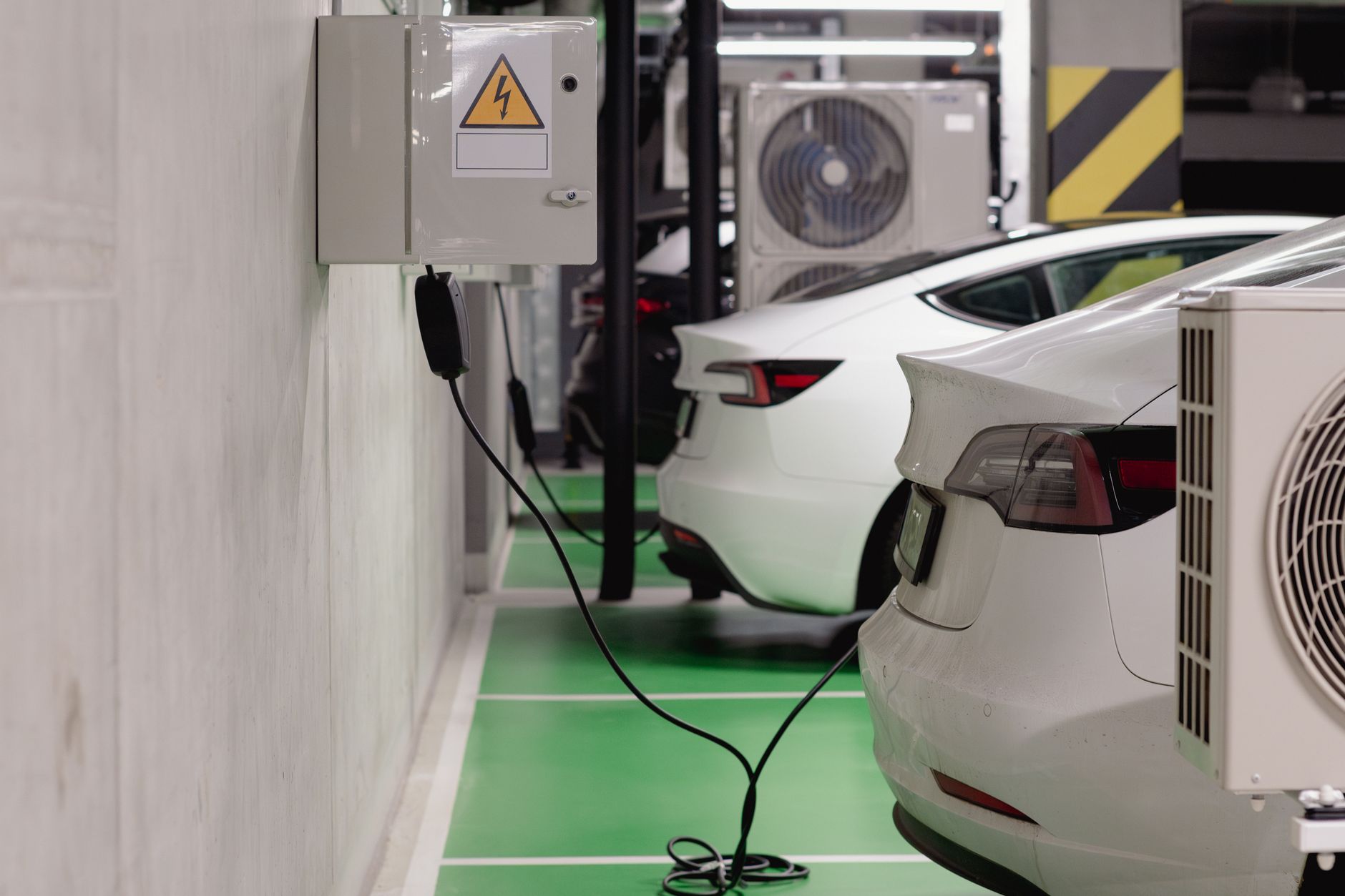
Tencent Cloud has signed a sweeping strategic agreement with the parent company of NaaS Technology to overhaul how electric vehicle charging networks operate through artificial intelligence. The collaboration aims to merge Tencent's heavy cloud infrastructure and deep-learning capabilities with NaaS expansive footprint in the EV charging sector. Both organizations intend to target inefficiencies that have plagued fast-growing charging grids, focusing heavily on predictive maintenance, dynamic pricing models, and grid load balancing. As EV adoption scales globally, operators face mounting pressure to keep stations online and profitable. This partnership attempts to solve those operational bottlenecks by moving from reactive repairs to predictive, data-driven oversight.
Under the terms of the agreement, Tencent Cloud will supply the underlying architecture needed to process massive telemetry data streams generated by charging stations in real-time. This processing power enables machine learning algorithms to forecast peak usage hours accurately, routing drivers to underutilized chargers and balancing stress on local electrical grids. Meanwhile, NaaS will leverage its domain expertise to deploy these AI modules across vast networks of charging piles. The integration also opens doors for enhanced in-car payment gateways and personalized driver services, shifting the charging experience from a mundane errand to a connected digital touchpoint.
Industry analysts point out that hardware expansion alone cannot solve the long-term profitability and reliability challenges of EV charging infrastructure. Software intelligence and cloud optimization represent the next frontier for companies looking to dominate the clean energy transition. By bringing together Tencent's software muscle and NaaS sector-specific reach, the alliance sets a new benchmark for smart energy management. Observers will be watching closely to see how quickly these cloud-native solutions roll out across major metropolitan charging hubs and whether they can successfully lower operational overhead for station owners.





Comments