
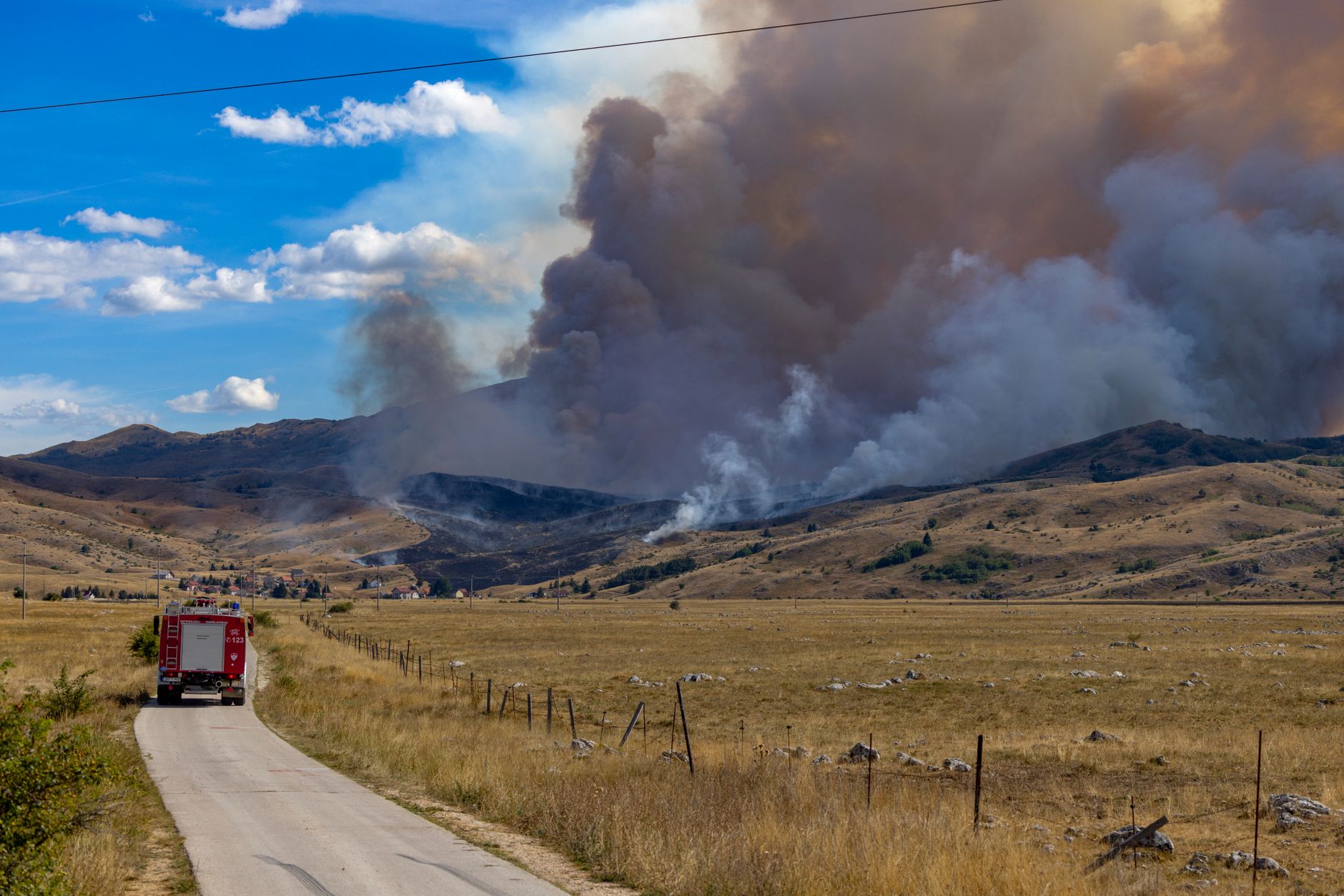
Thick smoke from rampant peatland wildfires has engulfed Indonesia and vast stretches of Southeast Asia in a toxic haze, driven by a record-breaking El Niño weather pattern. While these blazes severely degrade air quality by releasing hazardous pollutants, they are also pumping immense quantities of planet-warming carbon dioxide into the atmosphere. Earth scientists Gareth Roberts and Martin Wooster note that Indonesia's fires have released an estimated 190 million tons of carbon so far this year. That figure equals roughly three-quarters of the nation's annual CO2 emissions produced by burning fossil fuels.
Parched conditions, intensified by El Niño-driven drought, have severely exacerbated the flammability of peatlands that were already compromised by deforestation and drainage. When peat catches fire, it can smolder underground for weeks or months at a time, releasing ancient carbon locked away for centuries. This crisis highlights just one mechanism by which El Niño accelerates atmospheric CO2 accumulation. The strong El Niño event of 2023 and 2024 helped boost the global average CO2 concentration by 3.5 parts per million, marking the largest increase since modern record-keeping started in 1957. Although the World Meteorological Organization reported a more moderate rise of 2.8 ppm from 2024 to 2025, global average CO2 concentrations still climbed to a record high.
El Niño is a recurring climate phenomenon triggered by weakening trade winds that push warm water from the western Pacific Ocean toward the central and eastern tropical Pacific. This shift pumps vast amounts of heat and moisture into the atmosphere, raising global temperatures and altering global weather patterns. In tropical regions, El Niño typically reduces rainfall and drives up air temperatures, leading to drought, stunted plant growth, and heightened fire activity. Reduced plant growth means tropical forests absorb less carbon from the atmosphere, while increased wildfires generate massive emissions. Furthermore, hotter and drier conditions cause higher tree mortality, accelerating the decomposition of organic material and releasing even more stored carbon.
This climate cycle sparks a pan-tropical wildfire pattern beginning with drought and peat fires near the equator in Indonesia, followed by intensified fire activity in the Amazon. Brazil's space agency recently recorded 1,921 fire hotspots in Amazonas between October 1 and 19, marking a 202 percent increase compared to the same period in 2025. Projections from the European Centre for Medium-Range Weather Forecasts indicate sea surface temperatures in the tropical Pacific could rise by about 7.2 degrees Fahrenheit by December, with the most severe impacts expected during the winter months as the super El Niño reaches its peak.
Super El Niño Triggers Massive Indonesian Wildfires and Global CO2 Surge





Comments