
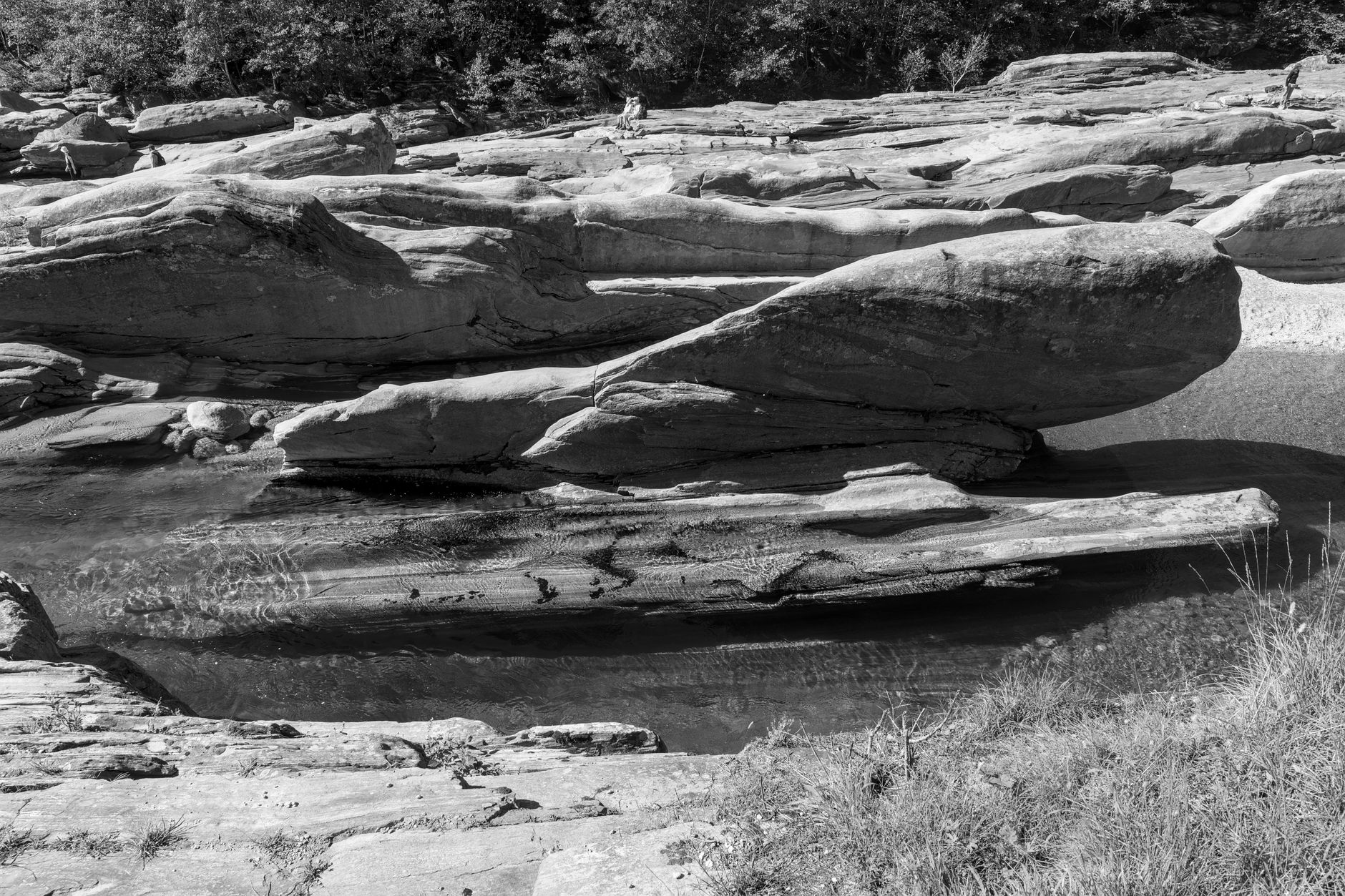
When the Glen Canyon Dam and Lake Powell were completed in the early 1960s, supporters praised the reservoir for providing drought protection, hydropower, and recreation. However, critics continually mourned the loss of Glen Canyon, which was submerged beneath the artificial lake. Today, a deepening crisis on the Colorado River has caused both Lake Powell and Lake Mead to hit record-low levels, exposing lost features like the Gregory Bridge rock arch and the Cathedral in the Desert amphitheater.
These resurfacing natural wonders have reignited a push by environmental organizations, including the Glen Canyon Institute, to drain Lake Powell entirely. Proponents argue this radical shift would create a more reliable water supply and revive a vibrant riverine ecosystem. Before the dam, Glen Canyon served as the biological heart of the Colorado River, boasting dozens of plant and animal species alongside thousands of ancient cultural ruins.
The proposed conservation strategy, known as "Fill Mead First," involves consolidating remaining water into Lake Mead rather than maintaining two half-empty reservoirs. Instead of removing the multi-billion-dollar dam, advocates suggest drilling new diversion tunnels around it near the riverbed to allow the Colorado River to flow freely once again. Proponents claim that installing hydropower turbines in these tunnels would maintain electricity generation, while dramatically cutting down on massive annual evaporation and bank seepage losses.
Despite these potential ecological and water-saving benefits, the plan faces steep obstacles. Federal officials did not include the strategy in recent environmental impact statements, and the project would likely require billions of dollars and a decade of construction. Furthermore, the plan faces strong pushback from regional water recreation advocates and presents complex jurisdictional challenges as the federal government mandates strict water cuts across the basin states.





Comments