
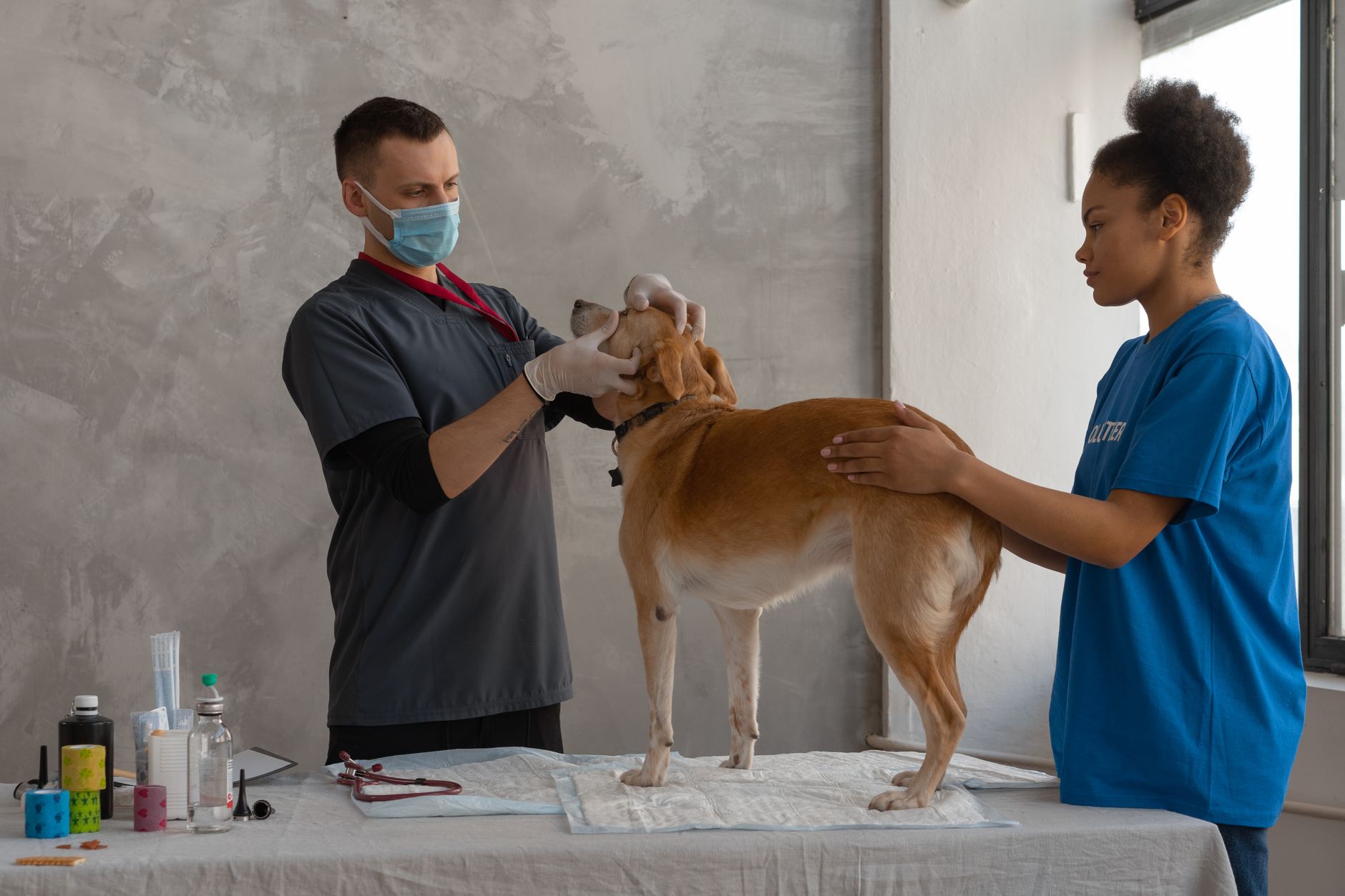
Federal agricultural authorities are scrambling to contain a troubling spike in New World screwworm infections, after four dogs and a cat were confirmed attacked by the flesh-eating parasites this week. The United States Department of Agriculture has tracked 74 total animal cases since the parasitic flies first breached domestic borders back in June, marking an aggressive and unexpected vector expansion.
Veterinary epidemiologists explain that screwworms are not your average common housefly. Female flies deposit eggs inside minor wounds or open sores on warm-blooded hosts. Within a day, the hatched larvae burrow deep into living tissue, feeding on the host's flesh and causing severe tissue destruction, intense pain, and potentially fatal systemic infections if left untreated.
Pet owners living in affected regions have been advised to inspect their animals daily for unexplained scabs, foul-smelling discharge, or unusual lethargy. Agricultural extension offices are heavily distributing preventative guidelines and coordinating local quarantine protocols to halt the migration of the flies before livestock operations face widespread devastation.
Looking ahead, federal researchers are ramping up sterile insect technique programs, releasing millions of sterilized male flies to disrupt the breeding cycle and drive down wild populations. Biologists emphasize that public vigilance remains the primary defense line to protect both household pets and regional wildlife from further infestation waves.





Comments