
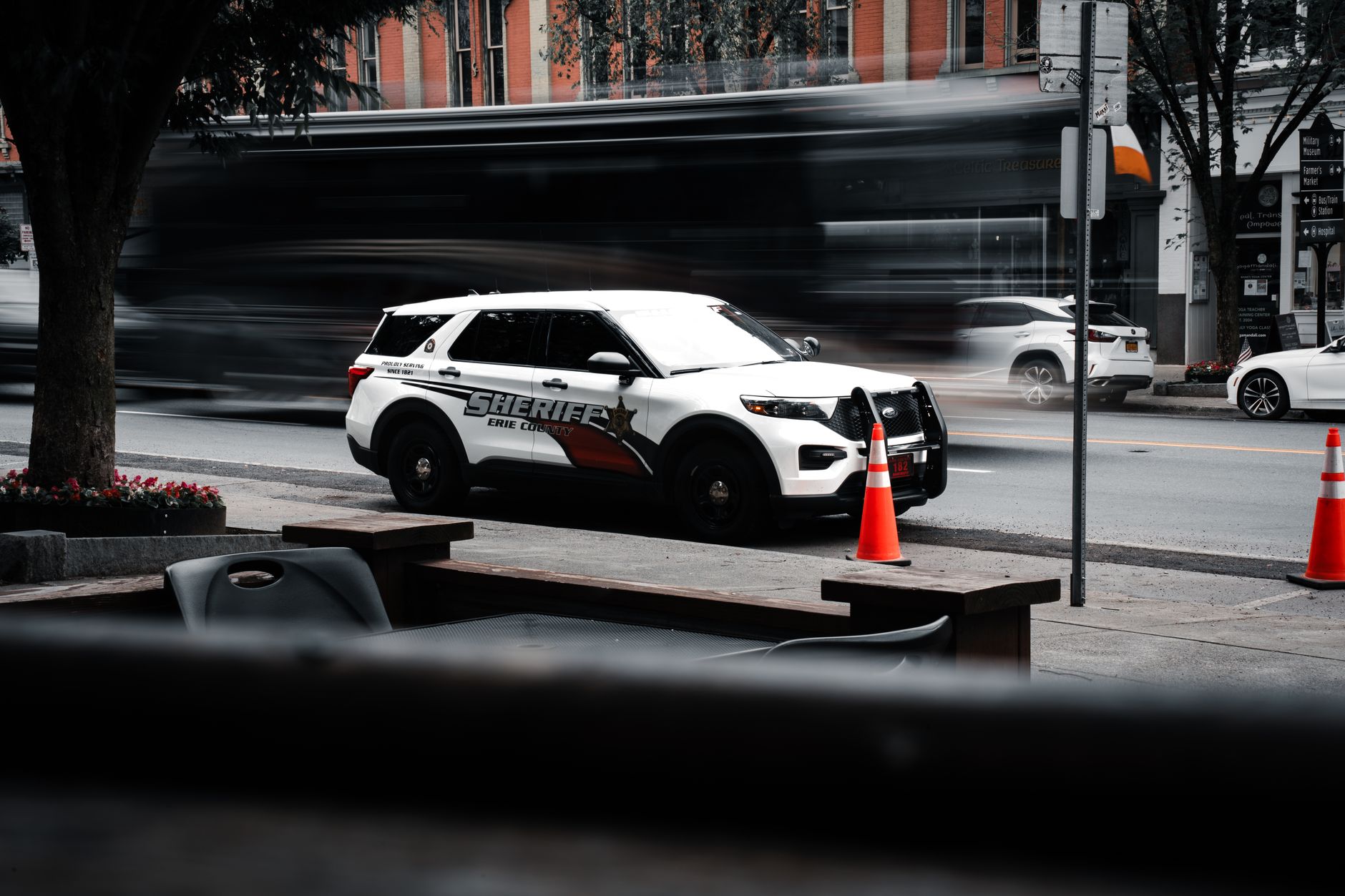
Automated license plate reader (ALPR) technology has quickly shifted from a supplementary traffic management tool into a frontline asset for law enforcement agencies tracking down stolen property. High-definition cameras mounted on patrol cruisers and fixed roadside infrastructure scan thousands of plates per hour, cross-referencing alphanumeric data instantly against regional and national hotlists. When a match occurs, officers receive immediate ping alerts with precise location coordinates and directional vectors.
This operational shift addresses a persistent challenge for municipal police departments. Traditionally, stolen vehicle recovery relied heavily on visual spot-checks or delayed citizen reports, leaving patrol officers searching blindly through vast urban grids. ALPR systems transform this reactive process into a data-driven pursuit. As criminal networks increasingly use stolen automobiles in secondary offenses like burglaries and armed robberies, the ability to trace vehicle movements within minutes has fundamentally altered tactical response models.
Despite the undeniable utility for recovering stolen assets, the proliferation of roadside camera grids continues to ignite intense debate surrounding public privacy and civil liberties. Privacy advocacy groups point out that persistent tracking builds comprehensive historical databases of everyday citizen movements, even for individuals who have committed no infraction. Lawmakers and municipal leaders now face the complex task of establishing strict data retention caps and auditing protocols to balance public safety outcomes against constitutional privacy protections.
As AI-powered edge computing continues to mature, next-generation ALPR deployments will likely incorporate real-time behavioral analytics alongside standard optical character recognition. Manufacturers are already testing systems capable of identifying specific vehicle makes, models, body damage, and custom modifications on the fly. For police departments, this means the technology will soon track suspects even when license plates are obscured, missing, or swapped. However, this technical leap will undoubtedly intensify scrutiny over government surveillance capabilities in the coming years.





Comments