
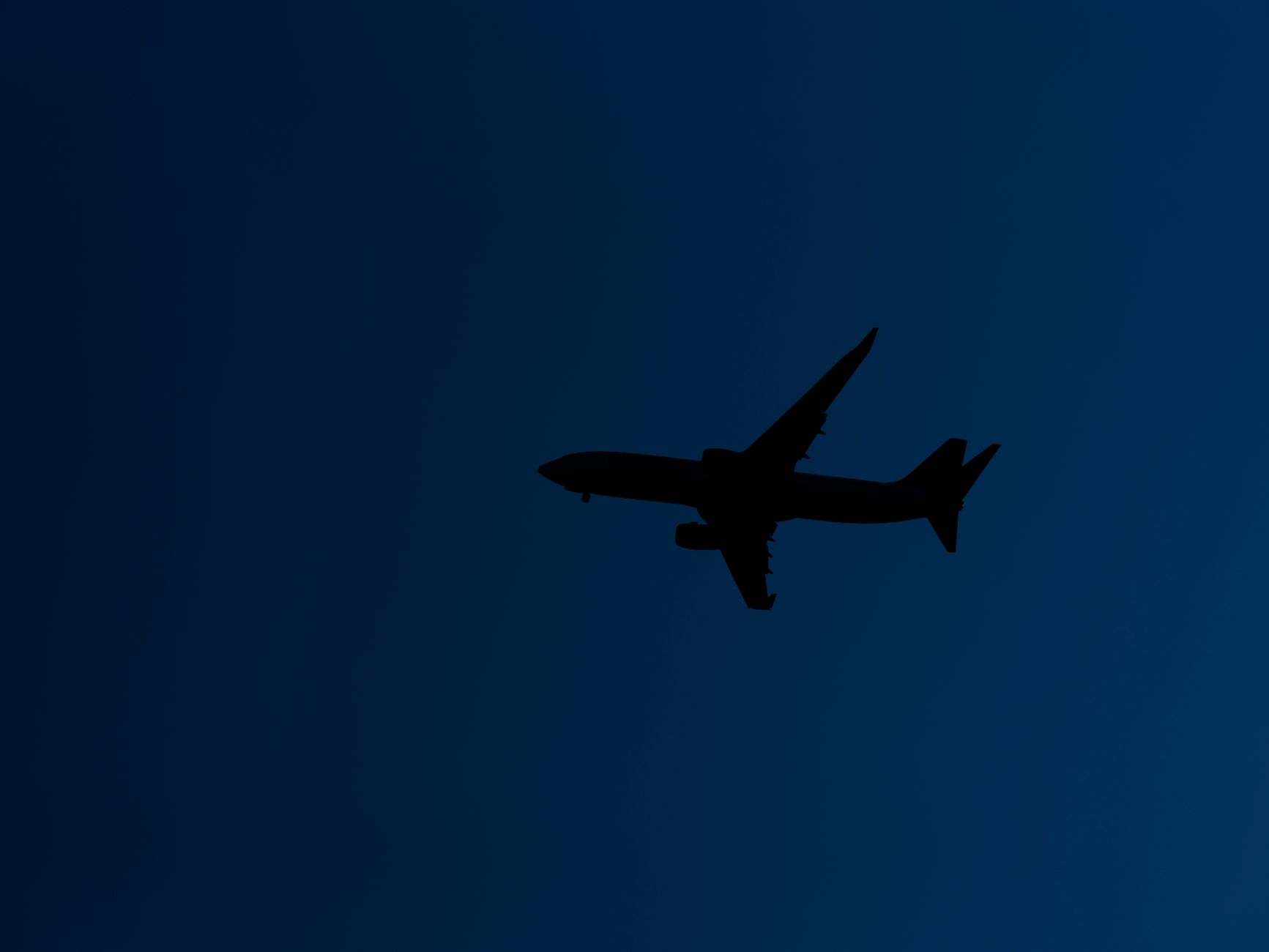
Pilots operating commercial airliners, helicopters, and military aircraft face a persistent hazard from individuals aiming handheld laser pointers into the sky. While physics causes a laser beam to expand significantly over a mile or two, the cockpit windshield acts as a scattering surface. Instead of seeing a small harmless dot, a flight crew experiences a blinding wash of light that can cascade across their entire field of vision.
These dangerous strikes predominantly occur during takeoff and landing when aircraft fly at lower altitudes. Because these events frequently happen at night, pilots face extreme vulnerability due to dilated pupils, which can trigger temporary flash blindness during critical phases of flight. Helicopters used by police, medical services, and news outlets are especially frequent targets because they operate at lower elevations over populated areas.
Federal authorities treat these incidents as severe security threats rather than harmless pranks. Pointing a laser at an aircraft became a federal crime in the United States in 2012, carrying potential penalties of up to five years in prison and steep civil fines. Law enforcement agencies increasingly utilize advanced tracking technology, including infrared cameras mounted on police choppers and specialized surveillance aircraft, to trace the concentrated light beams directly back to the perpetrator's location.





Comments