
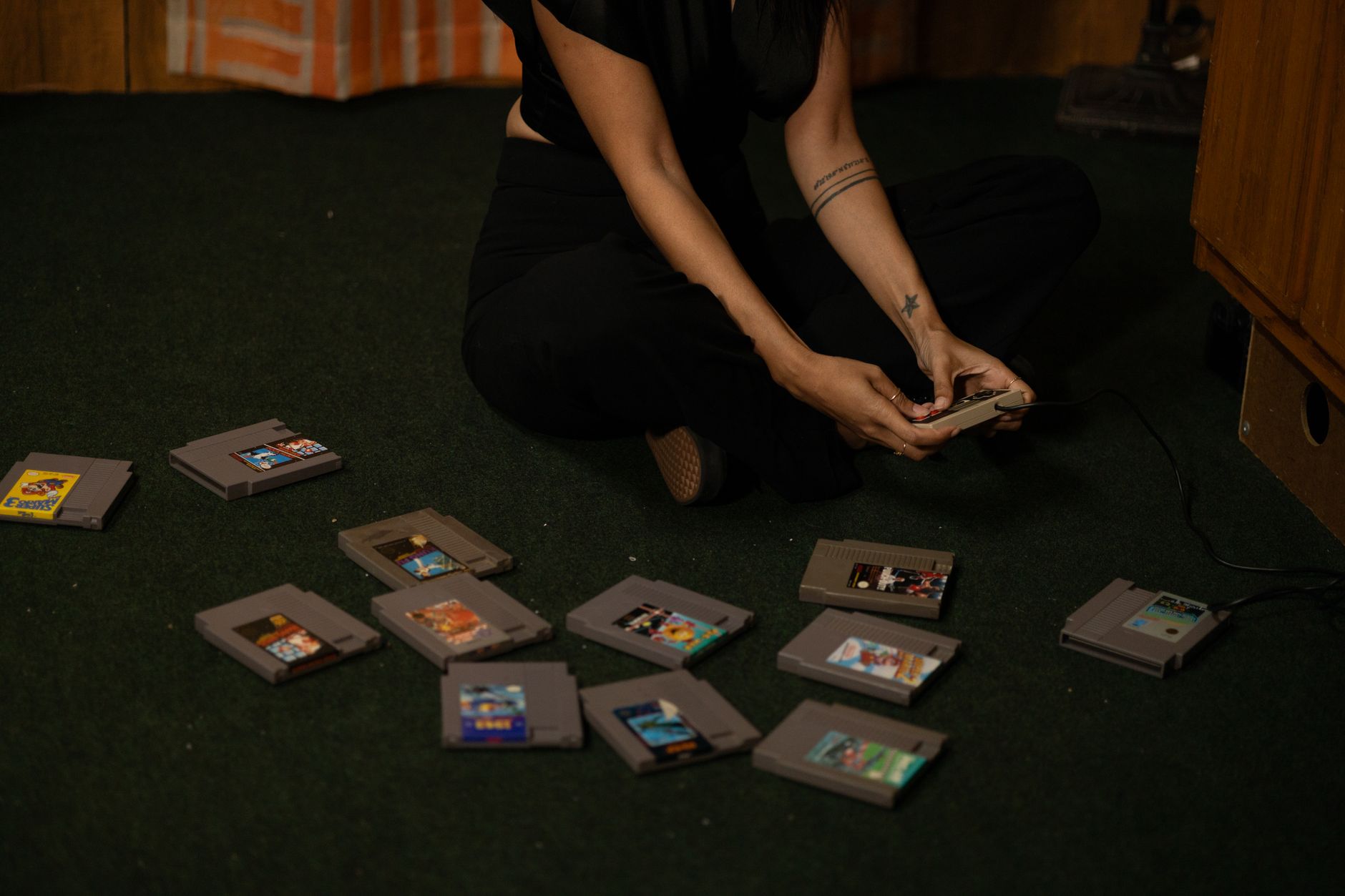
Collectors looking to dust off a piece of childhood gaming history are facing severe sticker shock when shopping for original Super Nintendo Entertainment System titles. While digital emulators offer a virtual workaround, the desire to physically own, display, and play original cartridges has driven a massive spike in the secondary market. Popular classic titles from the 16-bit era command hefty sums that often eclipse the cost of modern releases.
At the root of these soaring price tags is basic economics: a fixed, shrinking supply clashing with a surging wave of demand. Nintendo originally released the SNES in Japan in late 1990 and brought it to the United States the following year. Over its commercial lifespan, the console sold just over 49 million units globally, backed by approximately 379 million software units sold worldwide. Because Nintendo long ago halted cartridge production, the circulating pool of games is finite. Decades of lost, damaged, or misplaced media have further depleted those numbers, leaving far fewer functional copies available today.
This inventory bottleneck intersects directly with shifting demographics and pop-culture trends. Adults who grew now have disposable income and actively seek out the physical media they enjoyed in their youth or always wanted as children. At the same time, platforms like YouTube, streaming channels, and speedrunning marathons like Awesome Games Done Quick introduce classic titles to entirely new generations of players. Consequently, mass-produced titles like Super Mario World remain relatively affordable, while low-print cult classics like Earthbound routinely trade for hundreds of dollars on secondary markets.





Comments