
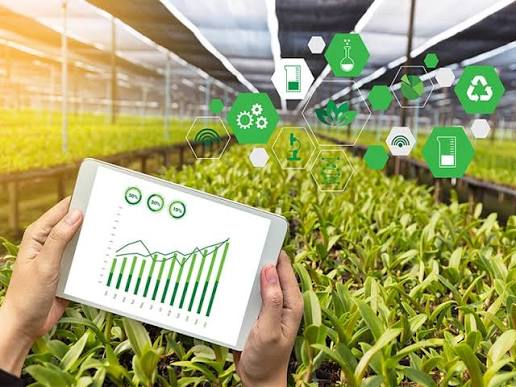
Machine learning is rapidly transforming the agricultural sector by enabling farmers to make smarter, data-driven decisions that improve productivity, reduce operational costs, and promote sustainable farming practices. As global populations continue to grow and climate-related challenges impact food production, advanced technologies are becoming essential for ensuring agricultural efficiency and long-term food security.
Precision agriculture combines machine learning, artificial intelligence, IoT sensors, drones, satellite imagery, and advanced analytics to provide real-time insights into crop conditions and farm operations. These technologies allow farmers to monitor fields with greater accuracy and respond proactively to changing environmental conditions.
One of the most important applications of machine learning in agriculture is crop health monitoring. AI-powered systems can analyze images collected from satellites and drones to identify signs of disease, pest infestations, nutrient deficiencies, and water stress before they become visible to the human eye. Early detection helps farmers take timely action, reducing crop losses and improving overall yields.
Machine learning is also revolutionizing irrigation management. Intelligent algorithms analyze weather forecasts, soil moisture data, crop growth stages, and historical farming patterns to determine the optimal amount of water required for specific areas of a field. This precision approach helps conserve water resources while maintaining healthy crop development.
Another major advancement is predictive yield forecasting. By processing large volumes of historical and real-time agricultural data, machine learning models can estimate crop yields with greater accuracy. These forecasts help farmers, distributors, and policymakers make informed decisions regarding supply chain planning, market pricing, and resource allocation.
Agricultural equipment is becoming increasingly intelligent through machine learning integration. Modern tractors, harvesters, and planting machines can automatically adjust their operations based on field conditions, soil quality, and crop requirements. This automation improves efficiency while reducing fuel consumption and operational expenses.
Machine learning is also helping optimize fertilizer and pesticide usage. Instead of applying chemicals uniformly across an entire field, AI-driven systems can identify specific areas that require treatment. This targeted approach reduces environmental impact, lowers costs, and supports sustainable farming practices.
Climate change has increased uncertainty for farmers worldwide. Machine learning models can analyze weather patterns, rainfall forecasts, temperature fluctuations, and environmental conditions to provide actionable recommendations. These insights help farmers prepare for extreme weather events and minimize potential crop damage.
Livestock farming is benefiting from machine learning as well. Intelligent monitoring systems can track animal health, behavior, nutrition, and productivity in real time. Farmers can quickly identify signs of illness or stress, improving animal welfare and enhancing overall farm efficiency.
Supply chain optimization is another growing area of adoption. Machine learning enables agricultural businesses to forecast demand, manage inventory, optimize transportation routes, and reduce food waste. These capabilities improve operational efficiency from farm to consumer.
Agricultural researchers are leveraging machine learning to accelerate crop breeding programs and develop more resilient crop varieties. By analyzing genetic and environmental data, AI systems can help identify traits associated with higher yields, drought resistance, and disease tolerance.
Governments and agricultural organizations worldwide are supporting the adoption of precision agriculture technologies through innovation initiatives, research programs, and digital farming investments. These efforts aim to improve food production while promoting environmental sustainability.
Despite its benefits, the adoption of machine learning in agriculture faces challenges, including infrastructure limitations, connectivity issues in rural areas, data quality concerns, and the need for farmer education and training. However, ongoing technological advancements are making AI-powered farming solutions more accessible and affordable.
Industry experts believe precision agriculture will continue to evolve as machine learning models become more sophisticated and data availability increases. Future innovations are expected to deliver even greater efficiency, sustainability, and resilience across the global agricultural ecosystem.
As agriculture embraces digital transformation, machine learning is emerging as a critical tool for modern farming. By improving resource management, increasing crop productivity, and supporting sustainable practices, AI-driven precision agriculture is helping shape the future of global food production.





Comments