
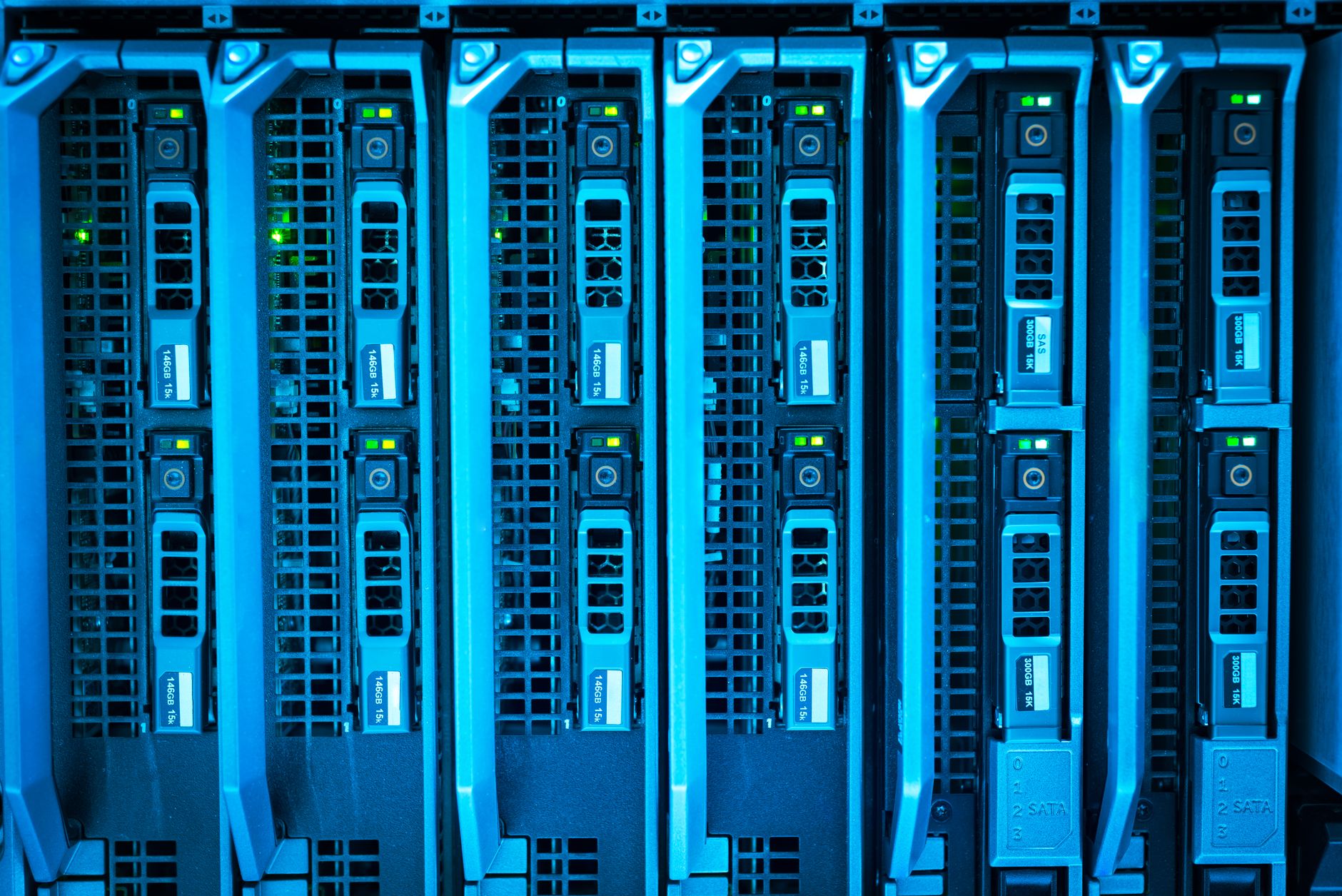
A quiet cohort of alternative cloud providers is fueling a massive wave of infrastructure spending, purchasing hundreds of thousands of high-end AI processors from manufacturers like Nvidia. These so-called neoclouds have emerged seemingly overnight, promising specialized, high-performance computing power tailored specifically for heavy machine learning workloads. Major tech giants might capture public attention with consumer-facing generative applications, but these lesser-known firms are currently serving as the heavy lifters of the hardware boom.
Traditional cloud behemoths like Amazon Web Services, Microsoft Azure, and Google Cloud have historically dominated enterprise data storage and processing. However, supply chain constraints and skyrocketing demand created a lucrative opening for aggressive startups willing to finance massive clusters of specialized accelerators. By positioning themselves as agile alternatives, these independent operators secured billions in venture capital and debt financing to snap up scarce hardware and lease it back to desperate artificial intelligence developers.
Financial analysts are increasingly sounding alarms over the business model sustaining this aggressive expansion. Many neocloud startups rely heavily on debt tied directly to hardware that depreciates rapidly as chip generations advance at a dizzying pace. If enterprise adoption of generative software hits a plateau or if larger providers finally solve their capacity bottlenecks, smaller operators could find themselves saddled with unpayable liabilities and obsolete infrastructure.
The broader technology sector watches this financial tightrope walk with a mixture of awe and deep anxiety. Should demand remain high, these nimble infrastructure players could cement a permanent place in the modern enterprise landscape. Yet, any sudden market correction risks triggering a chain reaction of defaults that would ripple straight back to chipmakers and venture capitalists, proving that even the most advanced technological gold rushes carry very traditional economic dangers.



Comments