
Industrial robotics is getting a heavy dose of data analytics and artificial intelligence as HD Hyundai Robotics joins forces with Silicon Valley software giant Palantir Technologies. The collaboration targets one of the most persistent bottlenecks in modern manufacturing: the expensive and specialized labor required to program and update robotic hardware on the factory floor. By leveraging Palantir's robust Foundry platform alongside HD Hyundai's heavy industrial expertise, the two companies hope to translate complex automation tasks into streamlined, software-driven processes. Industry analysts have long noted that programming industrial arms demands niche coding skills, often stalling deployment timelines for smaller and mid-sized manufacturers.
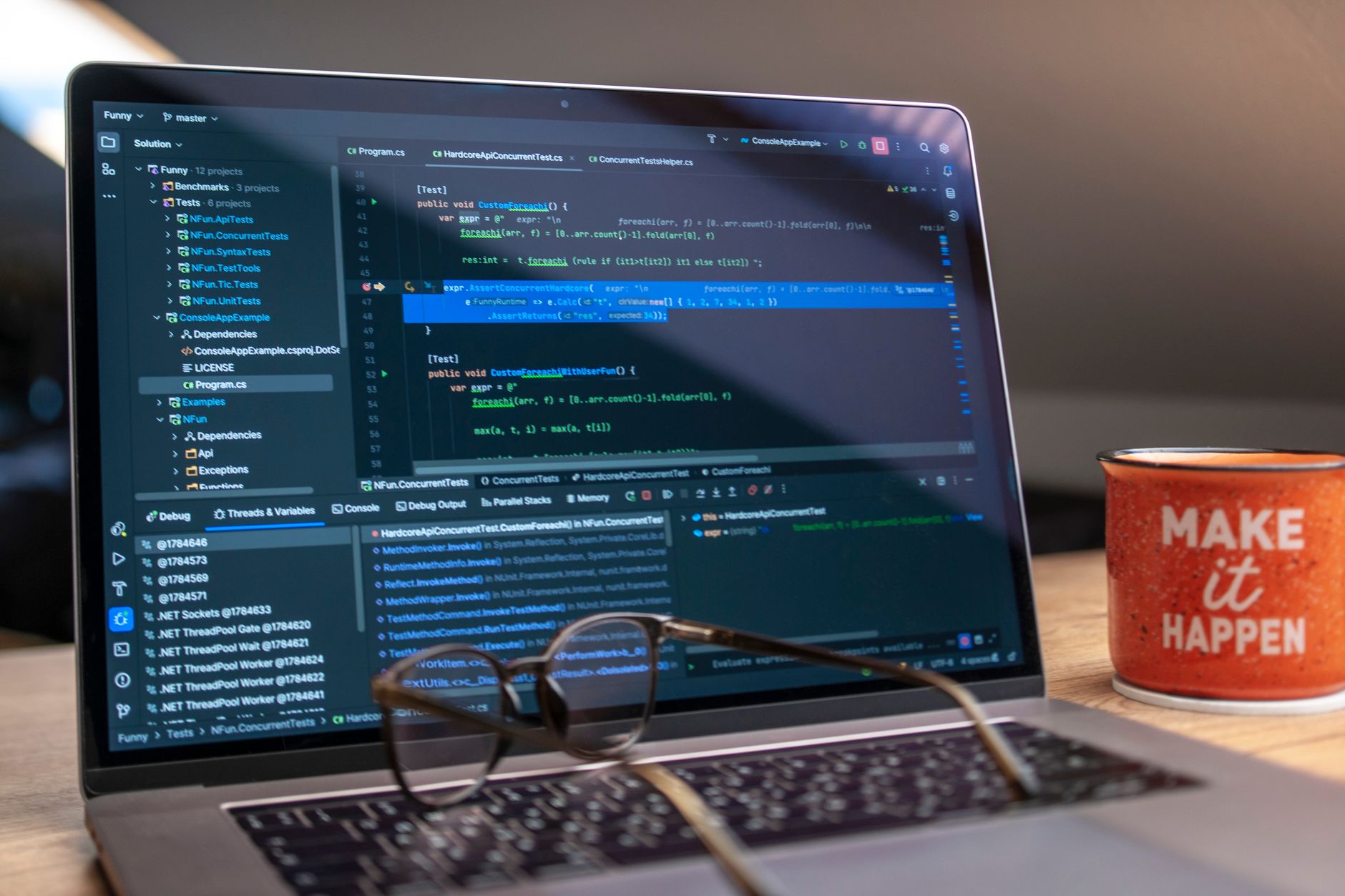
The core of this partnership centers on automating the generation of robot code using large language models and predictive analytics. Instead of engineers manually writing intricate scripts for every new welding, assembly, or material-handling task, the integrated system aims to interpret operational goals and automatically output functional robot instructions. This approach reduces human error and shortens deployment cycles from weeks to mere hours. HD Hyundai Robotics plans to embed these capabilities directly into its upcoming product lines, positioning its hardware as a turnkey solution for factories looking toward lights-out manufacturing without bloated IT budgets.
Palantir brings its deep enterprise software experience to the table, ensuring that operational data flows seamlessly from the factory floor to decision-makers. The platform aggregates sensor readings, production targets, and mechanical telemetry, allowing the AI engine to continuously refine its programming logic based on real-world performance. This feedback loop helps machines adapt to physical wear and tear or slight variations in raw materials without requiring a total system rewrite by human technicians.
Market implications for this alliance extend well beyond shipbuilding and heavy machinery, where HD Hyundai traditionally holds dominance. As manufacturing sectors globally face skilled labor shortages and rising operational expenses, accessible automation remains the ultimate survival metric. If this joint venture successfully slashes programming costs, it could lower the barrier to entry for widespread robotics adoption across automotive, electronics, and logistics sectors worldwide. Commercial rollouts of the integrated platform are slated for trial phases later this year, with broader market availability expected as the software matures.
HD Hyundai and Palantir Team Up to Cut Robot Coding Costs




Comments