
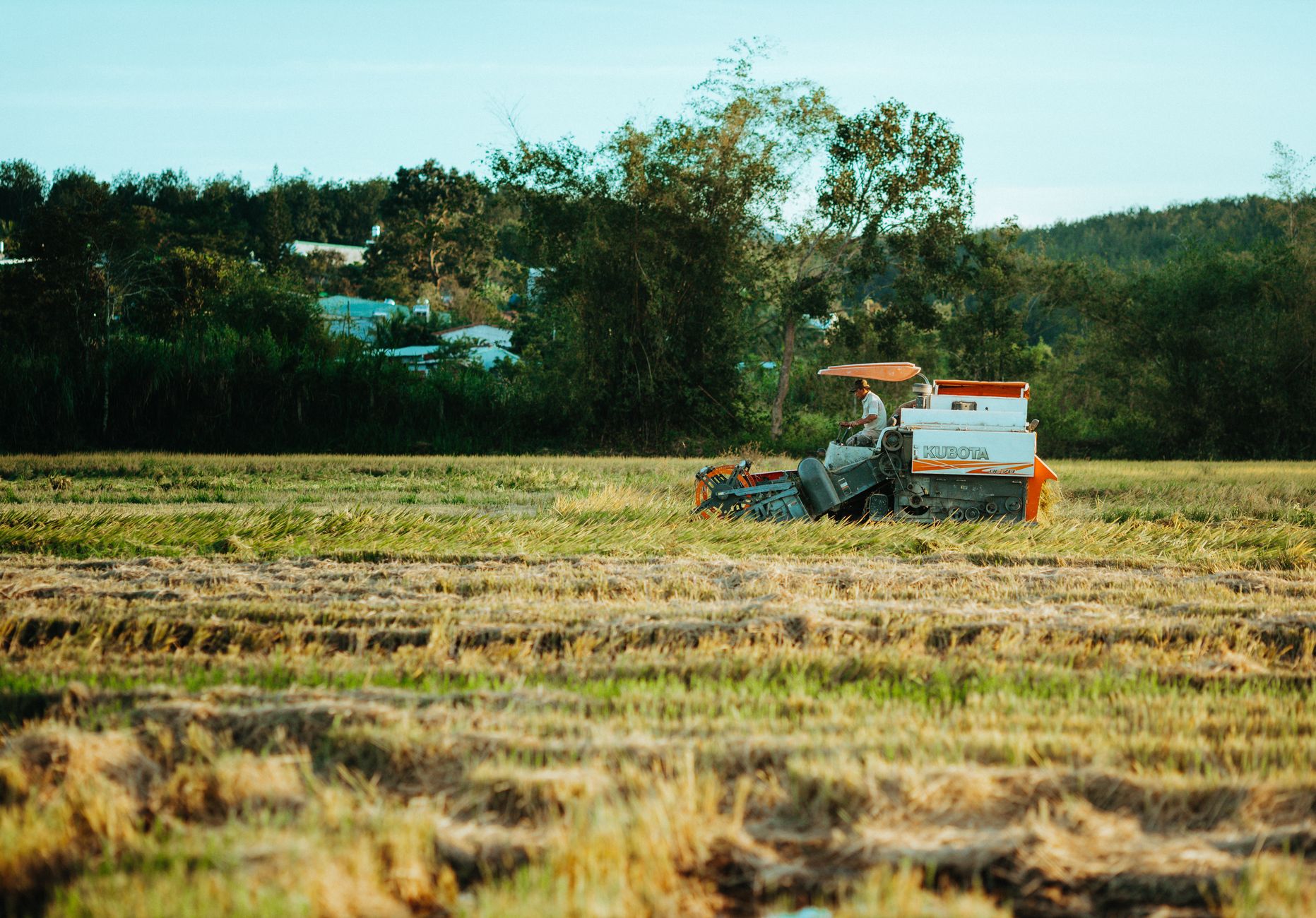
Tractors guided by satellite navigation now roll autonomously across vast fields in Henan, while AI-powered cameras monitor crop health and soil moisture levels in real time. China is undergoing a massive agricultural overhaul, trading traditional farming methods for high-tech digital systems. This modernization push is driven by an urgent national priority: securing a stable, self-reliant food supply for a population of over 1.4 billion people amid mounting geopolitical and climate pressures.
For decades, the country faced structural hurdles including shrinking arable land, severe water scarcity, and an aging rural workforce. Beijing has responded by pouring capital into agritech startups and smart infrastructure. Automated greenhouses, drone-delivered fertilizers, and precision irrigation networks are rapidly replacing manual labor. These innovations are not merely boosting crop yields; they are fundamentally redefining how the nation manages its agricultural supply chain from seed to silo.
The implications of this digital transition extend far beyond domestic efficiency. By heavily investing in agricultural technology, Beijing aims to insulate its food reserves against global trade disruptions, extreme weather events, and supply chain bottlenecks. As climate volatility threatens global food production, China's aggressive shift toward smart farming serves as a blueprint for industrialized nations seeking to fortify their foundational food networks through technological intervention.
Smart Farming is Transforming Chinese Agriculture and Food Security




Comments