
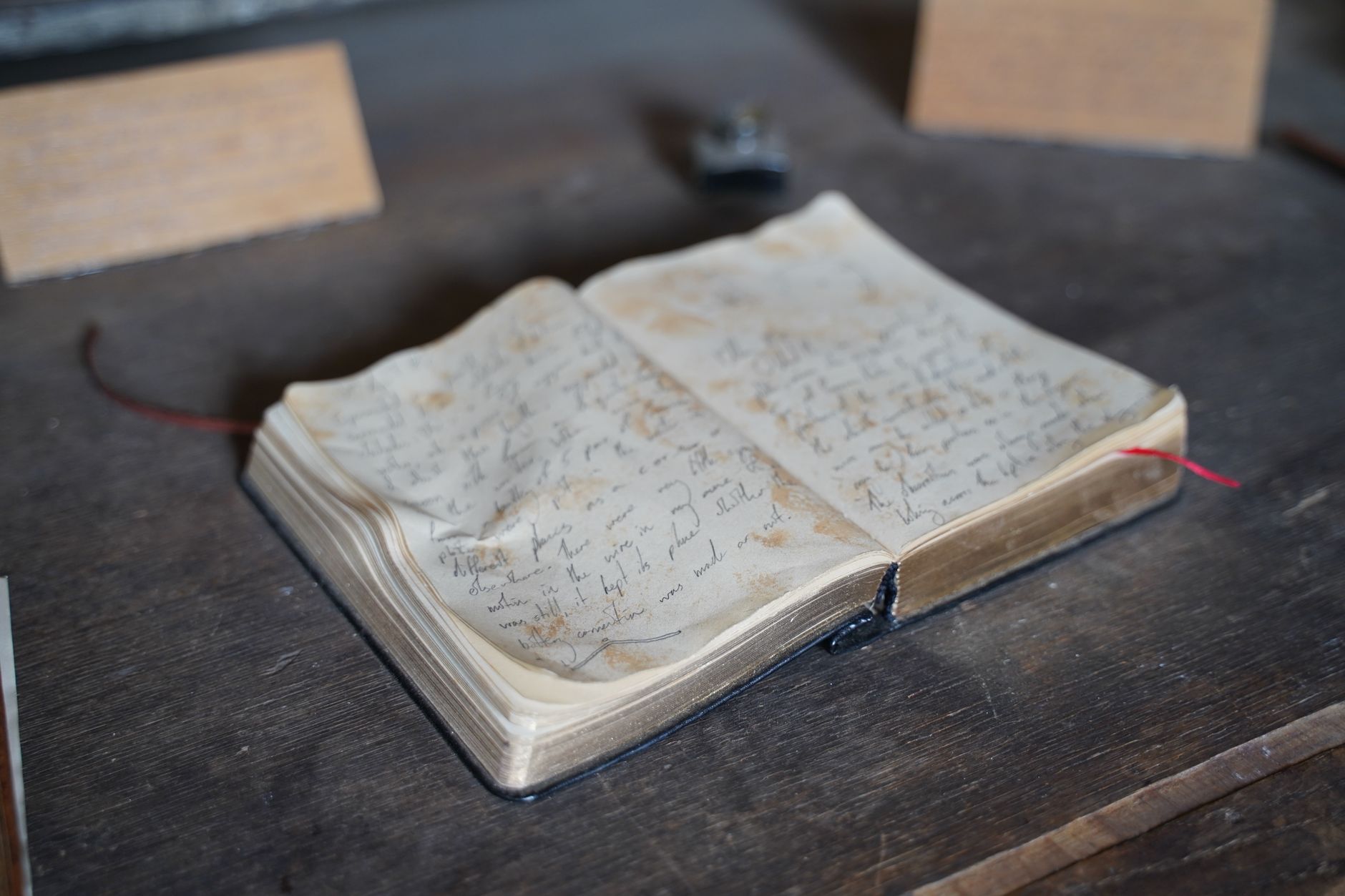
Historians and archivists are trading magnifying glasses for neural networks as machine learning algorithms sweep through damp basements and dusty university archives. Deciphering faded ink, worm-eaten parchment, and erratic handwriting has historically consumed decades of painstaking academic labor. Today, custom optical character recognition models trained on archaic languages are tearing through millions of digitized pages in mere fractions of the time it previously took human experts.
The shift began quietly as a way to preserve fragile physical documents from the degradation caused by repeated handling. Researchers quickly realized that simply scanning manuscripts into PDF files left mountains of data trapped in unsearchable image formats. Modern computer vision pipelines now parse non-standard typography and variable spelling conventions across centuries of historical data, effectively unlocking lost narratives buried in municipal ledgers, royal decrees, and personal correspondences.
Institutions across Europe and the Americas are deploying these systems to map demographic shifts, trade routes, and legal precedents that were previously invisible due to scale limitations. By cross-referencing disparate archives, the technology allows historians to trace the movement of specific ideas or commodities over hundreds of years with unprecedented granularity. This computational approach bridges the gap between massive data science and traditional humanities scholarship.
Skeptics within academia initially worried that automated tools might misinterpret ambiguous historical contexts or hallucinate connections between unrelated events. However, multidisciplinary teams are establishing rigorous validation protocols to ensure the algorithms act as assistive amplifiers rather than autonomous interpreters. As these systems grow more sophisticated, the bottleneck in historical research is shifting from manual document recovery to the sheer cognitive capacity required to analyze newly uncovered global histories.
Machine Learning Transforms How Researchers Explore Fragile Historical Archives





Comments