
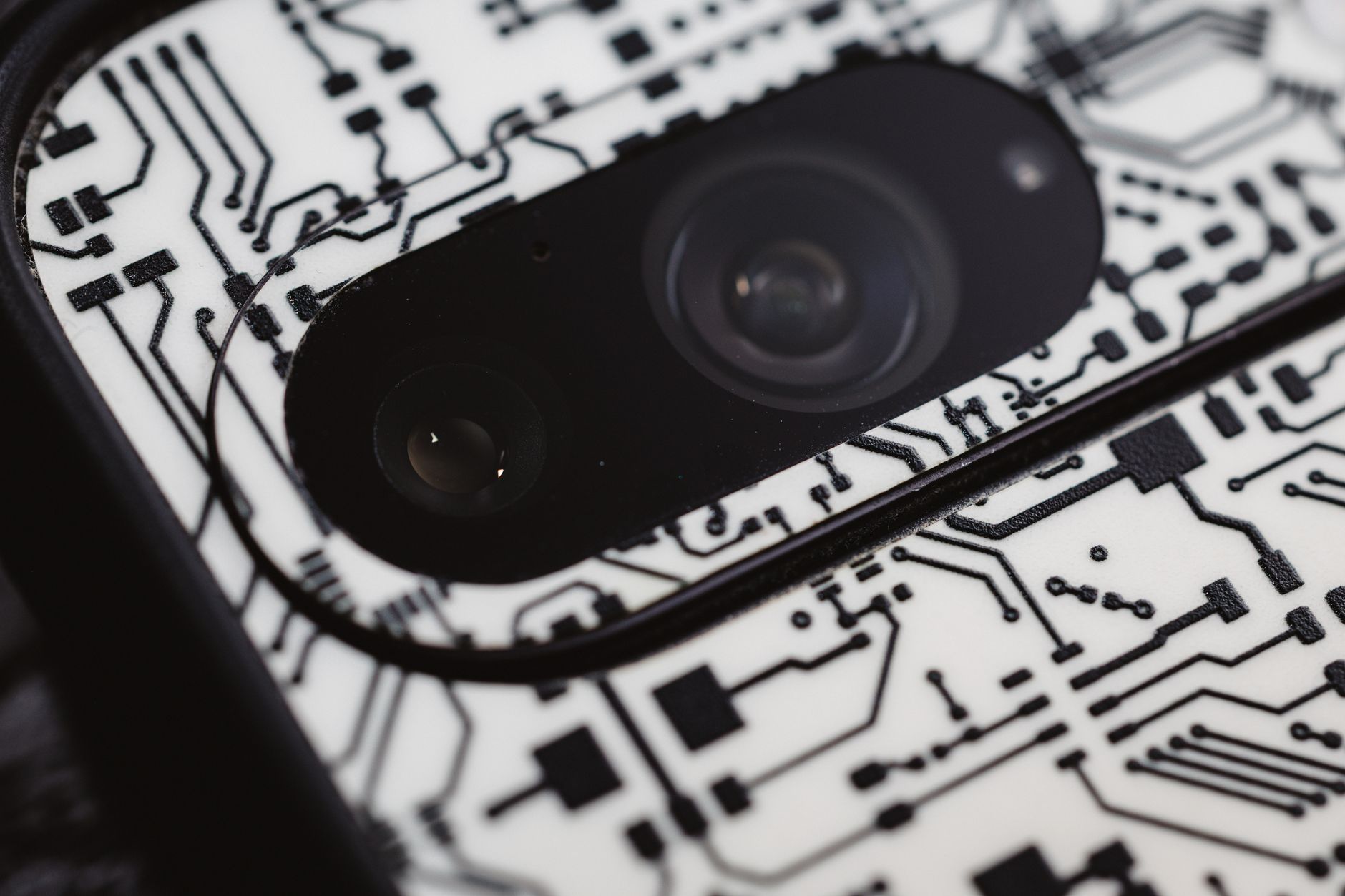
Apple continues to dominate high-end mobile hardware with the iPhone 18 Pro Max, boasting a 2nm processor, advanced camera systems, and faster battery charging speeds. However, the wider smartphone landscape offers powerful alternatives for users seeking premium performance outside of Apple's ecosystem. Finding a genuine competitor requires looking beyond raw specs to evaluate software polish, carrier availability, and overall hardware synergy.
Samsung's Galaxy S26 Ultra stands out as the most viable Android counterpart to Apple's top-tier device. Equipped with a Snapdragon 8 Elite Gen 5 processor, up to 16GB of RAM, and a vibrant display featuring the Privacy Display function, the S26 Ultra delivers robust performance for multitasking and media consumption. While Apple maintains an edge in raw processing speeds with the A20 Pro chip and undisputed video recording quality, Samsung matches the iPhone's mainstream accessibility and carrier reach.
Other alternatives face distinct limitations in direct comparisons. Google's Pixel 11 Pro XL provides a clean hardware and software integration, but its Tensor G6 processor struggles to keep pace in demanding everyday tasks. Meanwhile, international options like the Xiaomi 18 Pro Max offer aggressive hardware specifications and the newer Snapdragon 8 Elite Gen 6 chip, yet lack widespread carrier distribution in North America and fall short of Samsung's software refinement with One UI.
As rumors point toward future releases like the upcoming Galaxy S27 Ultra—which is expected to feature upgraded camera processing and the Gen 6 processor—the rivalry between Apple and Samsung remains firmly entrenched. For now, consumers looking for the ultimate Android experience to rival Cupertino's finest continue to look toward Samsung's Ultra lineup.




Comments