
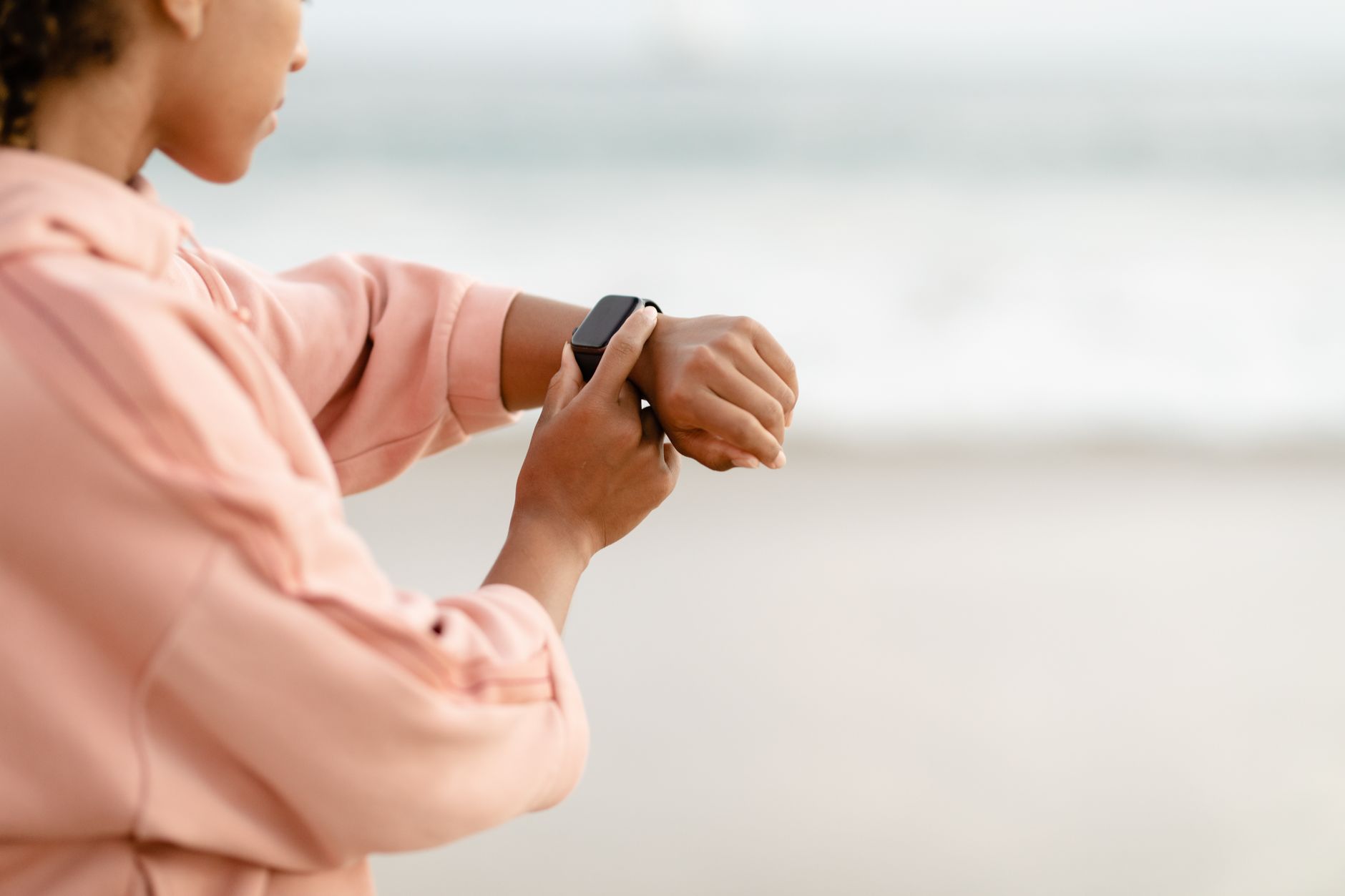
Heart rate variability has quickly become one of the most talked-about metrics in modern wearable technology. When a fitness tracker displays a reading of 24 milliseconds alongside a normal resting heart rate, the immediate instinct is often to compare that figure against friends or fitness influencers. However, consumer health devices measure a deeply personal data point that defies universal grading standards. There is no high score to beat, and cross-brand comparisons often fail due to fundamentally different calculation methods. Devices like the Fitbit rely on optical sensors to track the microscopic time differences between individual heartbeats during sleep, rather than measuring electrical activity directly through an electrocardiogram.
The underlying mechanics of this measurement involve the autonomic nervous system, which dictates how the human body reacts to stress and relaxation. Fitbit calculates these fluctuations using a specific formula known as the root mean square of successive differences, derived strictly from the longest sleep period exceeding three hours in a twenty-four-hour window. Because age, genetics, and baseline fitness dictate individual physiology, a reading that indicates optimal health for one person might signal extreme fatigue for another. Tracking how these millisecond variations deviate from a personal thirty-day average provides far more actionable insight than chasing an arbitrary industry benchmark.
Interpreting daily dips requires looking at the broader picture rather than panicking over a single low score. Alcohol consumption, intense physical training, poor sleep hygiene, and emotional stress frequently suppress these scores. While ongoing drops can sometimes align with a plummeting readiness score or impending illness, wearable technology only highlights the physical shift without diagnosing the root cause. Experts recommend using these longitudinal trends to guide recovery days, while keeping in mind that persistent, unexplained anomalies warrant a conversation with a qualified healthcare provider.





Comments