
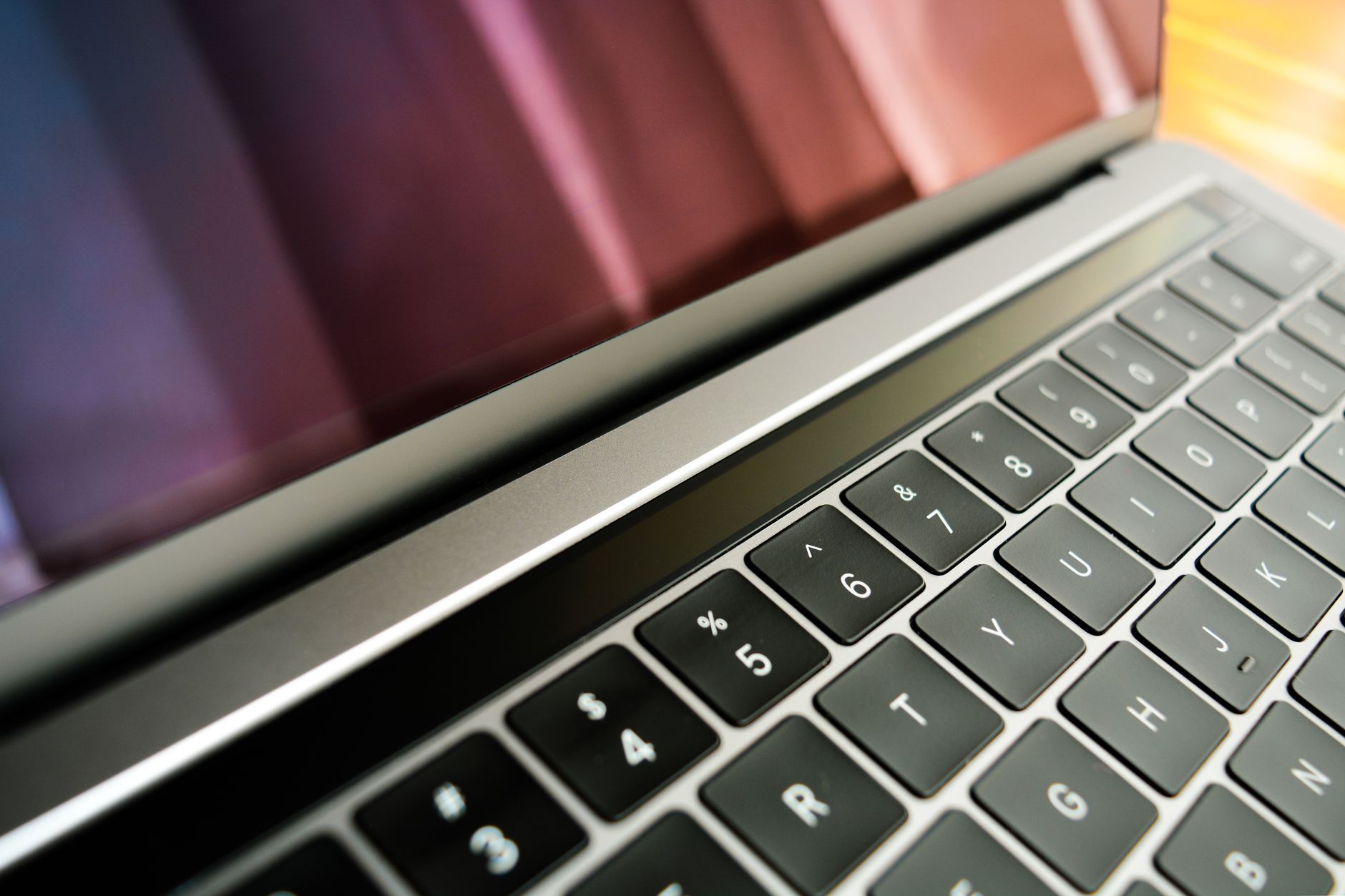
Google is shifting its hardware ambitions toward a hybrid future. During the Android Dev Summit, company engineers revealed that detachable laptops will soon join the ecosystem as the natural successor to traditional clamshells and 360-degree convertibles. This design shift points toward a deeper convergence between mobile operating systems and portable workstation hardware, signaling a distinct change in how developers and consumers might interact with future mobile-powered computing devices.
The hardware conversation around portable computing has long hovered between traditional notebooks and tablet-keyboard hybrids that often compromised performance or software stability. By positioning detachables as the next major hardware phase, the tech giant is heavily betting that Android and ChromeOS architectures can finally deliver a fluid experience when the screen is physically separated from the keyboard base. Developers attending the summit received early briefings on interface adaptations required to handle sudden transitions between desktop productivity states and tablet-first touch inputs.
Industry watchers note that this strategic push could pressure competing hardware makers to rethink their accessory ecosystems. While Microsoft and various Windows original equipment manufacturers have experimented with detachable screens for years, Android's growing footprint on larger screens opens up fresh use cases. Software optimization remains the primary hurdle, as app scaling on detached displays has historically proven unpredictable.
As the hardware pipeline moves forward, early developer tools and design guidelines are expected to roll out over the coming quarters. Whether consumers embrace detachable laptops over traditional convertibles depends heavily on seamless performance and battery longevity. For now, the hardware roadmap suggests that computing boundaries are about to blur even further.
Google Hints at Detachable Form Factors for Next-Gen Laptops



Comments