
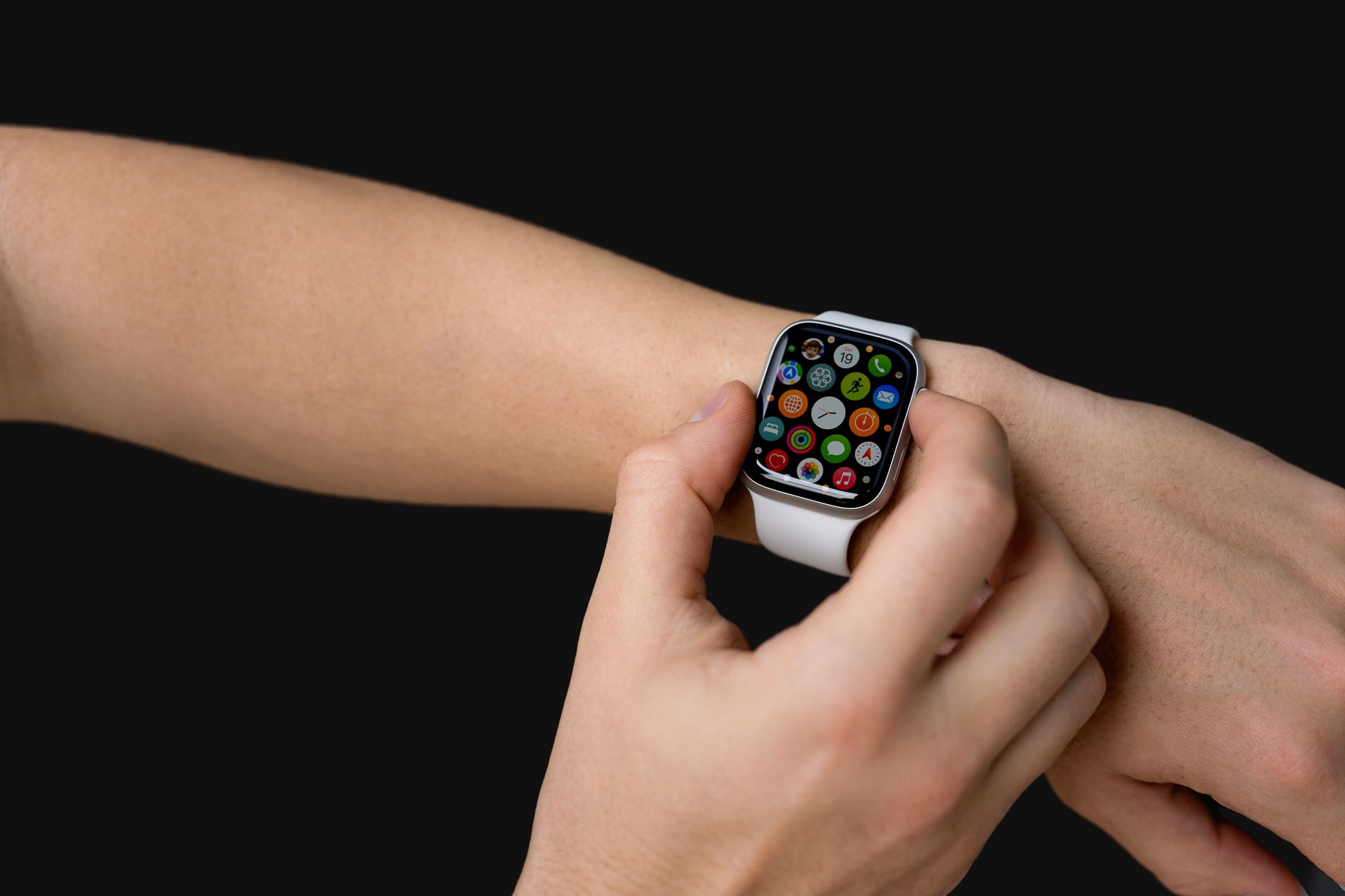
When shopping for a premium Apple Watch, buyers often weigh the distinct material advantages of ceramic and titanium casings. Comparing these high-end finishes reveals several counter-intuitive traits. Titanium models actually incorporate ceramic components in their design, while ceramic itself proves harder than titanium despite titanium being the overall stronger material. Selecting the right casing depends entirely on whether a user prioritizes resistance to heavy impacts or long-term defense against unsightly surface scuffs.
Titanium emerges as the superior choice for buyers seeking resilience against heavy knocks, drops, and concentrated impacts. Coming in at a noticeably lighter 44.9 grams compared to the ceramic version's 51.3 grams, titanium handles the physical wear and tear of active lifestyles with ease. However, it lacks the exceptional scratch resistance found in ceramic builds. For office settings or formal wear where maintaining a pristine, glossy surface matters most, ceramic stands out as the optimal option to keep surface scratches at bay.
Availability also plays a practical role in the decision-making process. Apple previously paused primary ceramic casing production after the Apple Watch Series 5, only to reintroduce the option in Pearl White and Midnight Blue for the Series 12 generation. This leaves ceramic several generations behind titanium in terms of recent-generation abundance. Both materials pair with a sapphire crystal front screen, distinguishing them from the more budget-friendly aluminum alternatives that rely on Ion-X glass. Ultimately, buyers must decide whether they need titanium for rugged resilience or ceramic for a lasting, polished finish.





Comments