
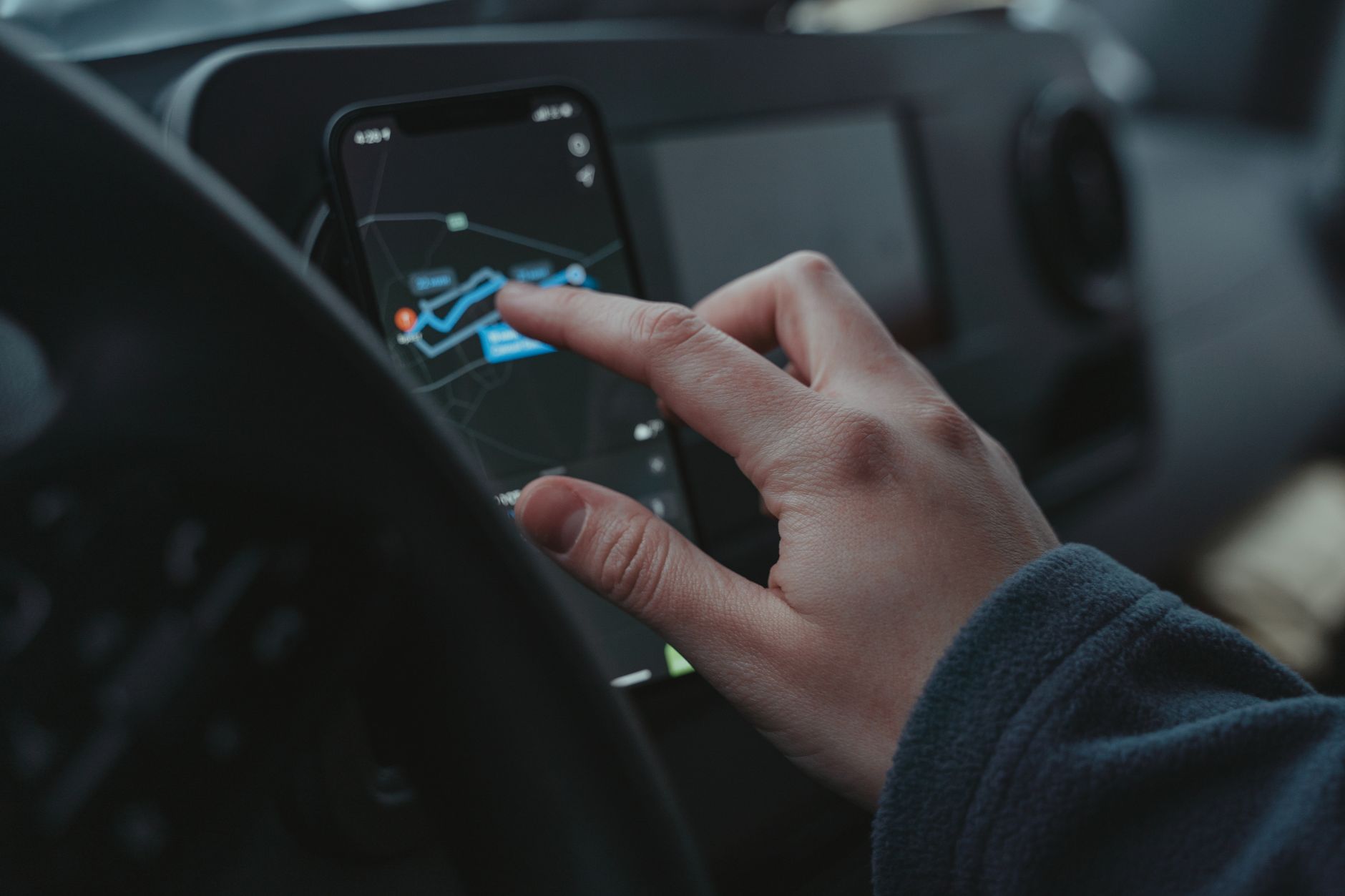
Drivers relying on in-car infotainment displays might assume Google Maps delivers an identical experience regardless of whether an Android phone or an iPhone is plugged into the dashboard. Putting the two systems through rigorous, back-to-back testing in the exact same vehicle tells a different story. While fundamental features like speedometers, lane guidance, and basic alternate routes remain largely consistent across both platforms, real-world usability highlights several distinct advantages for Google's native ecosystem.
One of the most immediate points of divergence involves voice interaction and search management. On Android Auto, users can summon Gemini completely hands-free to handle conversational searches, add multiple stops along a route, and instantly display alternative paths without tapping the screen. While CarPlay eventually surfaces a Gemini button on the interface, it lacks hands-free invocation and handles complex multi-step route adjustments noticeably slower during active navigation.
Interface ergonomics and map exploration also favor Android Auto during everyday driving tasks. When searching for points of interest along an active route, Android Auto presents multiple options simultaneously with ratings and detour times clearly visible. CarPlay relies on a sequential browsing format requiring manual scrolling through previous and next controls. Furthermore, Android Auto supports direct pinch-to-zoom gestures and keeps map controls readily accessible, whereas CarPlay forces drivers into a separate map-control mode where pinch-to-zoom is less responsive.
Electric vehicle owners will find the most critical divide in how the software manages long-distance driving and power consumption. On compatible electric vehicles in the United States, Google Maps on Android Auto integrates deeply with vehicle telemetry to track battery consumption by factoring in road elevation, weather, and traffic data. It dynamically suggests charging stops and calculates accurate arrival battery percentages. Conversely, the iPhone version of Google Maps lacks this advanced energy-aware routing integration for EV charging stops, leaving Android Auto as the more robust navigation companion for modern commuters.





Comments