
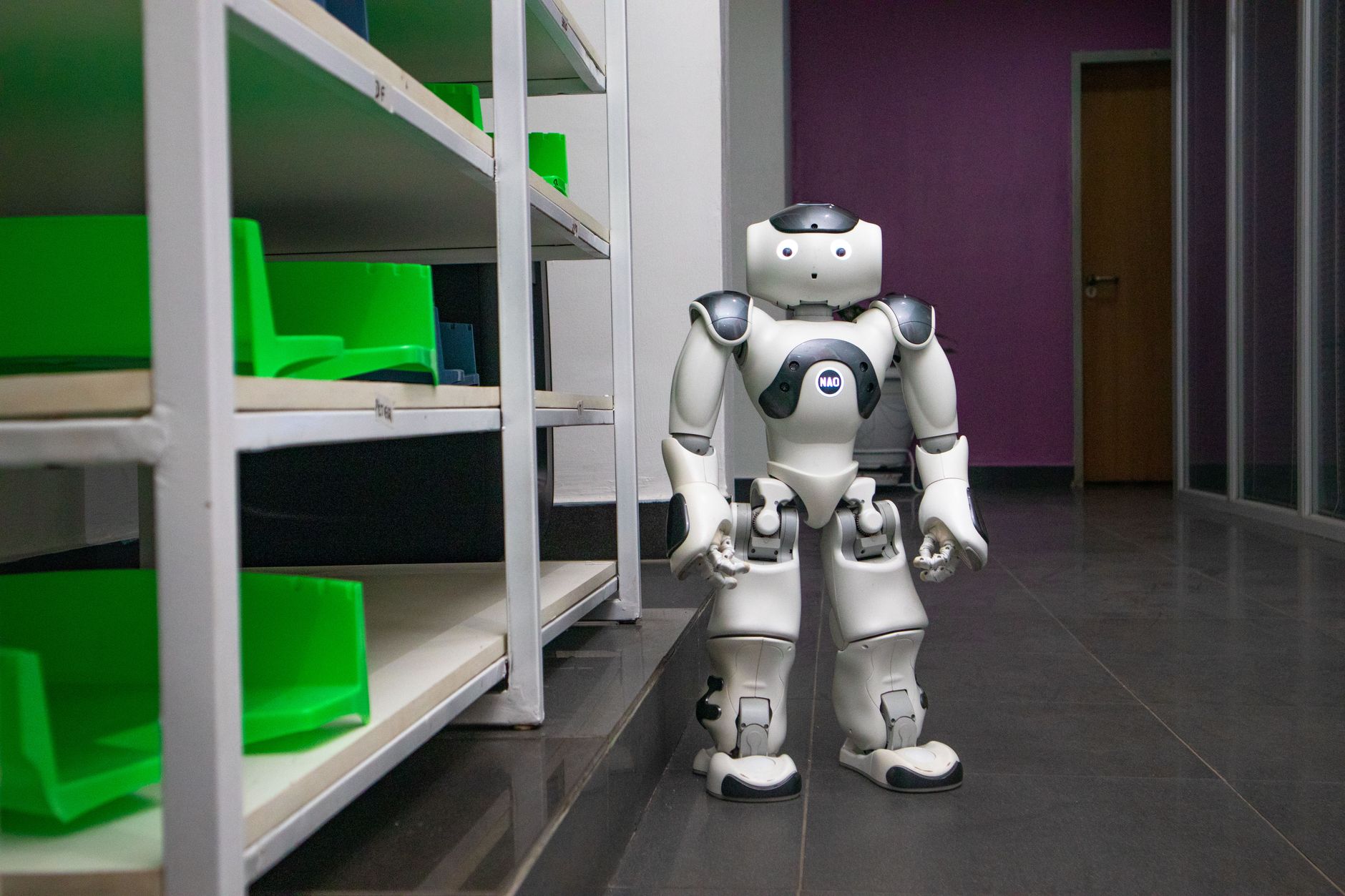
Beijing and manufacturing hubs across China have spent the last half-decade perfecting the actuators, materials, and kinematics required to make humanoid robots walk, run, and manipulate objects with high precision. This hardware dominance has transformed the domestic industrial landscape, yielding dozens of commercially viable robotic chassis that rival Western counterparts in sheer physical agility. Yet, the current bottleneck is no longer mechanical stability. Engineers face a steeper climb in software development, specifically the creation of localized foundation models capable of real-time spatial reasoning and autonomous decision-making.
The transition mirrors the early days of the smartphone market, where sleek device designs quickly became commoditized before software ecosystems dictated market leadership. Venture capital firms and state-backed funds in Shenzhen and Shanghai are aggressively reallocating capital away from hardware manufacturing toward machine learning talent acquisition and proprietary neural network training. Labs are racing to integrate multimodal AI systems that allow machines to interpret messy, unstructured environments and adapt without explicit human programming.
Scaling these cognitive architectures presents unique hurdles, including supply chain restrictions on advanced semiconductors and the sheer computational power needed for embodied AI. Domestic startups are increasingly turning to open-source architectures and custom edge computing chips to bypass these limitations. If Chinese manufacturers successfully bridge the gap between their advanced hardware platforms and sophisticated artificial intelligence, the global balance of power in humanoid robotics could shift decisively eastward within the decade.





Comments