
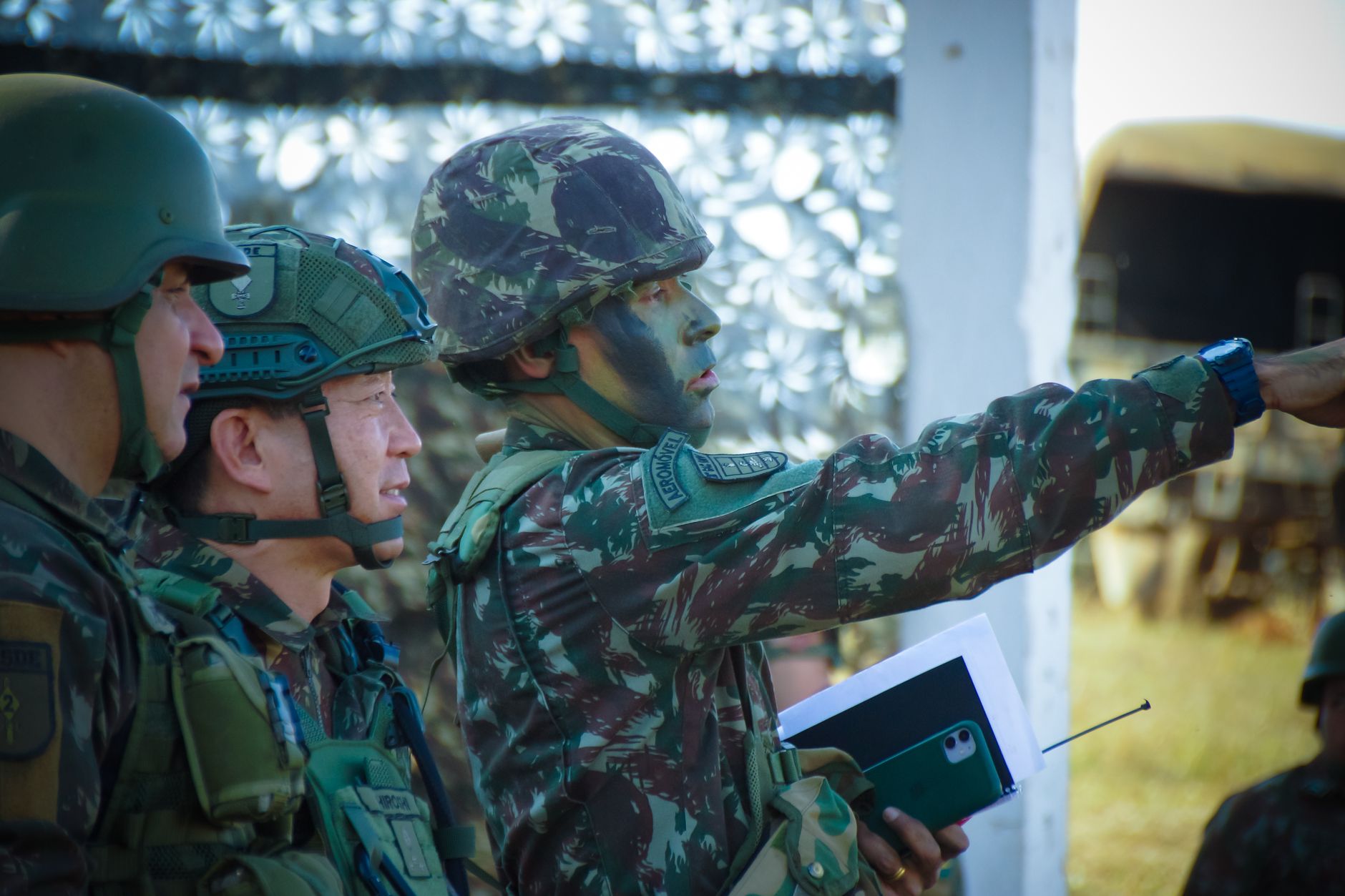
Pakistan is leveraging advanced digital systems and modern training methodologies to maintain a strategic edge over its neighbors. Major General Ahmed Sharif Chaudhry, Director General of the Inter-Services Public Relations (ISPR), made the remarks during a recent media briefing, highlighting a distinct shift toward tech-driven defense frameworks within the country's armed forces.
The emphasis on digitization comes as modern conflicts increasingly rely on asymmetric warfare, cyber capabilities, and real-time intelligence gathering. Regional military strategists have watched closely as both India and Pakistan steadily upgrade their domestic defense technologies, incorporating AI-assisted surveillance, indigenous drone manufacturing, and encrypted communication networks into their core operations.
Observers note that while official statements often highlight superiority, the reality on the ground involves a complex race for technological parity. Cybersecurity threats along the western border with Afghanistan and traditional tensions along the eastern frontier mean that operational readiness now requires more than sheer troop numbers; it demands robust software infrastructure and resilient hardware systems.
As defense budgets increasingly pivot toward electronic warfare and automated defense grids, the technological gap between regional actors will likely narrow or shift rapidly. Military analysts suggest that long-term preparedness will depend less on public declarations and more on continuous R&D investments and domestic semiconductor supply chains.





Comments