
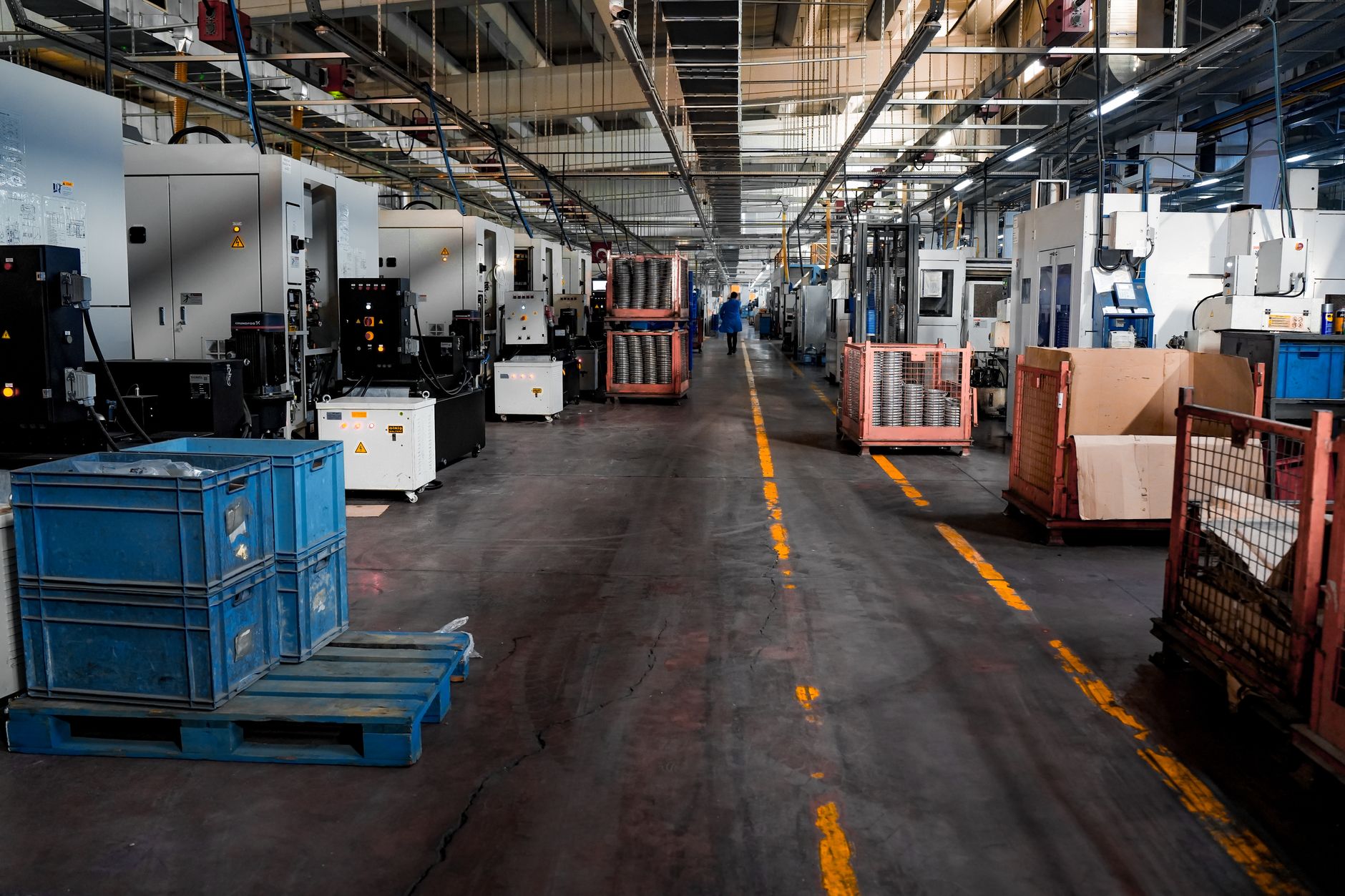
Aerospace manufacturing has long relied on meticulous, manual craftsmanship to build components capable of withstanding the punishing realities of flight. Albany Engineered Composites is rewriting that playbook by scaling automated advanced composite production. The firm is bridging the gap between theoretical material science and high-volume factory floors, targeting critical performance gains for both commercial aviation and defense contractors. Modern aircraft demand materials that shed weight without compromising structural integrity, a challenge that standard metal fabrication simply cannot meet anymore.
At the core of this operational shift is a heavy investment in digital manufacturing systems and tightly integrated supply chains. Rather than treating fabrication and engineering as isolated steps, the company leverages continuous feedback loops from its aerospace partners to refine production yields in real time. This methodology minimizes material waste and cuts down lead times for complex, 3D-woven preforms. Industry analysts note that as airframers face immense pressure to accelerate delivery schedules while shrinking their carbon footprints, suppliers capable of reliable automated output will capture the bulk of future contracts.
Looking ahead, the broader adoption of these advanced composite techniques points to a structural evolution in how heavy transportation hardware is built. As production lines adapt to tighter tolerances and more intricate geometries, the ripple effects will likely spread beyond aviation into automotive and defense sectors. Albany's push demonstrates that the future of heavy engineering relies as much on software-driven factory coordination as it does on raw chemical innovation.





Comments