
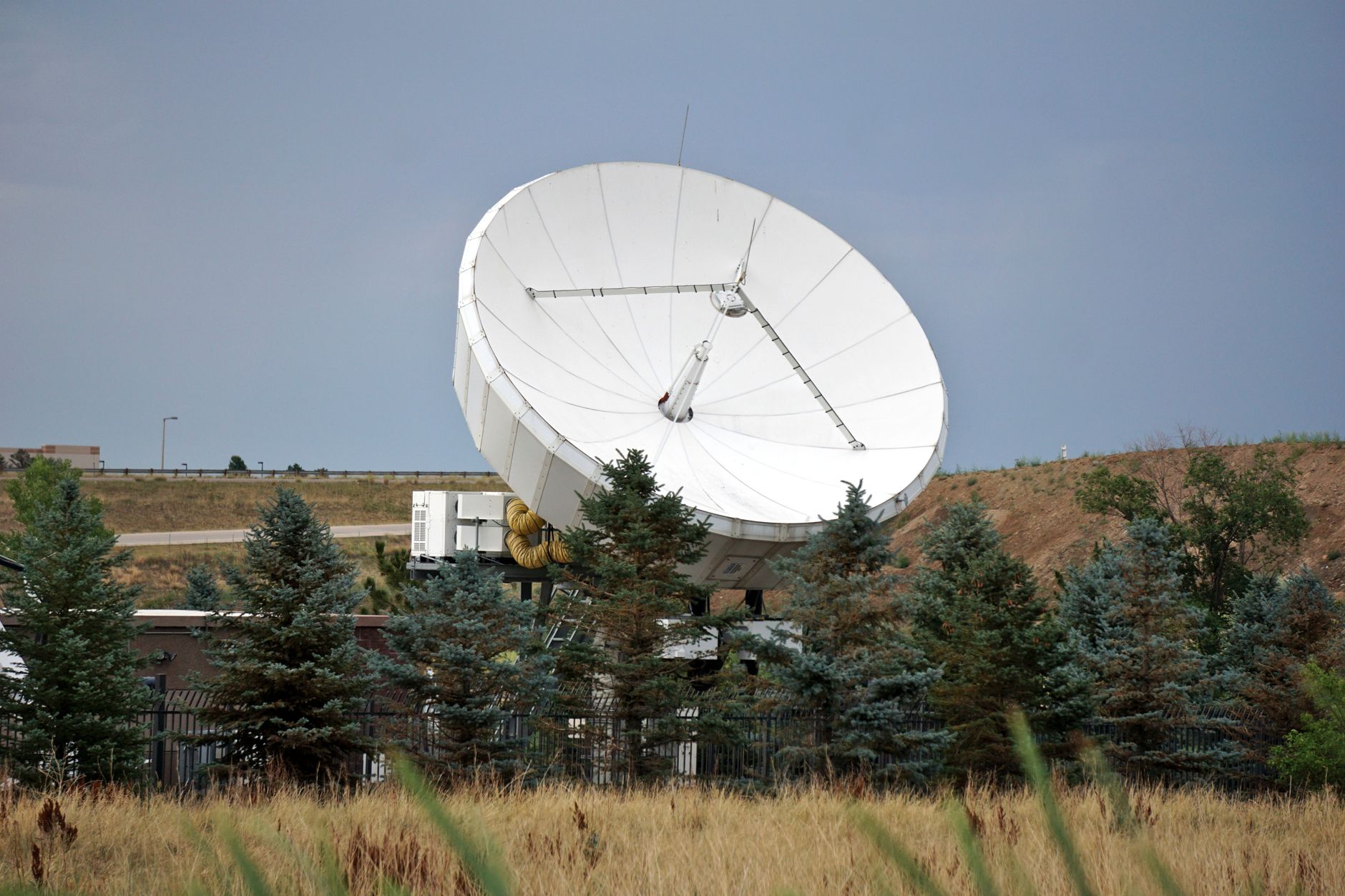
NASA engineering teams successfully reestablished contact with Voyager 1 following an unexpected radio silence that left mission controllers searching for answers. The historic spacecraft, which launched back in 1977, briefly went dark in mid-October when the Deep Space Network failed to detect its radio transmissions during two consecutive communication attempts spaced 24 hours apart. Contact was restored a day later, and investigators soon discovered that an automated safety protocol had tripped, shutting down one group of thrusters and engaging backup systems to stabilize the craft.
This close call occurs as the probe barrels toward an extraordinary milestone of being a full light-day away from Earth, a distance of roughly 16 billion miles. When Voyager 1 reaches this threshold, radio signals will require a full 24 hours to travel in either direction, turning every troubleshooting session or command transmission into a 48-hour round-trip waiting game. Managing a spacecraft at such unprecedented distances demands extreme resourcefulness from the remaining JPL operations team.
Operating on a decaying plutonium power source that loses about four watts of electricity annually, Voyager 1 requires constant conservation efforts to stay online in interstellar space. Engineers recently executed a critical power-saving maneuver to swap out active devices for lower-power alternatives, successfully extending the longevity of the mission. While the hardware continues to show its age deep past the heliosphere, NASA remains committed to squeezing every final drop of scientific data from humanity's farthest-traveling emissary.




Comments