
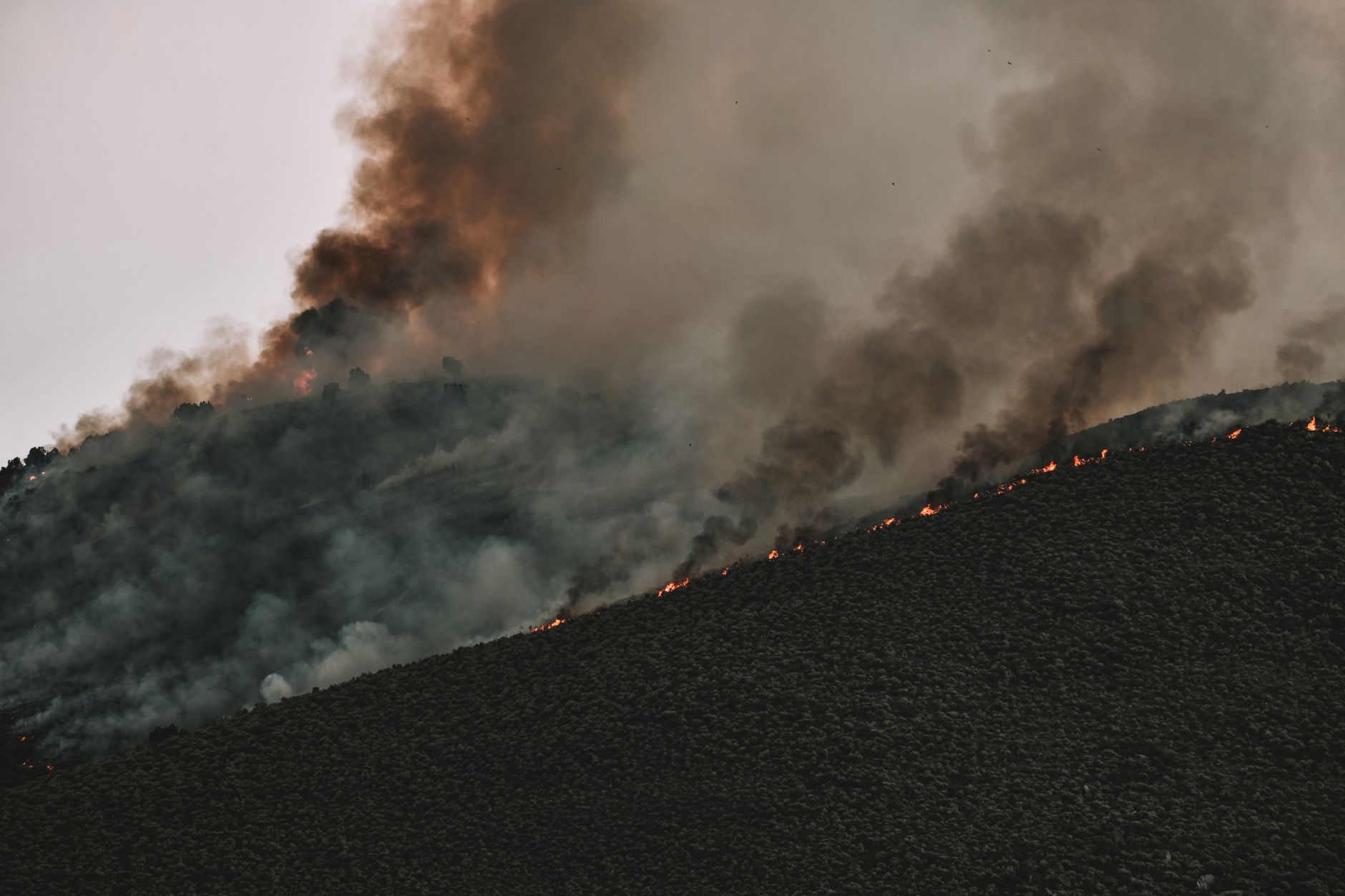
Climate researchers have released a sobering forecast indicating that the number of American buildings at risk of destruction from wildfires is on a steep trajectory to triple by 2060. The predictive model accounts for ongoing global temperature increases and shifting precipitation patterns, mapping a worst-case scenario where hundreds of thousands of structures face direct threats in expanding wildland-urban interfaces.
Decades of aggressive fire suppression policies combined with prolonged droughts have created a severe ecological imbalance across vast stretches of North America. As sprawling residential developments push deeper into forested terrain and rural ecosystems, the intersection of human habitation and highly flammable vegetation creates a volatile environment. Local emergency services and municipal planners are increasingly overwhelmed by the sheer scale of modern blazes, which burn hotter and move faster than historical baselines suggest.
Mitigating this looming structural crisis requires a fundamental shift in zoning laws, building codes, and community-level preparation. Experts emphasize that retrofitting existing properties with fire-resistant materials, clearing defensible space around perimeters, and restricting new construction in high-risk zones can dramatically reduce losses. Without substantial policy interventions and localized adaptation strategies, communities across the western and southern United States face staggering economic and infrastructural devastation in the coming decades.




Comments