
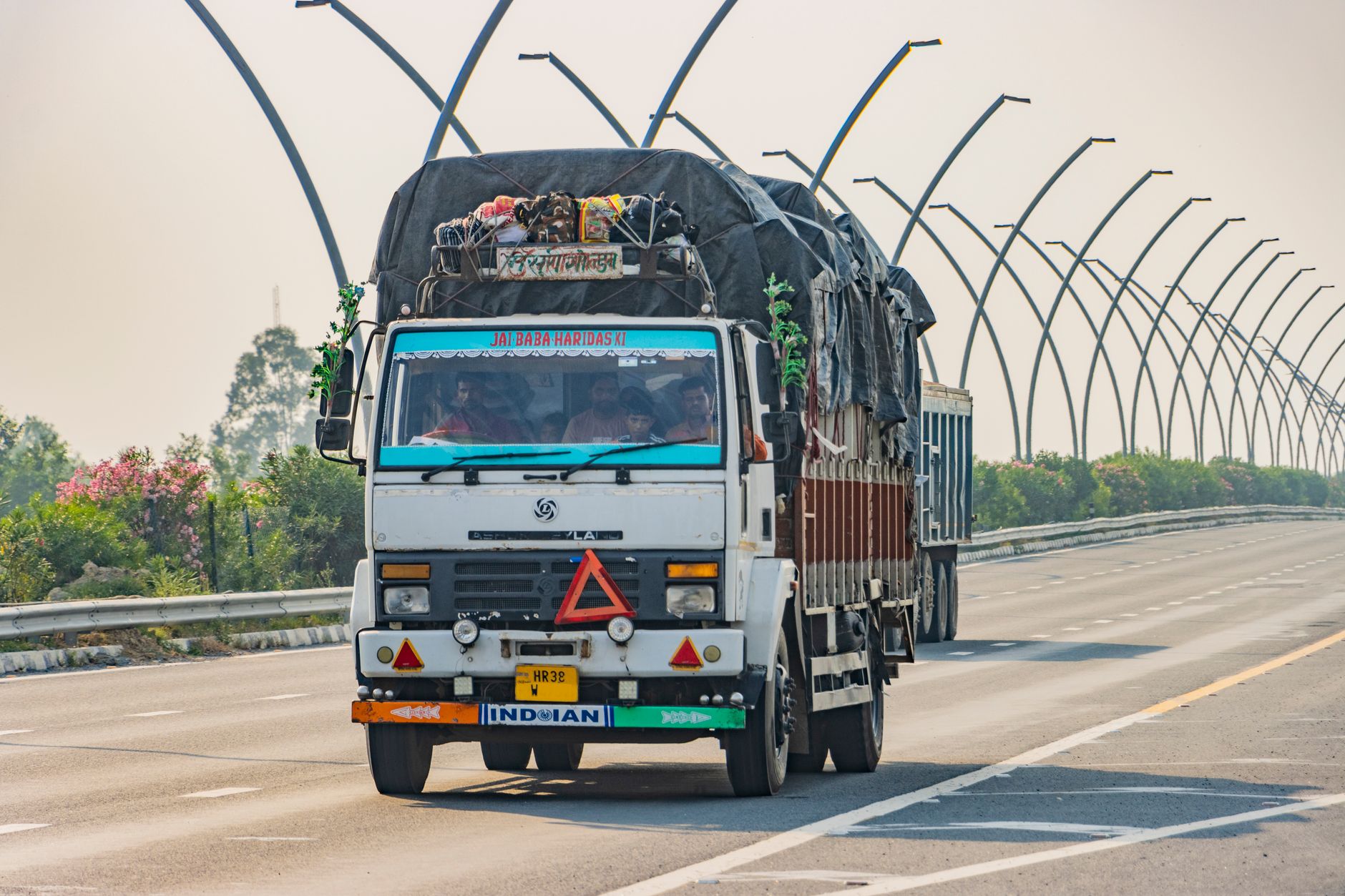
Logistics networks are grappling with a persistent structural flaw as fresh supply chain data indicates that almost half of all shipping containers hauled by commercial trucks travel entirely empty. This systemic waste highlights deep inefficiencies in global freight management, directly contradicting corporate sustainability goals and inflating logistics costs for major enterprises. The imbalance stems from fluctuating trade deficits, regional demand spikes, and the constant scramble to reposition standard metal boxes where exporters need them most.
Decades of optimization in maritime shipping failed to resolve the final-mile dilemma on land. Freight forwarders frequently prioritize speed over consolidation, dispatching rigs to meet tight delivery windows regardless of return-load availability. While automated dispatch systems and digital freight brokerages attempt to bridge this communication gap, fragmentation across independent trucking fleets continues to hinder cargo matching. Small-scale operators often lack the shared data infrastructure required to secure return loads efficiently, leaving thousands of heavy-duty vehicles burning diesel while hauling dead weight.
Environmental repercussions of this empty-container epidemic demand immediate attention from regulators and industry leaders alike. Heavy transport contributes heavily to global carbon emissions, and burning fuel to move empty steel boxes accelerates climate impact without generating economic value. Addressing the shortfall will require aggressive adoption of interoperable freight-sharing platforms, smarter port scheduling, and regulatory incentives that penalize preventable empty runs. Until logistics providers bridge the information silos dividing maritime terminals, rail yards, and regional trucking operators, millions of trucks will continue traversing highways with nothing to show for it.





Comments