
For centuries, retail was a purely transactional, physical experience. You went to a store, found what you needed, paid a clerk, and left. The dawn of the internet introduced e-commerce, separating the transaction from the physical location, but often at the cost of the tactile, immersive experience of traditional shopping. Today, the lines between the digital and physical worlds are completely dissolving. Retail technology is no longer just about making a sale; it is about creating a hyper-personalized, frictionless, and deeply engaging consumer journey.
The modern retail ecosystem leverages advanced artificial intelligence, computer vision, and spatial computing to understand exactly what a customer wants, often before the customer even knows it themselves. It is a massive technological shift aimed at eliminating every possible point of friction between desire and acquisition.
Cashierless Stores and Computer Vision
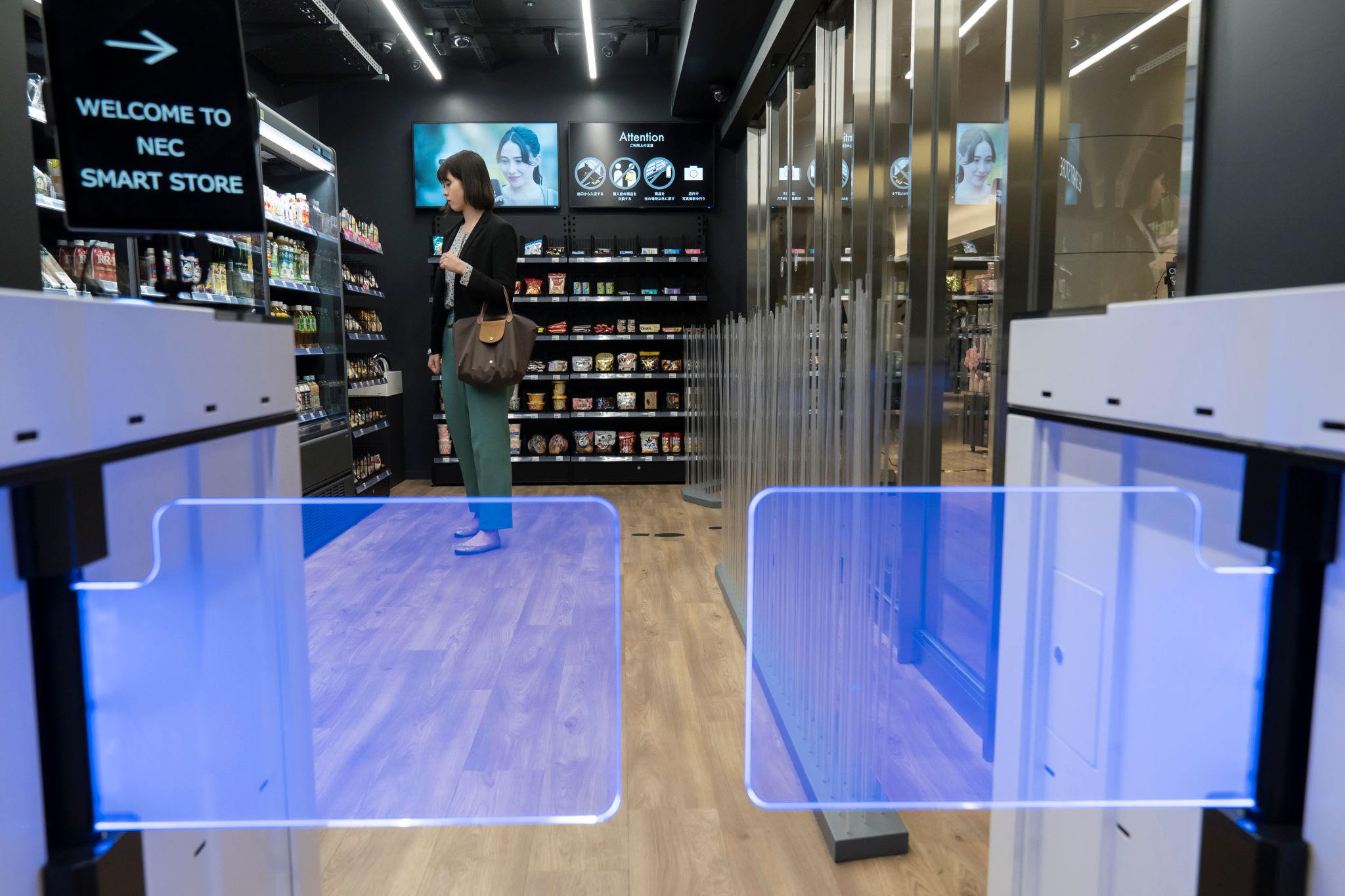
The most visible transformation in physical retail is the complete elimination of the checkout line.
- "Just Walk Out" Technology: Pioneered by Amazon Go and now being adopted by major grocers globally, cashierless stores rely on an incredibly dense network of ceiling-mounted cameras and shelf-weight sensors. When a customer walks in, they scan a QR code from their retail app.
- Sensor Fusion: As the customer moves through the store, computer vision algorithms track their skeletal structure (anonymously) and monitor every item they pick up or put back down. The shelf sensors confirm the exact weight change.
- Seamless Transaction: When the customer is done, they simply walk out the door. The system automatically tallies their virtual cart and charges their digital wallet, completely bypassing the traditional point-of-sale friction.
Augmented Reality (AR) and Virtual Try-Ons
One of the biggest hurdles for e-commerce, particularly in fashion and cosmetics, is the inability to try before you buy. This leads to massive return rates, which eat into profit margins and create logistical nightmares. AR is solving this directly.
- Spatial Mapping for Furniture: Using the LiDAR sensors built into modern smartphones, customers can map their living room and drop a highly accurate, scaled 3D model of a couch into their space. They can walk around it, check the color against their lighting, and ensure it fits before ordering.
- Facial Tracking for Cosmetics and Eyewear: Advanced AR filters use deep learning to map dozens of points on a user's face. Customers can "try on" different shades of lipstick or different frames of glasses in real-time, with the digital overlay responding perfectly to their facial expressions and lighting conditions.
- Virtual Fitting Rooms: Apparel retailers are deploying AR mirrors in physical stores and AR sizing apps online. By inputting basic measurements and utilizing the phone's camera, the AI can simulate how specific fabrics and cuts will drape over a customer's unique body type, significantly boosting conversion rates.
Hyper-Personalization and Predictive Merchandising
Retailers possess mountains of data, but until recently, they struggled to make it actionable. Now, AI is turning that data into bespoke shopping experiences.
- Algorithmic Curation: When you log into a modern e-commerce platform, the homepage is uniquely generated for you. Machine learning models analyze your past purchases, browsing history, time spent hovering over certain images, and demographic data to curate a feed of products you are statistically most likely to buy.
- Dynamic Pricing: E-commerce giants use AI algorithms that constantly scrape competitors' prices, monitor supply chain disruptions, and analyze current demand to adjust the prices of millions of items in real-time, optimizing for the highest possible margin at any given millisecond.
- Inventory Prediction: Retailers use predictive analytics to ensure the right product is in the right store at the right time. An AI might analyze local weather forecasts, local event schedules, and social media trends to predict a sudden surge in demand for umbrellas or a specific brand of sunscreen in a specific zip code, automatically adjusting the supply chain weeks in advance.
The Omnichannel Ecosystem
The dichotomy between "online" and "offline" shopping is dead. Consumers expect a unified, continuous experience.
- BOPIS and BORIS: "Buy Online, Pick Up In-Store" (BOPIS) and "Buy Online, Return In-Store" (BORIS) require total real-time integration of inventory management systems. If an item is purchased online for local pickup, the digital inventory must immediately reflect that change to prevent double-selling.
- Unified Customer Profiles: A customer might interact with a brand via an Instagram ad, browse the mobile app, visit a physical store, and finally purchase on a desktop computer. Advanced Customer Data Platforms (CDPs) stitch all these touchpoints together, ensuring that the sales associate in the physical store knows exactly what items the customer left in their digital cart the night before.
The Outlook
The future of retail is invisible and ubiquitous. As AR glasses replace smartphones and smart home devices learn our consumption habits, shopping will shift from a conscious task to a seamless, automated background process of our daily lives, where the products we need simply arrive exactly when we need them.





Comments