
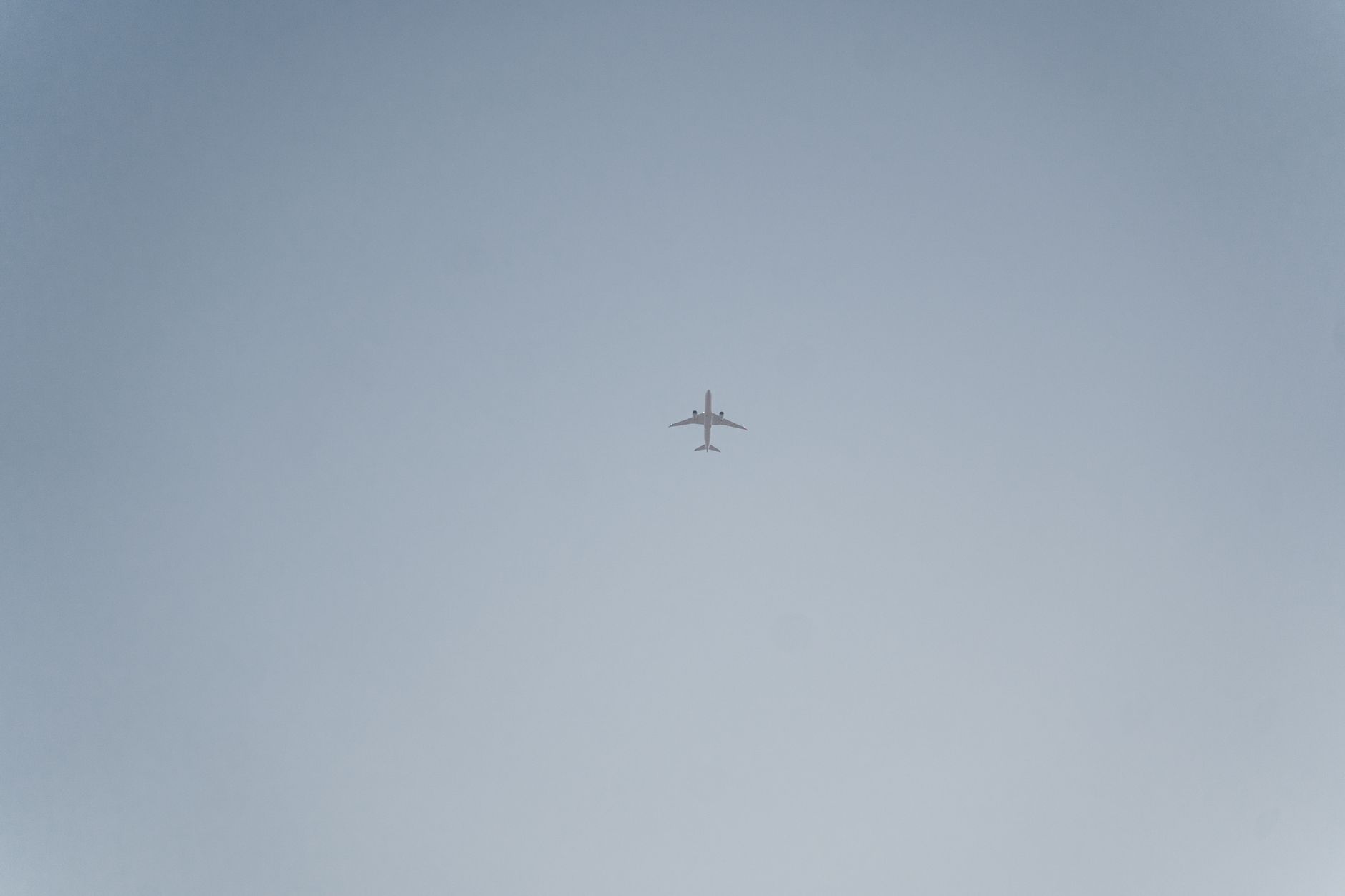
Content creators and privacy advocates alike may need to rethink their ambient audio footprint following a demonstration by YouTuber Colsto. Known for tracking down hidden locations from album covers and online videos, the creator developed a technique that reveals the geographic coordinates of an unidentifiable recording simply by analyzing faint audio traces of passing aircraft. The method relies heavily on physics and publicly accessible aviation telemetry, turning background noise into a precise tracking tool.
The process starts by looking at Doppler curves, which visually map how an aircraft's sound frequency shifts as it travels overhead. While human ears might only pick up ambient sounds or birdsong in a low-resolution recording, microphones often capture the low-frequency audio produced by propeller aircraft traveling overhead. By generating a spectrogram of the audio, investigators can isolate these faint acoustic signatures and match them against historical flight databases like the OpenSky Network, which collects Automatic Dependent Surveillance–Broadcast data.
Because commercial and private aircraft frequently transmit their position, velocity, and altitude, massive amounts of movement data remain accessible to the public. However, matching a single audio file to a global flight path creates an overwhelming haystack of possibilities. Colsto bypassed this by analyzing the specific shape of the Doppler curves, which encode data about a plane's velocity, distance, and whether the aircraft was accelerating, climbing, or altering its heading during the recording.
By modeling potential curves and comparing them against actual recorded data, the verification process can narrow tens of thousands of candidate coordinates down to a single exact spot. While the technique requires a baseline knowledge of when a video was recorded and works best in regions with dense air traffic data like the United States, it serves as a stark reminder that even seemingly empty background noise can leak sensitive location data.




Comments