
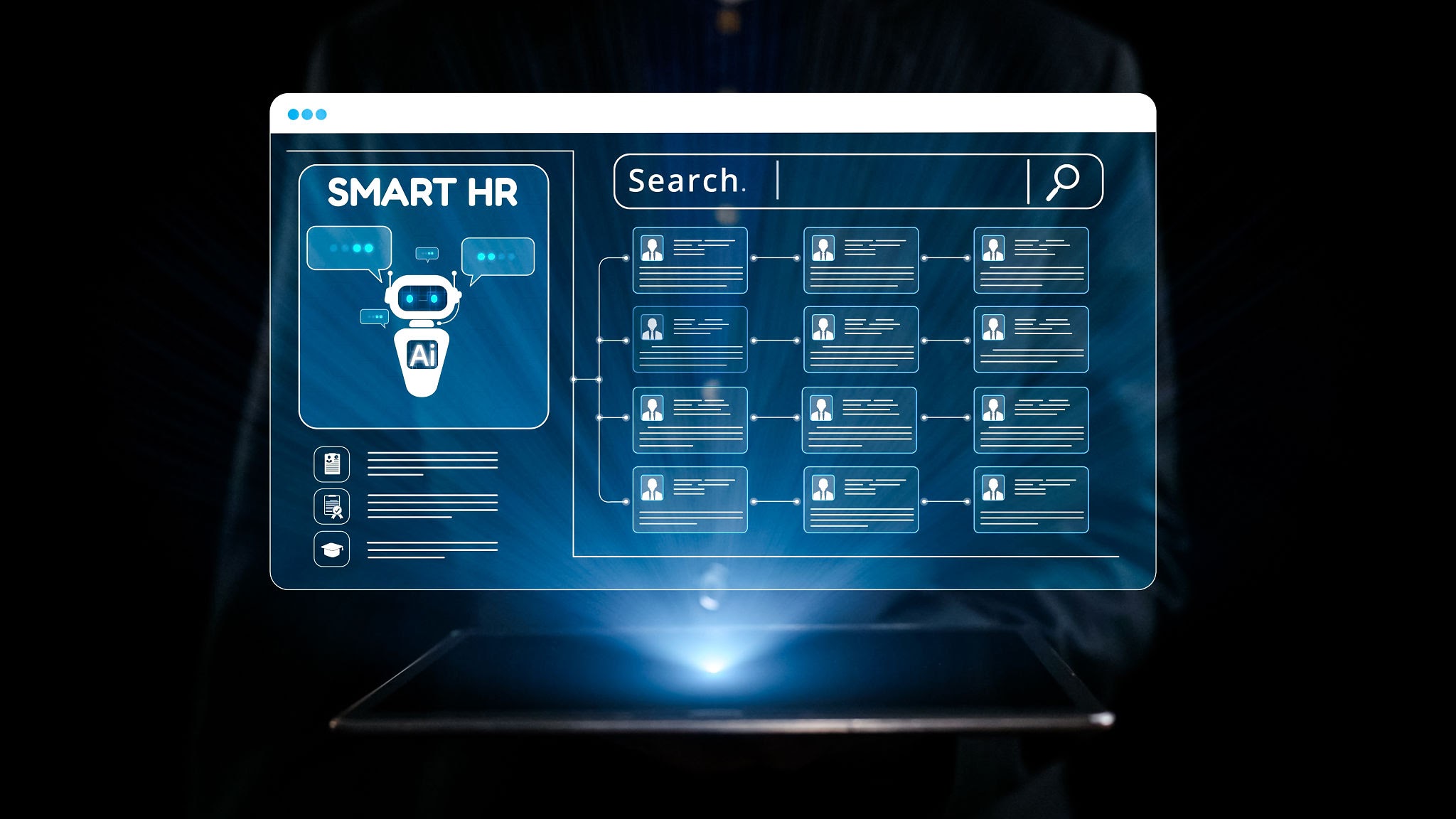
For decades, Human Resources was viewed primarily as an administrative function—managing payroll, enforcing compliance, and filing performance reviews. The hiring process relied heavily on subjective "gut feelings," and employee retention was largely a guessing game. Today, the modern workplace has been completely digitized, and HR has evolved into "People Operations," a highly strategic, data-driven discipline.
Human Resources Technology (HRTech) is leveraging artificial intelligence, predictive analytics, and immersive technologies to fundamentally change how companies attract, hire, train, and retain talent in a fiercely competitive global market.
AI in Talent Acquisition and Sourcing
The sheer volume of applications a modern enterprise receives makes manual resume screening impossible. AI has stepped in to automate and optimize the top of the hiring funnel.
- Programmatic Job Advertising: Instead of blindly posting jobs on traditional boards, HR teams use programmatic advertising algorithms. These systems analyze historical data to predict exactly which niche forums, social media networks, or coding communities a specific type of candidate frequents, automatically purchasing ad space to target passive candidates who aren't even actively looking for a job.
- Algorithmic Screening: Applicant Tracking Systems (ATS) now utilize Natural Language Processing (NLP) to parse resumes. Instead of just looking for simple keyword matches (which candidates easily game), modern AI understands context. It can infer that a candidate who managed a "high-availability distributed database" possesses the skills required for a "cloud infrastructure engineering" role, even if the exact keywords don't match.
- Conversational AI Agents: Chatbots act as the first line of engagement. They can answer candidate questions 24/7, schedule initial screening calls by integrating directly with hiring managers' calendars, and conduct preliminary text-based interviews to assess baseline qualifications before a human recruiter ever gets involved.
People Analytics and Predictive Retention
The most expensive problem in HR is employee turnover. Replacing a highly skilled worker can cost up to 200% of their annual salary. HRTech is shifting retention from a reactive apology to a proactive intervention.
- Predictive Attrition Models: By ingesting thousands of data points—compensation ratios, time since last promotion, commute distance, and even the sentiment of internal communications (anonymized)—machine learning algorithms can predict which specific employees are statistically most likely to quit within the next six months.
- Targeted Interventions: Armed with this data, HR can intervene before the employee hands in their resignation. If the algorithm flags a high-performing software engineer as a flight risk due to wage stagnation and a long commute, management can proactively offer a targeted retention bonus and flexible remote-work options.
- Organizational Network Analysis (ONA): ONA tools map the informal digital communication networks within a company (who emails or messages whom most frequently). This reveals the "hidden influencers"—employees who might not hold management titles but are critical nodes for information flow and team morale. Identifying and retaining these linchpin employees becomes a strategic priority.
Immersive Onboarding and VR Training
The transition from a new hire to a fully productive employee is historically slow and expensive. Immersive technology is drastically accelerating this learning curve.
- Virtual Reality (VR) Simulations: For high-stakes or physically dangerous roles, VR is a game-changer. Retail workers can use VR to practice de-escalating angry customers during Black Friday rushes. Manufacturing line workers can learn complex assembly procedures in a risk-free digital environment before ever stepping onto the loud, fast-paced factory floor.
- Standardized Global Culture: For massive multinational corporations, ensuring a consistent onboarding experience is difficult. A new hire in Tokyo and a new hire in London can both put on a VR headset and sit in the exact same virtual auditorium, receiving a welcome address and cultural immersion from the CEO, ensuring a unified corporate identity.
The Double-Edged Sword of Algorithmic Bias
While AI brings immense efficiency, the HRTech sector is currently wrestling with the severe ethical implications of algorithmic bias.
- Inherited Prejudice: AI models are trained on historical hiring data. If a company historically favored hiring male candidates from specific Ivy League universities, the AI will learn that pattern and actively penalize female candidates or those from state schools, effectively automating and scaling past prejudices.
- Bias Mitigation Algorithms: In response, the newest wave of HRTech focuses on "ethical AI." These platforms actively scrub identifying information (names, ages, zip codes, graduation years) from resumes before they reach hiring managers, focusing purely on skill assessments and competency mapping to level the playing field and enforce true meritocracy.
The Outlook
The integration of technology into HR is not about replacing the "human" element; it is about augmenting it. By offloading the massive administrative burden of scheduling, screening, and compliance to algorithms, HR professionals are freed to focus on the deeply human aspects of the job: empathy, culture building, and complex conflict resolution.





Comments