
Insurance is fundamentally the business of pricing risk. For centuries, this pricing was based on actuarial tables—historical averages that grouped people into broad, generalized risk pools based on their age, gender, or zip code. This analog model was inherently imprecise; safe drivers subsidized reckless ones simply because they shared the same demographic bracket.
Insurance Technology (InsurTech) is destroying this generalized model. By leveraging the Internet of Things, artificial intelligence, and massive real-time data streams, the industry is shifting from a model of "detect and repair" to "predict and prevent." InsurTech is making coverage hyper-personalized, dynamically priced, and, in some cases, entirely automated.
Telematics and Usage-Based Insurance (UBI)
The most aggressive shift in property and casualty insurance is the move away from proxy data (like your credit score) toward actual behavioral data.
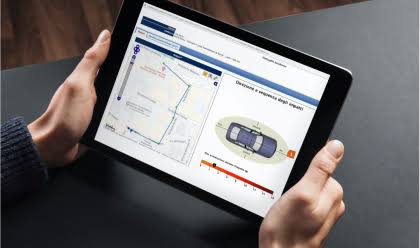
- Pay-How-You-Drive (PHYD): Auto insurers now rely on telematics—data transmitted either through a dongle plugged into the car's diagnostic port or directly from the driver's smartphone sensors. The system tracks hard braking, rapid acceleration, cornering speed, and late-night driving.
- Dynamic Pricing: Instead of paying a flat annual premium, a driver’s rate is adjusted dynamically each month based on their actual behavior. If you drive safely, your premium drops. This creates a direct financial incentive for safer behavior, ultimately reducing the overall frequency of accidents.
- The "Connected Home": Homeowners insurance is following the exact same path. Insurers offer heavy discounts to customers who install smart water leak detectors, IoT smoke alarms, and connected security systems. If a pipe bursts while the homeowner is on vacation, the smart valve automatically shuts off the water main and instantly notifies the insurer, turning a potential $50,000 claim into a $500 cleanup.
Parametric Insurance and Smart Contracts
Traditional insurance is indemnity-based: you suffer a loss, an adjuster investigates the damage, you argue over the value, and months later, you receive a payout. Parametric insurance bypasses this entirely.
- Data-Triggered Payouts: Parametric insurance does not insure the damage; it insures the event. A policy is tied to a specific, objective data metric provided by an independent third party. For example, a farmer might buy a parametric policy that pays out if local rainfall drops below 2 inches in the month of July.
- Automated Execution via Blockchain: These policies are often written as smart contracts on a blockchain. If the National Weather Service's API reports that rainfall was only 1.5 inches, the smart contract automatically executes and deposits the funds into the farmer's bank account instantly. There are no claims to file, no adjusters to send, and zero administrative friction.
AI-Automated Claims Processing
The claims process is traditionally the most painful touchpoint in the insurance lifecycle. AI and computer vision are automating it entirely.
- Computer Vision Appraisals: If a driver gets into a fender bender, they no longer need to wait a week for a human claims adjuster to look at the car. The driver simply opens the insurer's app and takes a video of the damage. Deep learning algorithms, trained on millions of images of crashed cars, instantly analyze the video.
- Instant Settlement: The AI can identify the exact make and model of the car, isolate which specific quarter panels are dented, cross-reference current localized parts and labor costs, and generate a repair estimate in seconds. The app then offers the user an instant cash settlement or directly books the car into an approved local body shop, resolving the claim in minutes.
Predictive Underwriting and Hyper-Personalization
In life and health insurance, the underwriting process historically involved lengthy medical exams and blood tests. Today, continuous health data is replacing the point-in-time snapshot.
- Wearable Integration: InsurTech companies are integrating with Apple Watches, Fitbits, and continuous glucose monitors. Policyholders who opt-in allow the insurer to track their daily steps, resting heart rate, and sleep quality.
- Continuous Underwriting: In exchange for this granular data, users receive lower premiums and dynamic rewards (like free gym memberships or grocery discounts) for hitting health milestones. The insurer transforms from a passive payer of death benefits into an active partner in the policyholder's longevity and wellness.
The Outlook
The insurance industry is transitioning from a slow, adversarial safety net into a proactive, data-driven shield. By harnessing telematics and AI, InsurTech is not just paying out claims more efficiently; it is actively working to prevent the accidents, leaks, and illnesses from happening in the first place.





Comments