
For centuries, mining was defined by brute force, extreme physical danger, and significant environmental degradation. It was an industry of pickaxes, dynamite, and heavy diesel machinery. Today, however, humanity is facing a massive paradox: to build a sustainable, green-energy future (electric vehicles, wind turbines, solar panels), we must extract more rare earth metals, lithium, and copper in the next three decades than we have in all of human history.
To meet this staggering demand without destroying the planet in the process, the extraction sector is undergoing a massive digital overhaul known as "Mining 4.0." The modern mine is transitioning from a dark, hazardous cavern into a highly connected, automated, and precision-engineered data environment.
Autonomous Haulage and Robotics
The most visible transformation in modern open-pit mining is the removal of the human operator from heavy machinery.
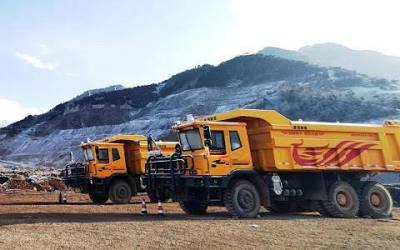
- Self-Driving Behemoths: Mining companies are deploying fleets of massive, 400-ton autonomous haul trucks. Guided by high-precision GPS, LiDAR, and radar, these trucks navigate treacherous, constantly changing dirt roads with centimeter-level accuracy.
- Continuous Operation: Unlike human drivers, autonomous trucks do not suffer from fatigue, need shift changes, or take lunch breaks. They can operate safely 24/7, maximizing the extraction yield while drastically reducing the accident rate associated with heavy machinery collisions.
- Automated Drilling: Beyond hauling, the drilling process itself is becoming robotic. Autonomous drill rigs use AI to adjust their torque and downward pressure in real-time based on the exact density of the rock they are cutting through, optimizing drill bit lifespan and ensuring perfectly placed explosive charges.
Geological AI and Precision Exploration
Historically, finding a profitable ore deposit involved a significant amount of guesswork, leading to thousands of invasive, expensive, and environmentally damaging exploratory drill holes.
- Algorithmic Prospecting: Today, geologists feed massive datasets into machine learning algorithms. By analyzing satellite imagery, historical core samples, magnetic resonance data, and subtle topological variations, AI can identify the exact "fingerprint" of a lithium or gold deposit deep underground.
- Reduced Footprint: This precision targeting means mining companies only drill where they know the ore is, drastically shrinking the physical footprint of the exploration phase and saving hundreds of millions of dollars in wasted capital expenditure.
The Connected Worker and Underground IoT
Underground mining remains one of the most hazardous work environments on Earth. The Internet of Things (IoT) is turning the subterranean mine into a transparent, monitored ecosystem to ensure absolute worker safety.
- Wearable Telemetry: Miners are equipped with smart helmets and biometric vests that track their heart rate, body temperature, and exact location in the 3D space of the mine.
- Ambient Sensors: The mine shafts themselves are lined with IoT sensors that continuously monitor air quality, detecting microscopic spikes in methane or carbon monoxide long before they become lethal, automatically triggering ventilation systems and evacuation alarms.
- Predictive Cave-Ins: Micro-seismic sensors embedded in the rock walls listen to the acoustic stress of the earth. AI analyzes these micro-fractures to predict structural failures or cave-ins days before they happen, allowing operators to reinforce the shaft or clear the area.
Sustainable Extraction and Digital Twins
Water usage and toxic tailings (the waste rock left over after extraction) are the two greatest environmental liabilities of the mining sector. Technology is mitigating both.
- Digital Twin Optimization: Operators create a complete "digital twin" of the physical mine. They use this virtual replica to simulate exactly how water and slurry will flow through the processing plant, allowing them to optimize the system to recycle up to 90% of the water used in extraction.
- Ore Sorting via X-Ray: Instead of crushing and chemically treating massive amounts of useless rock, advanced conveyors use X-ray transmission (XRT) sensors to scan every individual rock as it passes. High-speed pneumatic jets instantly blast the waste rock off the belt, ensuring that only high-grade ore enters the energy-intensive crushing and chemical extraction phases.
The Outlook
The mining industry is shedding its analog, hazardous past. By embracing artificial intelligence, robotics, and hyper-connectivity, the sector is transforming into a precision-manufacturing operation—one capable of sustainably sourcing the foundational elements required to build the future of human technology.





Comments