
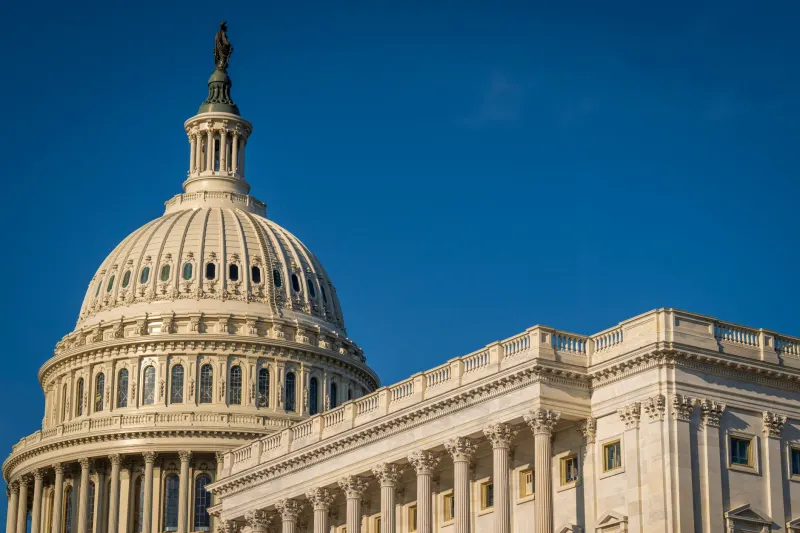
The incoming Democratic-led Congress is widely expected to strip the political gilding from Donald Trump's signature defense proposal, which is known colloquially as the Golden Dome. Legislative shifts on Capitol Hill mean that this ambitious defense initiative will likely face immediate scrutiny, branding adjustments, and strategic modifications once lawmakers officially take office. Political analysts and defense insiders note that the overarching project will undergo significant legislative processing as the balance of power shifts in Washington.
While the fundamental operational concepts behind the proposal may survive the transition of power, the explicit association with the former president's preferred terminology is almost certain to disappear from official records, committee reports, and upcoming budget bills. Sources close to the matter have explicitly stated that whatever the defense system ends up being called, it will certainly not carry the title of the Golden Dome.
Key takeaways
- The upcoming Democratic-led Congress is projected to alter Donald Trump's Golden Dome proposal.
- Political observers indicate that the defense initiative will lose its current branding and title.
- Sources close to the matter affirm that the defense system will not be called the Golden Dome.
Shifting political dynamics on Capitol Hill
The transition in congressional control carries direct implications for high-profile defense initiatives originally championed by the previous administration. Lawmakers on both sides of the aisle are preparing to evaluate active military infrastructure and strategic defense proposals through a distinct legislative lens shaped by the new majority. This institutional realignment routinely results in the renaming and rebranding of major federal projects to better align with the governance priorities of the current congressional leadership.
Legislative leaders have already signaled their intent to closely review ongoing defense spending and associated nomenclature as part of the broader budgeting cycle. As the legislative process moves forward, the primary focus will likely shift away from political branding and toward rigorous technical feasibility, strategic necessity, and resource allocation. Officials familiar with upcoming congressional agendas suggest that the administration's favored moniker is positioned to be among the very first casualties of the shifting political landscape in Washington.
Furthermore, committee assignments and leadership changes within the relevant defense panels will grant incoming members unprecedented authority to reshape the initiative from the ground up. This structural overhaul guarantees that the program will be subjected to rigorous oversight, potentially altering its implementation timeline and budgetary scope significantly over the coming legislative sessions.
What the future holds for the defense initiative
Despite the anticipated name change and the removal of the original political branding, the underlying operational framework of the defense project remains subject to ongoing legislative debate. Congressional defense committees will ultimately determine how much funding the initiative receives and how it is integrated into broader national security strategies moving forward. Political observers will be watching closely to see how the impending rebranding effort impacts public perception, inter-branch relations, and overall bipartisan support for the program as it moves through upcoming committee hearings and floor votes.
Ultimately, the institutional friction between Capitol Hill and executive priorities will dictate the pace and nature of these modifications. As the new Congress establishes its operational rhythm, the fate of the Golden Dome serves as a prime example of how shifts in legislative power can quickly alter the nomenclature and presentation of major federal defense investments.







Comments