
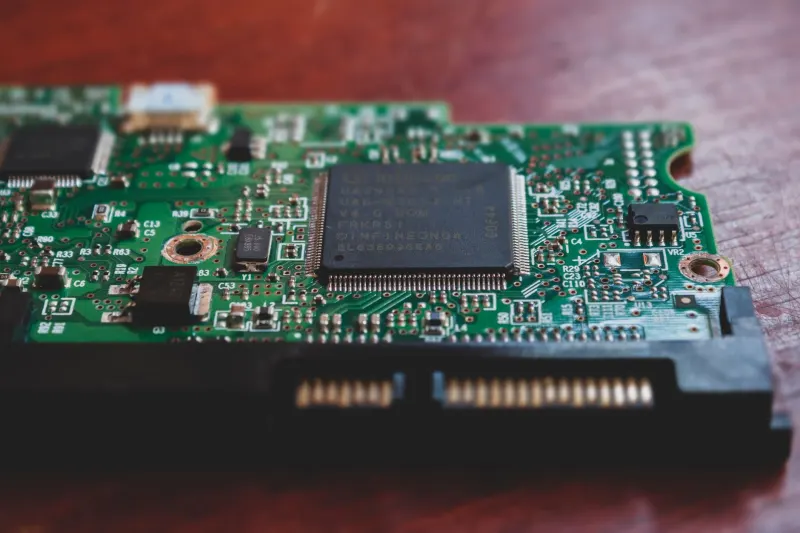
Internal corporate documents reviewed by Bloomberg reveal that Chinese artificial intelligence startup Moonshot has been actively renting top-tier Nvidia AI chips to support its computational infrastructure. The arrangement highlights the ongoing strategies employed by domestic firms to access restricted high-performance hardware despite stringent export controls and regulatory barriers imposed on the Chinese market. As regulatory frameworks tighten around the global distribution of advanced microprocessors, domestic startups face distinct hurdles in acquiring the silicon necessary to train large language models and complex algorithms.
Moonshot's reliance on rental models demonstrates how local industry players secure vital computing power without direct, long-term procurement paths. By leasing high-end processors rather than buying them outright, firms manage overhead while bypassing certain direct purchase obstacles. The documents reviewed by Bloomberg provide a rare window into the operational realities of China's artificial intelligence sector, shedding light on the intricate mechanisms companies use to maintain momentum.
Key takeaways
- Moonshot is utilizing rental agreements to obtain Nvidia chips in China.
- Internal documents reviewed by Bloomberg confirm the hardware deployment.
- The transactions shed light on workarounds for US semiconductor export restrictions.
Inside the Hardware Strategies of Chinese AI Labs
While major global tech giants build out massive data centers with direct hardware ownership, Chinese companies frequently navigate secondary markets, cloud-sharing arrangements, and specialized leasing agreements to maintain competitive training speeds for their proprietary systems. These operational workarounds underline the extraordinary lengths to which regional developers must go in order to remain competitive on the global stage. Without uninterrupted access to cutting-edge hardware, scaling up large language models becomes an exponentially more difficult engineering challenge.
The documents outline how Moonshot incorporates these rented resources into its daily workflow, ensuring that engineers can continue developing complex neural networks without facing immediate supply chain halts. Such leasing frameworks act as a crucial buffer for regional players who find themselves caught between surging domestic demand for generative AI and severe international limitations on direct chip sales.
Broader Implications for the Semiconductor Supply Chain
The reliance on rented hardware underscores the persistent demand for Nvidia's cutting-edge architecture across the globe, even inside heavily regulated territories. Export controls implemented by Western governments aimed to stem the flow of advanced computing technology into mainland China, yet intricate supply chains and rental frameworks continue to facilitate access to these critical resources. Industry observers note that as long as domestic demand for generative artificial intelligence models outpaces the availability of sanctioned local alternatives, companies like Moonshot will likely continue exploring alternative procurement channels.
Market analysts are closely watching regulatory responses to these leasing loops, as lawmakers ponder whether to further restrict secondary rental markets and cloud-based access to advanced foreign silicon. The outcome of these policy debates could reshape how international semiconductor trade operates and force Chinese AI labs to accelerate the development of domestic hardware alternatives. Until viable local silicon emerges at scale, alternative procurement methods will remain a cornerstone of China's tech ecosystem.




Comments