
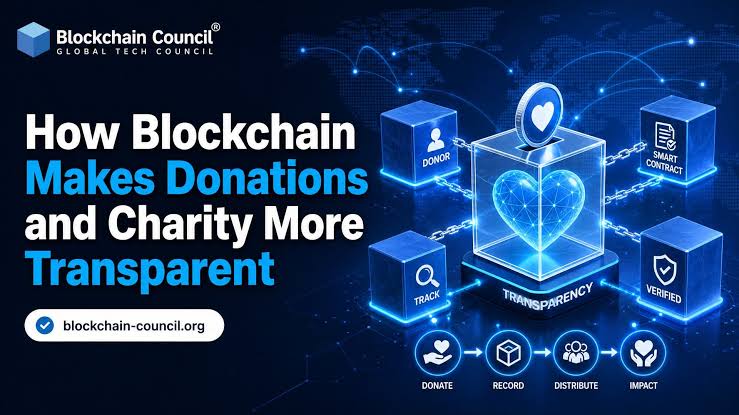
Philanthropy and global aid have historically suffered from a profound crisis of trust. When a donor gives money to a massive international NGO, there is often a lingering fear that a significant percentage of that donation will be swallowed by administrative overhead, lost in inefficient supply chains, or, in the worst cases, siphoned off by corrupt local intermediaries. The impact of a single dollar has always been incredibly difficult to track.
Today, "Tech for Good" is systematically dismantling this opacity. By integrating blockchain architecture, decentralized finance (DeFi), and advanced predictive analytics, the philanthropic sector is transforming from a system of blind trust into one of verifiable, data-driven impact. Technology is ensuring that capital flows faster, cheaper, and directly to the communities that need it most.
Blockchain and Immutable Transparency
The most significant technological leap in modern philanthropy is the adoption of Distributed Ledger Technology (DLT), commonly known as blockchain.
- Public Ledgers: When a donation is made via a blockchain platform, every subsequent movement of that money is recorded on a public, unalterable ledger. A donor can literally track their $100 from their digital wallet, through the NGO's distribution network, all the way to the end beneficiary.
- Bypassing Corrupt Intermediaries: In disaster zones or developing nations with unstable financial infrastructures, traditional bank transfers are slow, expensive, and vulnerable to interception by corrupt officials. Blockchain allows funds to bypass legacy banking entirely, transferring value directly to the mobile wallets of the affected citizens in seconds.
- Smart Contract Execution: NGOs are utilizing smart contracts to automate aid. Instead of sending a lump sum of cash to a local contractor to build a well, the funds are locked in a digital escrow. The smart contract automatically releases the first 25% of the funds only when GPS and photo data verify that the drilling equipment has arrived on-site, ensuring accountability at every milestone.
Crypto-Philanthropy and Decentralized Autonomous Organizations (DAOs)
The rise of cryptocurrency has created a new, hyper-agile class of global donors. The friction of international giving—currency conversion fees, wire delays, and tax complexities—is being eliminated.
- Borderless Giving: During recent geopolitical conflicts, traditional financial rails were often frozen or destroyed. However, global citizens were able to instantly send millions of dollars in Bitcoin and Ethereum directly to digital wallets managed by local resistance groups and medical teams, bypassing paralyzed central banks.
- Philanthropic DAOs: A Decentralized Autonomous Organization (DAO) acts like a digital, community-run foundation. Instead of a few wealthy board members deciding where grant money goes, thousands of micro-donors pool their cryptocurrency into a DAO. Every donor gets a voting token, and the community votes algorithmically on which global projects should receive funding, democratizing the grant-making process.
AI for Predictive Aid and Crisis Forecasting
Historically, global aid has been reactive: a hurricane hits, a famine breaks out, and then the international community scrambles to raise funds and ship food. AI is shifting the sector from reactive relief to predictive staging.
- Famine Prediction Models: AI algorithms ingest massive datasets—including satellite imagery of crop yields, localized weather patterns, global commodity prices, and even local livestock health data. These models can predict a severe food shortage in a specific region of Sub-Saharan Africa up to six months before the famine actually hits.
- Pre-emptive Resource Staging: Armed with this predictive data, NGOs can purchase grain while prices are still stable and stage supplies in regional warehouses before the crisis peaks. This proactive approach saves millions of dollars in emergency logistics and, more importantly, saves lives by ensuring aid is already there when the need arises.
Data-Driven Impact Tracking
Donors are no longer satisfied with glossy brochures showing smiling children; they demand verifiable Return on Investment (ROI) for their charitable dollars.
- Biometric Identity for Refugees: In massive refugee camps, distributing aid efficiently without a central database is nearly impossible. Organizations like the UNHCR use biometric iris scanning to give undocumented refugees a secure, digital identity. This ensures that food rations and medical supplies are distributed fairly and prevents identity fraud or hoarding within the camps.
- Long-Term Outcome Tracking: Mobile technology allows NGOs to conduct continuous, low-cost surveys via SMS. Instead of just reporting that they "built 50 schools," an NGO can continuously track attendance rates, test scores, and community health metrics over five years, providing donors with hard data proving the long-term, systemic impact of their investment.
The Outlook
The integration of technology into philanthropy is elevating charitable giving from a purely emotional act into a highly optimized, strategic investment in human capital. By guaranteeing transparency and predicting crises before they occur, Tech for Good is ensuring that every dollar donated achieves its maximum possible impact.





Comments