
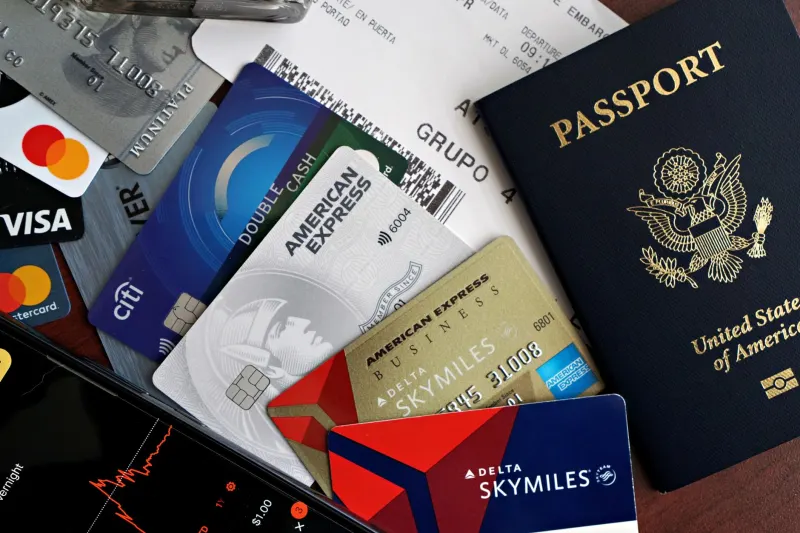
United Airlines has taken a firm stance against the automation wave by declaring that it will not permit personal AI assistants to complete flight bookings on its platform. While automated agents can still display available flight options to users, they are strictly barred from processing transactions or finalizing ticket purchases on behalf of travelers. Company leadership highlighted that while the volume of travelers attempting to use AI bots for bookings remains low so far, the potential risks involving security regulations and personal data safety necessitate a proactive block.
The decision stems from a combination of strict federal compliance rules and consumer protection worries. Airlines are legally required to collect specific disclosures and attestations directly from passengers, such as confirming that their luggage contains no hazardous materials or explosives. Industry executives worry that autonomous software loops could bypass these mandatory steps, creating severe regulatory compliance failures. Furthermore, companies fear that unauthorized digital agents could inadvertently expose sensitive account information or execute unintended financial purchases for consumers.
Key takeaways
- United Airlines will block personal AI assistants from purchasing passenger tickets.
- The airline cited consumer privacy concerns and federal safety regulations regarding bag attestations.
- CEO Scott Kirby stated he does not want to create an unwanted digital middleman.
- Other digital platforms like eBay and major financial institutions are also restricting AI agent access.
Industry resistance and digital middlemen
United CEO Scott Kirby addressed the evolving technological shift during an industry event, emphasizing a reluctance to add unnecessary layers between the airline and its passengers. To be honest, management noted a desire to avoid introducing new intermediaries into the direct booking ecosystem. Although tools like Meta’s Muse and OpenAI’s Dots continue to expand in capability, major consumer platforms are increasingly pushing back against unvetted software agents accessing their transaction pipelines.
United is far from alone in placing guardrails around automated software. Similar friction is appearing across multiple industries, including banking and e-commerce. Online marketplace eBay recently appeared to shut the door on third-party AI scrapers and browsers, while several major banking institutions have deployed strict limitations to prevent automated agents from interacting directly with user accounts.
Future outlook and potential policy shifts
Despite current restrictions, the airline has indicated that its stance is not necessarily permanent. As artificial intelligence technology matures and security frameworks improve, the company could revisit its policies regarding automated booking interfaces. Establishing robust protective measures for travelers remains the primary prerequisite before any integration of third-party software can be safely considered.
As businesses across diverse sectors grapple with how to handle autonomous web agents, the tension between user convenience and regulatory compliance continues to escalate. For now, travelers relying on emerging personal assistants will need to manually complete their transactions when booking travel through the carrier.






Comments