
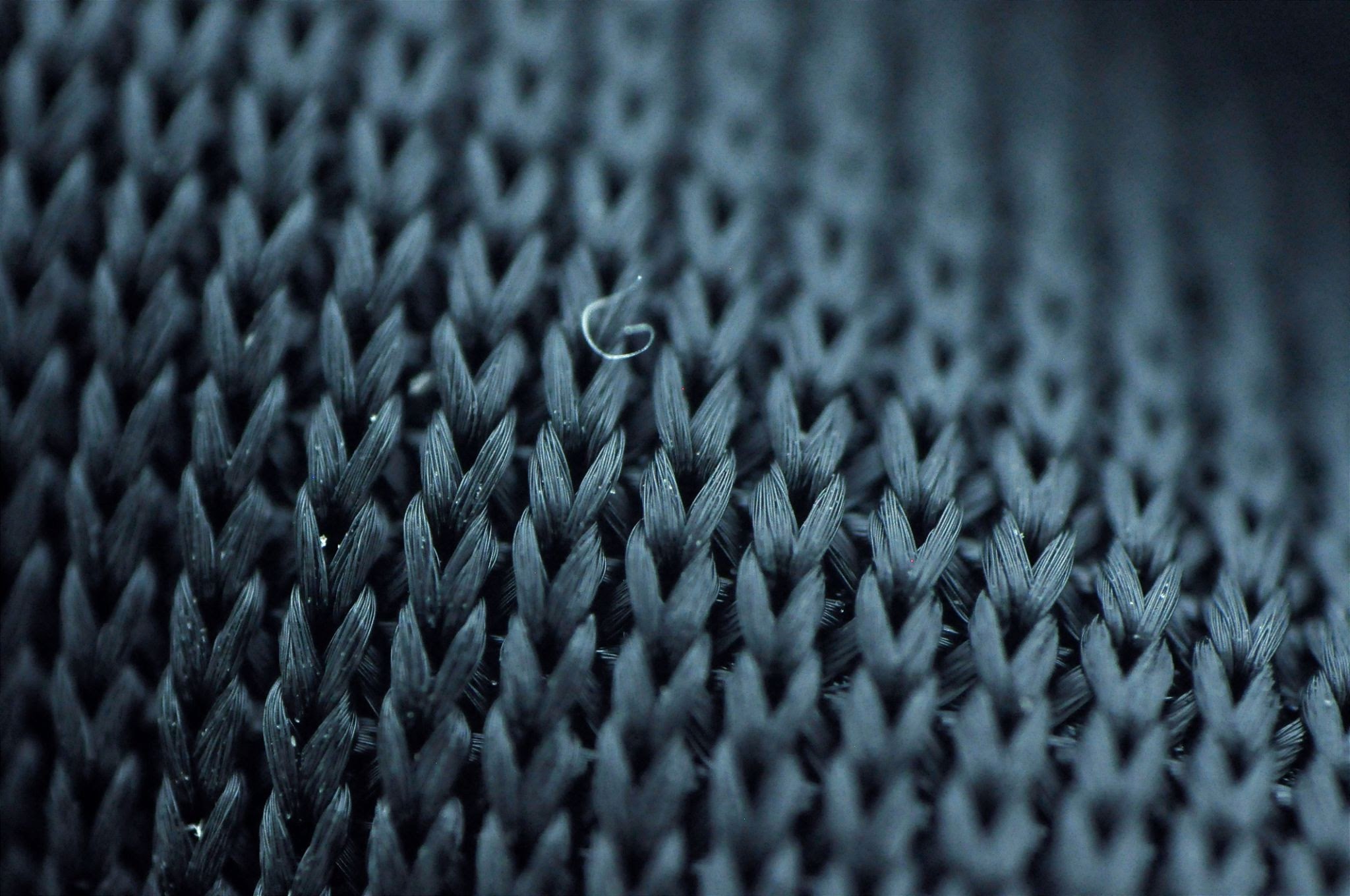
For thousands of years, the textile industry was bound to the structural limitations of natural fibers: cotton, wool, silk, and flax. The industrial era introduced synthetic petroleum-based polymers like nylon and polyester, which added durability and elasticity but at a severe environmental cost and with static functionality. For generations, a piece of clothing or a structural fabric performed exactly one basic task: shielding a body or an object from the elements.
Today, that passive paradigm is being dismantled. The convergence of computational materials science, molecular nanotechnology, and electronic miniaturization has turned textiles into an active, high-tech engineering discipline. "Smart textiles" and advanced materials are no longer just materials; they are programmable substrates. By weaving carbon nanotubes, embedding graphene networks, and cultivating bio-fabricated organisms, researchers are creating fabrics that sense physiological changes, harvest energy from ambient light, and communicate dynamically with the digital world.
Molecular Nano-Engineering and Smart Coating
Nanotechnology operates at the scale of atoms and molecules, allowing engineers to alter the physical surface properties of traditional fabrics without changing their weight, breathability, or texture.
- Omniphobic Protection: Fabrics are treated with microscopic, vertical structures resembling silica nanoparticles. This creates a hyper-hydrophobic surface layer that mimics the lotus leaf effect. Liquids, oils, and industrial chemicals cannot physically wet the fabric; instead, they form perfect spheres and roll right off, creating completely self-cleaning, stain-proof textiles that drastically reduce the requirement for chemical laundering.
- Antimicrobial Silver Ion Matrix: By embedding silver nanoparticles directly into the molecular structure of synthetic yarns, materials scientists create a permanent, non-leaching antimicrobial barrier. The silver ions continuously disrupt the cellular membranes of odor-causing bacteria, keeping industrial uniforms, medical scrubs, and athletic wear sterile over hundreds of wash cycles.
- Phase-Change Thermal Insulation: Materials are infused with microscopic capsules of Phase-Change Materials (PCMs). When the ambient temperature rises, these micro-capsules absorb heat and melt at a molecular level, cooling the wearer. When the temperature drops, the PCMs solidify, releasing that stored thermal energy back toward the body, creating a dynamic, autonomous climate-control system built entirely into the garment.
Graphene and Carbon Nanotube Integration
Graphene—a single layer of carbon atoms arranged in a two-dimensional honeycomb lattice—is the strongest, thinnest, and most conductive material known to humanity. Its integration into textiles is revolutionizing performance gear and industrial safety.
- Hyper-Efficient Heat Distribution: Graphene-infused fabrics possess unparalleled thermal conductivity. In extreme cold-weather gear, a small patch of graphene can absorb body heat from high-temperature areas like the chest and rapidly distribute it along the conductive fibers to freezing extremities like the wrists and lower back, achieving perfect thermal equilibrium without bulky insulation layers.
- Static Dissipation and Armor Mechanics: Weaving carbon nanotubes into tactical or industrial vests creates lightweight apparel with immense tensile strength. The molecular carbon structure distributes kinetic impact energy across a massive surface area instantaneously, enabling the development of ultra-thin, flexible body armor and stab-resistant garments for law enforcement and aerospace applications.
E-Textiles and Intrinsic Electronic Weaving
The frontier of wearable technology is moving past rigid plastic smartwatches. The next generation of wearables integrates electronic circuitry directly into the flexible weave of the fabric itself.
- Conductive Fabric Traces: Traditional copper wiring is replaced by yarns blended with silver, stainless steel, or conductive polymers. These threads are woven using standard industrial looms to create flexible, invisible circuit boards directly inside a shirt, jacket, or bedsheet.
- Woven Physiological Biometrics: Rather than relying on localized sensors, an entire e-textile garment acts as a comprehensive biometric collector. Conductive patches touch the skin to capture clean, clinical-grade electrocardiogram (ECG) readouts, electromyography (EMG) muscle activation metrics, and respiratory expansion data, streaming the health telemetry via miniature Bluetooth nodes to medical dashboards.
- Kinetic Energy Harvesting: Researchers are developing triboelectric and piezoelectric yarns that generate micro-amounts of electrical current simply from the friction of the fabric rubbing against itself during normal human movement. This harvested kinetic energy can be stored in flexible, fabric-printed supercapacitors, moving us closer to garments capable of charging your smartphone simply by walking.
Bio-Fabrication and Structural Circularity
As the fashion and industrial sectors race to eliminate petroleum-based synthetic fabrics that pollute ecosystems with microplastics, materials science is turning to biology to grow the textiles of the future.
- Mycelium Leather Alternatives: Startups are utilizing the root structure of fungi—mycelium—to bio-fabricate sustainable leather alternatives. Grown in controlled vertical trays over a matter of days using agricultural waste products, the mycelium network tightens into a durable, flexible sheet that possesses the exact tensile strength, texture, and breathability of traditional cowhide, with a fraction of the carbon and water footprint.
- Algae-Based Carbon-Negative Fibers: Biologists are synthesizing biopolymers from marine kelp and algae. These fibers are spun into yarns that are completely biodegradable and ocean-safe. Furthermore, throughout their growth and manufacturing lifecycle, these marine organisms sequester more atmospheric carbon dioxide than the production process emits, creating a truly carbon-negative, circular material stream for the textile industry.
The Outlook
The textiles and materials science sector is undergoing a profound shift from structural passivity to algorithmic intelligence. By treating fabrics as responsive nano-networks, human innovation is unlocking materials that actively protect, monitor, and adapt to the world around them. The clothing and structural materials of the future will not just cover us—they will interact with us, serving as a flexible, intelligent interface that bridges the gap between biological life and digital utility.





Comments