
The right-to-repair movement has spent over a decade evolving from a niche grievance into a broader cultural fight for product ownership. Outspoken advocate and YouTuber Louis Rossmann, who recently organized the 'Own Your Shit' tour across the United States, has been at the center of this crusade. The movement challenges restrictions like Section 1201 of the Digital Millennium Copyright Act, which prohibits users from bypassing digital barriers installed by manufacturers. While modern hardware grows increasingly complex, advocates argue that consumers should maintain the absolute freedom to repair, modify, or restore the electronics they purchase.
Key takeaways
- Louis Rossmann organized the 'Own Your Shit' tour to protest Section 1201 of the Digital Millennium Copyright Act.
- Farmers have joined the vanguard of the movement, using third-party software like cracked Ukrainian versions to service tractors. Companies often employ anti-repair tactics, such as Samsung gluing batteries to screens or thermostat firms demanding annual subscriptions.
- The right to repair does not mandate self-repair, but rather ensures consumers have choices beyond official manufacturer channels.
The Evolution of Consumer Ownership
When Rossmann first started his independent repair shop, his focus remained narrow. He primarily worked on Apple laptops and phones, believing the repair hurdles were unique to Cupertino. However, a 2017 legislative hearing in Nebraska opened his eyes to a much larger systemic problem. In a room packed with farmers struggling to service their own John Deere tractors, he realized that modern equipment restriction affects nearly every industry. From home thermostats requiring subscription fees to function properly after bankruptcy filings to video game consoles locked down by firmware updates, device manufacturers routinely undermine true ownership.
These barriers often manifest in deceptive ways. For instance, manufacturer-led independent repair programs frequently fall short of solving the core economic problem. Samsung previously introduced an independent repair program making parts available, but bundling glued-together screens and batteries resulted in costs nearing $200 to $250—making repairs financially unviable for devices barely worth that amount when fully functional. Consequently, individuals and professionals continue relying on third-party solutions, alternative components, and workaround software to keep essential hardware operational.
Cultural Momentum and Future Outlook
National prominence for the right to repair has grown through a slow burn of high-profile media coverage and public confrontations. In 2016, Apple requested that Rossmann take down a YouTube video demonstrating how to replace a zero-ohm resistor that acts as a fuse to protect MacBooks from liquid damage near the trackpad. His refusal to comply helped catalyze broader organized advocacy, eventually leading to the creation of a nonprofit organization dedicated to pushing the cause forward.
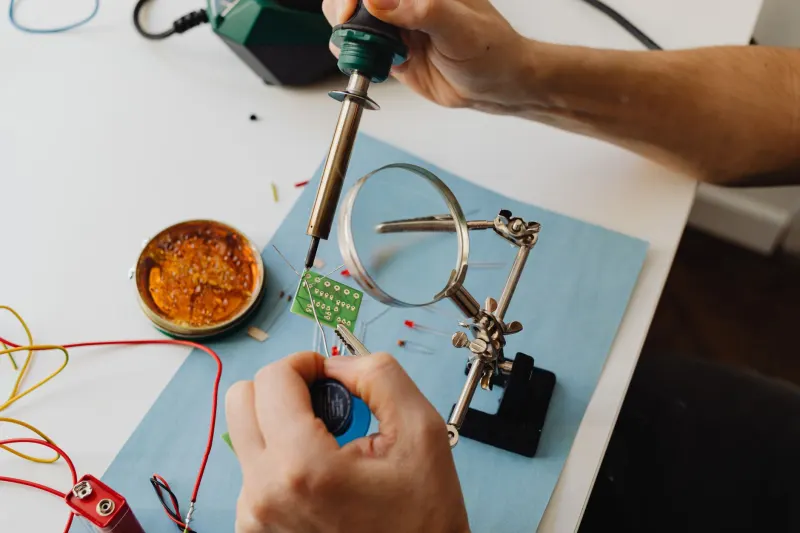
Ultimately, advocates emphasize that the movement is not about shaming consumers into fixing their own devices or forcing everyone to pick up a soldering iron. Instead, true right to repair champions the fundamental liberty to choose—whether an individual prefers paying a local independent shop, utilizing official manufacturer services, purchasing replacement components, or simply buying a brand-new device entirely.




Comments